 Tooter
How to say I love you in Korean
I love you in Korean is 사랑해 (saranghae) with a partner, close friends or family, or 사랑해요 (saranghaeyo) when you want to be polite. The formal form is 사랑합니다 (saranghamnida). Love is 사랑 (sarang), and my love is 내 사랑 (nae sarang).
Practice it with a tutor Learning Korean
- 95.6K likes
- 1.5K comments
- 20.1K shares
 Learning French
- 112.3K likes
- 1.4K comments
- 128.7K shares
 Learning Spanish
- 102.8K likes
- 737 comments
- 22.9K shares
Where do you need Korean?
Pick one to start your plan. It takes about a minute.
Every way to say I love you
Korean leaves out I and you, so 사랑해 on its own is a full sentence.
The most common form. Partners, close friends, siblings, and parents to children.
Polite. Children to parents, idols to fans, or a sweet softer version between couples.
Formal. Speeches, letters, stage greetings to an audience.
너무 once meant only too much. Today it also means so or very, and couples and parents say this all the time.
정말 means really. Sincere, for a moment when you want it to land.
많이 means a lot. Warm and common with partners and family.
Softer than 사랑해. The usual way to confess to a crush, and common early in dating.
A playful spelling of 사랑해요, used in texts and aegyo. Only with someone close.
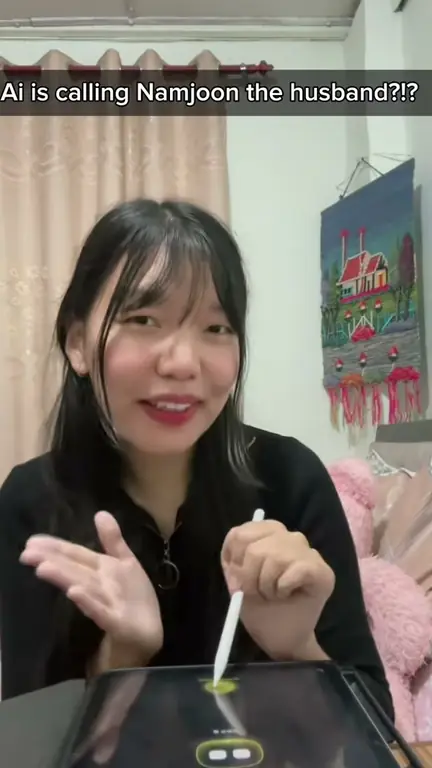
Learners film their Tooter practice
Real videos from Tooter creators practicing with their tutor. Public TikTok counts, October 26, 2026.
 Learning Korean
- 3K likes
- 68 comments
- 412 shares
 Learning Korean
- 9.3K likes
- 124 comments
- 912 shares
 Learning Korean
- 3.2K likes
- 44 comments
- 367 shares
 Learning German
- 26.9K likes
- 694 comments
- 3.9K shares
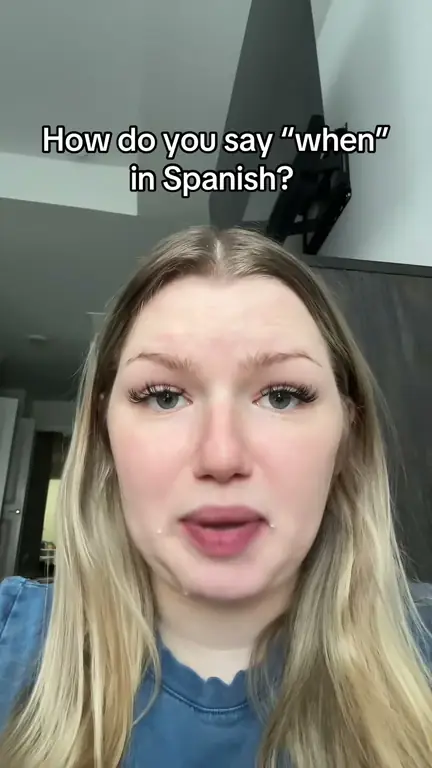 Learning Spanish
- 1.5K likes
- 31 comments
- 526 shares
 Learning Spanish
- 777 likes
- 26 comments
- 201 shares
Which I love you should you use?
Choose by who you're talking to. The ending sets the politeness, and words like 너무 and 정말 add feeling.
| Korean | Romanization | Level | Say it to |
|---|---|---|---|
| 사랑해 | saranghae | Casual | Partner, close family |
| 사랑해요 | saranghaeyo | Polite | Parents, grandparents |
| 사랑합니다 | saranghamnida | Formal | Speeches, letters, crowds |
| 너무 사랑해 | neomu saranghae | Casual | Partner, your kids |
| 정말 사랑해 | jeongmal saranghae | Casual | Partner, serious moments |
| 좋아해 | joahae | Casual | A crush, early dating |
| 좋아해요 | joahaeyo | Polite | A crush you're polite with |
| 사랑해용 | saranghaeyong | Playful | Texts to someone close |
Saying it at the end of a date
A couple says good night on the phone.
Love, my love and how to reply
사랑 is the word for love. Couples rarely call each other 내 사랑 in daily life; pet names like 자기야 are more common.
- 사랑sarangLove (noun)
The verb to love is 사랑하다 (saranghada).
- 내 사랑nae sarangMy love
Sweet and a bit dramatic. Common in songs and texts.
- 자기야jagiyaHoney / Babe
A common pet name between couples, dating or married. Both partners use it.
- 여보yeoboHoney / Dear
Mostly used between married couples.
- casual나도 사랑해nado saranghaeI love you too
The usual reply with a partner, a close friend or a sibling.
- polite저도 사랑해요jeodo saranghaeyoI love you too
The polite reply, for parents, grandparents or older relatives. 저 is the humble word for I.
- polite좋아해요joahaeyoI like you
A gentle confession to someone you speak politely with.
- casual보고 싶어bogo sipeoI miss you
A common, softer way to show love.
Pick the best reply
Someone tells you how they feel. Say each reply out loud, then pick the one that fits. Every reply is correct Korean; some just don't fit the moment.
How to pronounce 사랑해
Three beats: sa-rang-hae
Keep the syllables even. 해 sounds close to "heh", not "high".
A light, quick r
The ㄹ between vowels is a quick tap of the tongue, like the tt in American "butter". It sits between an English r and l.
Let the h soften
In natural speech the ㅎ in 해 gets very light, so 사랑해 can sound like sarang-ae. Both are understood.
Match the person
Add 요 (사랑해요) for parents and grandparents. Don't say it to coworkers or new acquaintances; it's for partners, family and close friends.
Say it out loud with a Korean tutor
Lifelike AI tutors play the other person and correct you as you speak. Pick one to start.
 Minjiconversation-firstPractice with Minji
 Hanatravel-focusedPractice with Hana
 Jisooculture-richPractice with Jisoo
 Yunaconfidence-buildingPractice with Yuna
 Soranatural correctionPractice with Sora
 Jiwoofluency-drivenPractice with Jiwoo
 Nariscenario-ledPractice with Nari
 Sujinrhythm-awarePractice with Sujin
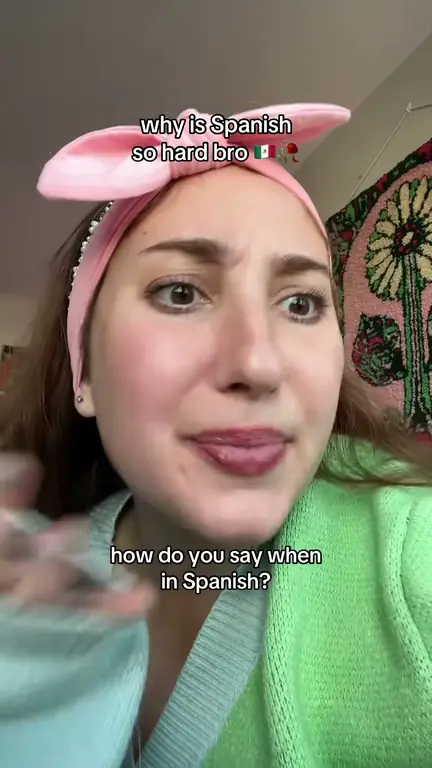 @learningwith.emma
 @learningwith.michelle
Questions learners ask
What does saranghae mean and how do you pronounce it?
사랑해 (saranghae) means I love you. It comes from 사랑 (sarang), love, plus 해, a casual form of to do. Say sa-rang-heh in three even beats. On Tooter, an AI tutor speaks Seoul Korean and corrects your pronunciation as you speak.
How do you say I love you too in Korean?
The usual reply to saranghae is 나도 사랑해 (nado saranghae). 나도 means me too. With parents, grandparents or older relatives, say 저도 사랑해요 (jeodo saranghaeyo).
Do Koreans actually say saranghae?
Yes. Couples say it often, in person and in texts, and some parents and children end calls with it. Older couples may say it less often and show it in other ways.
What is the difference between 사랑해 and 좋아해?
사랑해 (saranghae) means I love you, and 좋아해 (joahae) means I like you. 좋아해 is softer, so it's the usual first confession to a crush. Couples tend to move to 사랑해 as the relationship gets serious.
How do you say love in Korean?
The noun love is 사랑 (sarang). To love is 사랑하다 (saranghada), and I love you is 사랑해 (saranghae).
How do you say my love in Korean?
My love is 내 사랑 (nae sarang). In daily life, couples more often call each other 자기야 (jagiya), honey.
How do you say I love you cutely in Korean?
Write or say 사랑해용 (saranghaeyong), a playful version of 사랑해요. In person, you can add a finger heart, made by crossing the thumb and index finger.
Why do Koreans say "imnida" so often?
-ㅂ니다 (-mnida) is the formal verb ending, so 사랑합니다 (saranghamnida) is the formal I love you, heard in speeches and when idols address fans. 입니다 (imnida) is that same ending on 이다, to be, so it means is or am.
Say 사랑해 out loud with a tutor.
Answer a few quick questions, then practice out loud with a tutor.
By the Tooter Editorial Team. Updated November 5, 2026. Tooter tutors are AI characters, not human teachers. Romanization follows Revised Romanization.