 Tooter
Father, mother and family words in Korean
Father in Korean is 아버지 (abeoji), and dad is 아빠 (appa). Mother is 어머니 (eomeoni), and mom is 엄마 (eomma). Use the first pair in polite speech and the second at home, the way English uses father and dad.
Practice it with a tutor Learning Korean
- 95.6K likes
- 1.5K comments
- 20.1K shares
 Learning French
- 112.3K likes
- 1.4K comments
- 128.7K shares
 Learning Spanish
- 102.8K likes
- 737 comments
- 22.9K shares
Who will you talk about family with?
Pick one to start your plan. It takes about a minute.
Parents and grandparents
| English | Korean | Romanization | Notes |
|---|---|---|---|
| Father | 아버지 | abeoji | Polite. 아버님 (abeonim) is the honorific for someone else's father or a father-in-law. |
| Dad | 아빠 | appa | Casual. What kids, and many adults, call their own father. |
| Mother | 어머니 | eomeoni | Polite. 어머님 (eomeonim) is the honorific form. |
| Mom | 엄마 | eomma | Casual. What most people call their own mother. |
| Parents | 부모님 | bumonim | Polite and respectful. |
| Grandfather | 할아버지 | harabeoji | Also a polite way to address any elderly man. |
| Grandmother | 할머니 | halmeoni | Also a polite way to address any elderly woman. |
| Grandfather (mother's side) | 외할아버지 | oeharabeoji | 외 marks your mother's side of the family. |
| Grandmother (mother's side) | 외할머니 | oehalmeoni | On your father's side, people may add 친 (chin): 친할머니. |
| Family | 가족 | gajok | 우리 가족 (uri gajok) means "my family." |
Learners film their Tooter practice
Real videos from Tooter creators practicing with their tutor. Public TikTok counts, October 26, 2026.
 Learning Korean
- 9.3K likes
- 124 comments
- 912 shares
 Learning Korean
- 3K likes
- 68 comments
- 412 shares
 Learning Korean
- 3.2K likes
- 44 comments
- 367 shares
 Learning German
- 26.9K likes
- 694 comments
- 3.9K shares
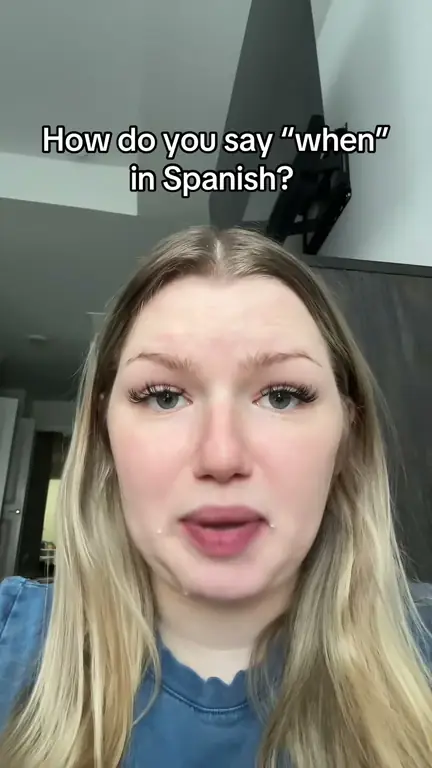 Learning Spanish
- 1.5K likes
- 31 comments
- 526 shares
 Learning Spanish
- 777 likes
- 26 comments
- 201 shares
Brothers and sisters
The word for an older sibling depends on whether the speaker is male or female. Younger siblings are the same for everyone.
| English | Korean | Romanization | Who says it |
|---|---|---|---|
| Older brother | 형 | hyeong | Said by a male |
| Older brother | 오빠 | oppa | Said by a female |
| Older sister | 누나 | nuna | Said by a male |
| Older sister | 언니 | eonni | Said by a female |
| Younger sibling | 동생 | dongsaeng | Anyone |
| Younger brother | 남동생 | namdongsaeng | Anyone |
| Younger sister | 여동생 | yeodongsaeng | Anyone |
| Siblings | 형제자매 | hyeongjejamae | Anyone; literally "brothers and sisters" |
Aunts, uncles and cousins
Korean names each aunt and uncle by which side of the family they are on.
| English | Korean | Romanization | Notes |
|---|---|---|---|
| Aunt (mother's sister) | 이모 | imo | Also a friendly way to call a middle-aged woman, such as a restaurant owner. |
| Aunt (father's sister) | 고모 | gomo | |
| Uncle (mother's brother) | 외삼촌 | oesamchon | Often shortened to 삼촌 in conversation. |
| Uncle (father's younger brother) | 삼촌 | samchon | Mainly while he is unmarried; after marriage, 작은아버지 (jageunabeoji). |
| Uncle (father's older brother) | 큰아버지 | keunabeoji | Literally "big father." |
| Husband of 이모 / 고모 | 이모부 / 고모부 | imobu / gomobu | |
| Cousin | 사촌 | sachon | |
| Nephew or niece | 조카 | joka | Same word for both. |
Spouse, children and in-laws
| English | Korean | Romanization | Notes |
|---|---|---|---|
| Wife | 아내 | anae | Standard. 와이프 (waipeu) is a common casual loanword. |
| Husband | 남편 | nampyeon | |
| Honey, dear (between spouses) | 여보 | yeobo | Used by married couples to call each other. |
| Son | 아들 | adeul | |
| Daughter | 딸 | ttal | |
| Child | 아이 | ai | Often shortened to 애 (ae) in speech. |
| Baby | 아기 | agi | |
| Father-in-law (husband's father) | 시아버지 | siabeoji | Addressed as 아버님 (abeonim). |
| Mother-in-law (husband's mother) | 시어머니 | sieomeoni | Addressed as 어머님 (eomeonim). |
| Father-in-law (wife's father) | 장인 | jangin | Addressed as 장인어른 (jangineoreun) or 아버님 (abeonim). |
| Mother-in-law (wife's mother) | 장모 | jangmo | Addressed as 장모님 (jangmonim) or 어머님 (eomeonim). |
How Koreans use family words
Say "our" family, not "my"
Koreans say 우리 엄마 (uri eomma, our mom) even when talking about their own mother. 내 엄마 (my mom) sounds odd in most situations.
Family words go beyond family
오빠, 언니, 형 and 누나 are used with close friends and coworkers who are a bit older. 이모 and 삼촌 are used for friendly older adults, and 할머니 for any elderly woman.
Add 님 for respect
When talking about someone else's family, or addressing in-laws, add the honorific 님: 아버님, 어머님, 부모님.
Appa and abeoji are both normal
Children and many adults say 아빠 and 엄마. In formal situations, or as adults talking politely about their parents, people switch to 아버지 and 어머니.
Talking about your family
Said by a woman. A man would say 누나가 한 명 있어요.
사세요 is the honorific form of "live," used for parents.
Answer questions about your family
People ask about family early in Korea. Say each reply out loud, then pick the one that fits. Every reply is correct Korean; some just don't fit the moment.
Shadow these family sentences
Listen, record yourself, then play both back. Your recording stays in your browser and isn't scored.
사세요 is the honorific form of live, used for elders.
Your recording stays on this device and isn't scored. In the app, your tutor listens and corrects you as you speak.
Say it out loud with a Korean tutor
Lifelike AI tutors play the other person and correct you as you speak. Pick one to start.
 Minjiconversation-firstPractice with Minji
 Hanatravel-focusedPractice with Hana
 Jisooculture-richPractice with Jisoo
 Yunaconfidence-buildingPractice with Yuna
 Soranatural correctionPractice with Sora
 Jiwoofluency-drivenPractice with Jiwoo
 Nariscenario-ledPractice with Nari
 Sujinrhythm-awarePractice with Sujin
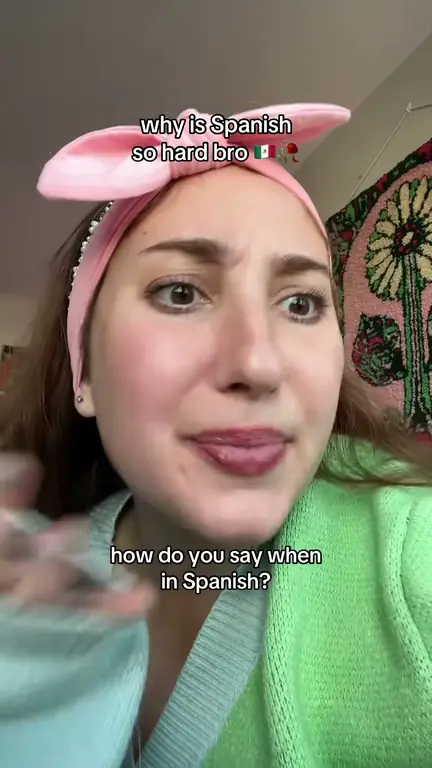 @learningwith.emma
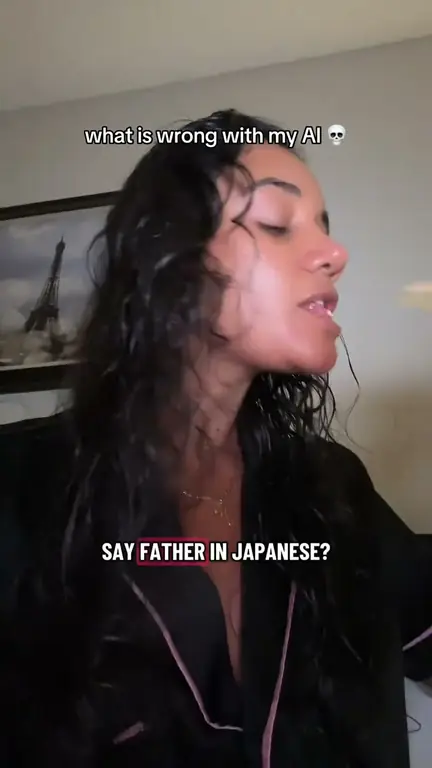 @learningwith.michelle
Questions learners ask
What do you call a father in Korean?
Father is 아버지 (abeoji) and dad is 아빠 (appa). When talking politely about someone else's father, say 아버님 (abeonim).
What is the difference between appa and abeoji?
아빠 (appa) is casual, like "dad." 아버지 (abeoji) is polite, like "father." Many adults still call their own father 아빠 at home and use 아버지 in formal settings.
How do you say mother in Korean?
Mother is 어머니 (eomeoni), and mom is 엄마 (eomma). The honorific 어머님 (eomeonim) is used for someone else's mother or a mother-in-law.
How do you say grandfather and grandmother in Korean?
Grandfather is 할아버지 (harabeoji) and grandmother is 할머니 (halmeoni). For your mother's parents, add 외: 외할아버지 and 외할머니. Talking about your family is a common first conversation with a Tooter tutor, who speaks Seoul Korean and corrects your words as you speak.
How do you say aunt and uncle in Korean?
It depends on the side of the family. Your mother's sister is 이모 (imo) and your father's sister is 고모 (gomo). Your mother's brother is 외삼촌 (oesamchon), and your father's younger brother is 삼촌 (samchon) while he is unmarried.
How do you say older brother in Korean?
It depends on who is speaking. A man says 형 (hyeong) and a woman says 오빠 (oppa), and both words are also used for close older friends. See what oppa means.
How do you say father-in-law in Korean?
A wife's father-in-law is 시아버지 (siabeoji). A husband's father-in-law is 장인 (jangin), addressed as 장인어른 (jangineoreun). Both are usually addressed directly as 아버님 (abeonim).
How do you say wife in Korean?
Wife is 아내 (anae), and husband is 남편 (nampyeon). 와이프 (waipeu) is a common casual loanword, and married couples often call each other 여보 (yeobo).
Talk about your 가족 with a tutor.
Answer a few quick questions, then practice out loud with a tutor.
By the Tooter Editorial Team. Updated November 17, 2026. Tooter tutors are AI characters, not human teachers. Romanization follows Revised Romanization.