 Tooter
Learn French by speaking
The most practical way to learn French is to speak it from the first week: learn a few everyday phrases, say them out loud, and get corrected as you go. French shares thousands of words with English, so most of the work is pronunciation and listening, and short daily practice adds up.
Practice it with a tutor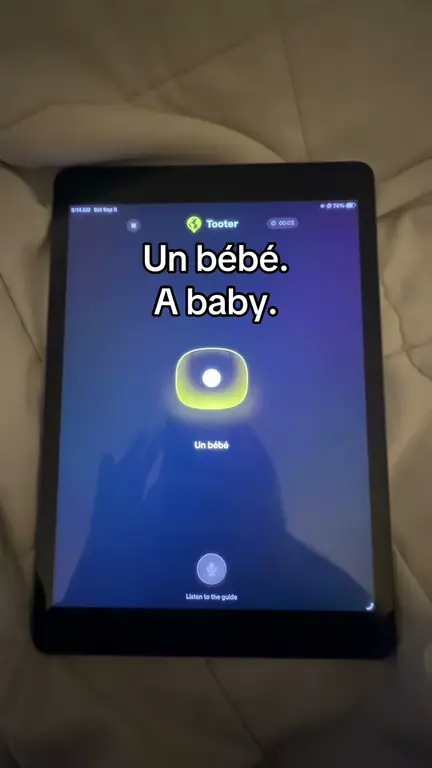 Learning French
- 112.3K likes
- 1.4K comments
- 128.7K shares
 Learning Spanish
- 102.8K likes
- 737 comments
- 22.9K shares
 Learning Korean
- 95.6K likes
- 1.5K comments
- 20.1K shares
Where do you need French?
Pick one to start your plan. It takes about a minute.
Why learn French by speaking
- Hello: Bonjour
French is an official language in more than 25 countries, from France, Belgium and Switzerland to Canada, Haiti and much of West and Central Africa. It is a working language of the United Nations, and in North America you hear it across Quebec.
Many learners can read French long before they can follow it. Written French and spoken French can feel like two different languages: final letters go silent, words run together, and a sentence you know on paper can sound brand new at full speed. The fix is real back-and-forth: hearing a question, finding the words, and answering before the moment passes.
Speaking early also shapes your accent before bad habits set in. French has sounds English doesn't, like the nasal vowels in bon and vin and the r made at the back of the throat in merci. Saying them out loud from day one, and hearing corrections, is much easier than unlearning an English-style accent later.
Learners film their Tooter practice
Real videos from Tooter creators practicing with their tutor. Public TikTok counts, October 26, 2026.
 Learning German
- 26.9K likes
- 694 comments
- 3.9K shares
 Learning Korean
- 9.3K likes
- 124 comments
- 912 shares
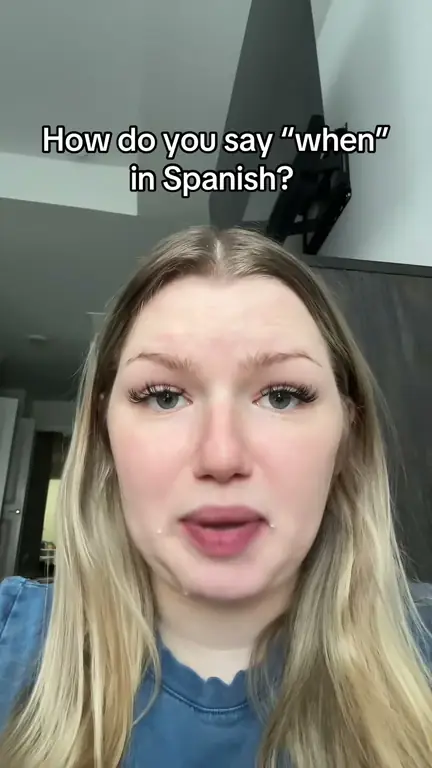 Learning Spanish
- 1.5K likes
- 31 comments
- 526 shares
 Learning Korean
- 3K likes
- 68 comments
- 412 shares
 Learning Korean
- 3.2K likes
- 44 comments
- 367 shares
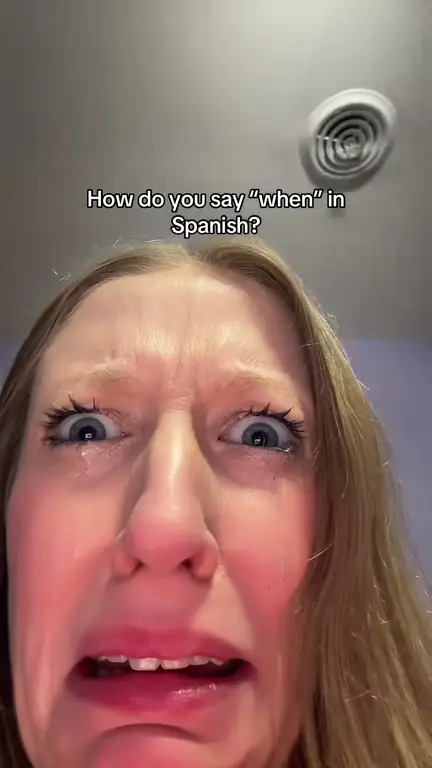 Learning Spanish
- 777 likes
- 26 comments
- 201 shares
Your first five phrases
These five carry most of a first conversation with someone new.
The everyday hello from morning until evening. Say it when you walk into a shop, too.
Literally "I call myself." Je suis... (I'm...) works too.
A woman writes enchantée. Both sound exactly the same.
Merci beaucoup means thank you very much.
Polite enough for anyone, and the most useful phrase a beginner can know.
How Tooter teaches French
French for beginners, built around speaking: short French lessons first, then French speaking practice out loud with an AI tutor.
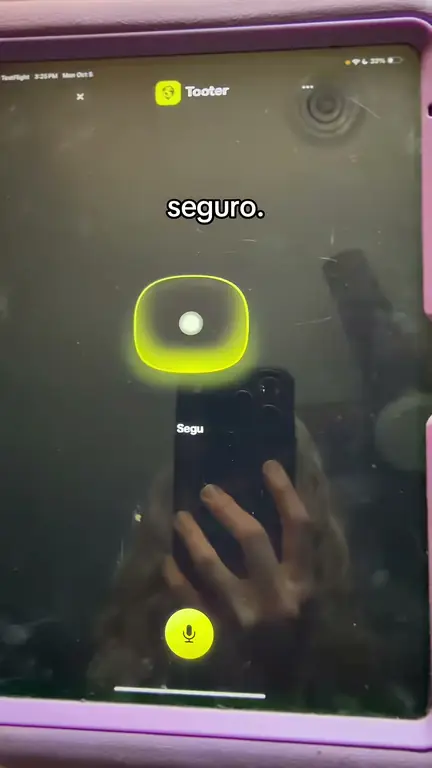 Learning Spanish
- 102.8K likes
- 737 comments
- 22.9K shares
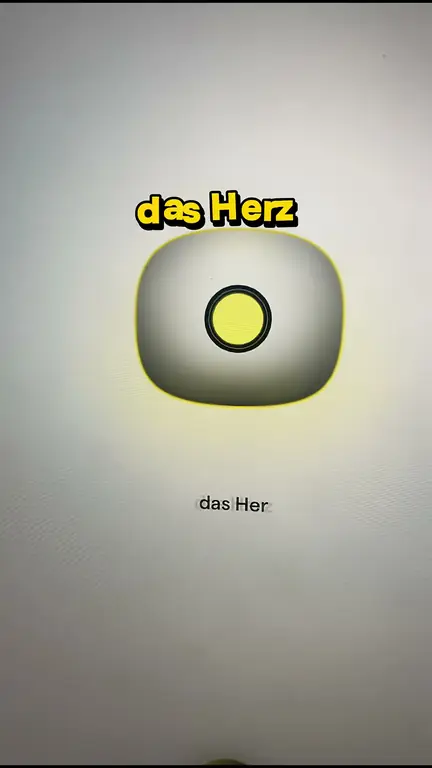 Learning German
- 26.9K likes
- 694 comments
- 3.9K shares
Real Tooter lessons, filmed by learners on TikTok
Speak with AI tutors
Tooter's tutors are lifelike AI characters with voices. They play a waiter, a new friend or a shop owner, so you practice the conversations you will actually have.
Corrections while you speak
The tutor points out pronunciation, grammar and word choice as you talk, and can explain in English when you get stuck.
Guided lessons first
Short chapters with listening, matching, word ordering and dialogue build the phrases you then use with a tutor, in sessions of 5 to 30 minutes.
Tu or vous, and silent letters
French makes you choose between a casual and a polite "you," and many letters are written but never said. You practice both out loud in real situations until the right choice and the right sound come naturally.
What is easy and hard about French
French is closer to English than it looks, with a few real hurdles.
- Easier
Thousands of shared words
Restaurant, question, important: a huge part of English vocabulary came from French.
- Easier
Familiar sentence order
Basic sentences run like English: je parle français, I speak French.
- Takes practice
Spelling and sound
Many final letters are silent, so parle, parles and parlent all sound the same.
- Takes practice
New sounds and gender
Nasal vowels and the French r are new, and every noun is masculine or feminine.
French phrases, words and guides
Tap a bubble for the phrase, its audio and how to use it.
Say it out loud with a French tutor
Lifelike AI tutors play the other person and correct you as you speak. Pick one to start.
 Camilleculture-richPractice with Camille
 Amelieconfidence-buildingPractice with Amelie
 Leanatural correctionPractice with Lea
 Manonfluency-drivenPractice with Manon
 Clarascenario-ledPractice with Clara
 Inesrhythm-awarePractice with Ines
 Julietteconversation-firstPractice with Juliette
 Noemietravel-focusedPractice with Noemie
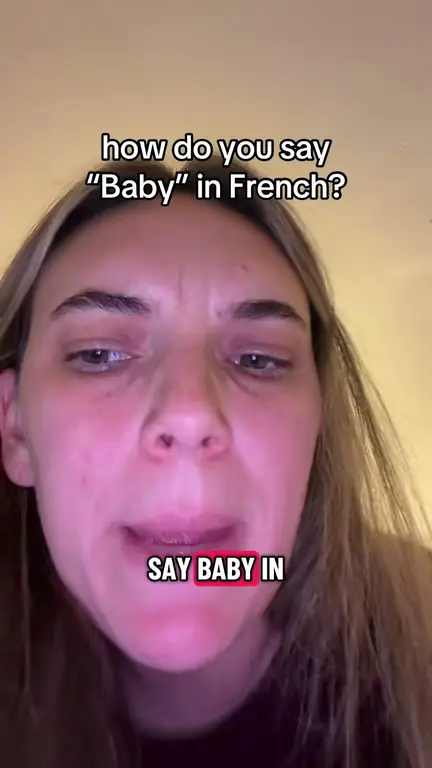 @liv.slowlyfluent
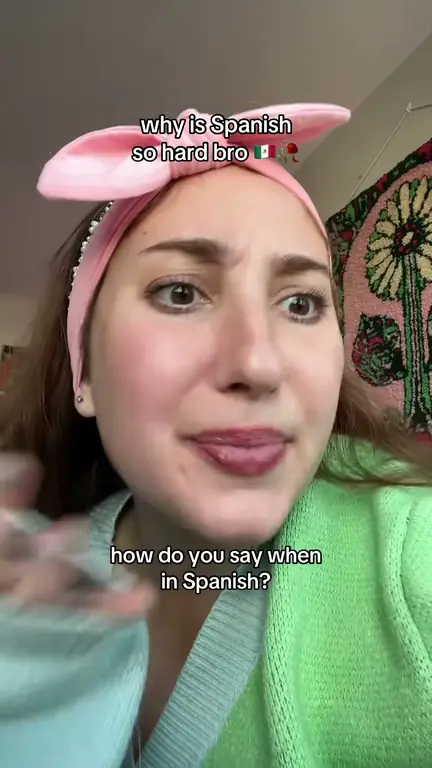 @learningwith.emma
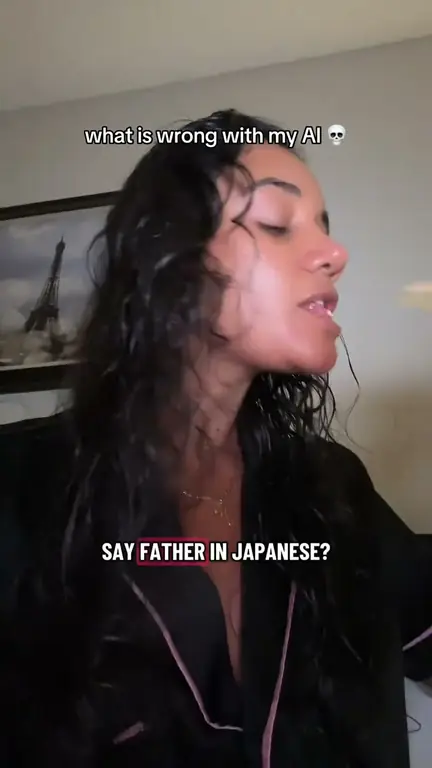 @learningwith.michelle
Questions learners ask
How long does it take to learn French?
It depends on your goal and how often you practice. With short daily practice you can usually handle simple everyday conversations, like greetings, ordering food and talking about yourself, within a few months. Comfortable fluency takes years for most people.
Is French hard for English speakers?
It is one of the easier languages for English speakers: it uses the same alphabet and shares thousands of words with English. The US Foreign Service Institute puts French in its easiest group of languages for English speakers. The hard parts are pronunciation, silent letters and noun gender.
Can I learn French for free?
You can get far with free habits: listening to French podcasts and music, watching shows with French subtitles, reading simple texts and repeating audio out loud (shadowing). What free resources rarely give you is someone who listens and corrects you, so add speaking practice with a partner or a tutor.
What is the best way to practice speaking French?
Talk out loud every day in short, realistic situations, like ordering coffee or introducing yourself, and get feedback on what you say. With Tooter you can practice with an AI tutor that plays a waiter or a new friend and corrects you as you speak.
What is the best app to learn French?
The best app is one that makes you speak, not only tap. Look for out-loud practice in real situations, feedback on your pronunciation, and lessons short enough that you keep doing them every day.
Can you learn French online?
Yes. Online lessons, audio and video cover vocabulary and listening well. Make sure you also speak out loud regularly, with an online tutor, a language exchange partner or an AI tutor, because reading and listening alone won't make you comfortable in a real conversation.
Should I learn French from France or Quebec French?
Learn the French you will use most. Most courses teach the standard French of France, and Quebec French differs mainly in accent, some everyday words and informal expressions. Speakers from both sides understand each other.
What is the difference between tu and vous?
Both mean you. Tu is for friends, family, children and people your age in casual settings. Vous is for strangers, older people and work, and it is also the plural you. When in doubt, use vous until the other person switches to tu.
Have your first French chat today.
Answer a few quick questions, then practice out loud with a tutor.
Updated October 27, 2026. Tooter tutors are AI characters, not human teachers.