 Tooter
Learn German by speaking
The most practical way to learn German is to speak it from the first week: learn a few useful phrases, say them out loud, and get corrected as you go. German shares many words with English, so you can start talking sooner than its reputation suggests.
Practice it with a tutor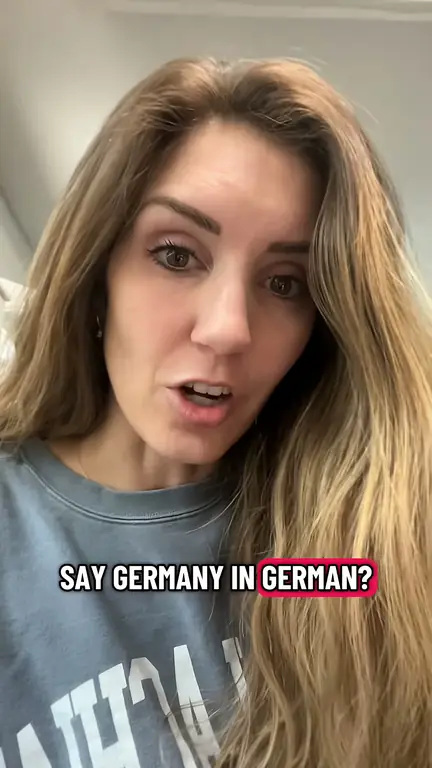 Learning German
- 26.9K likes
- 694 comments
- 3.9K shares
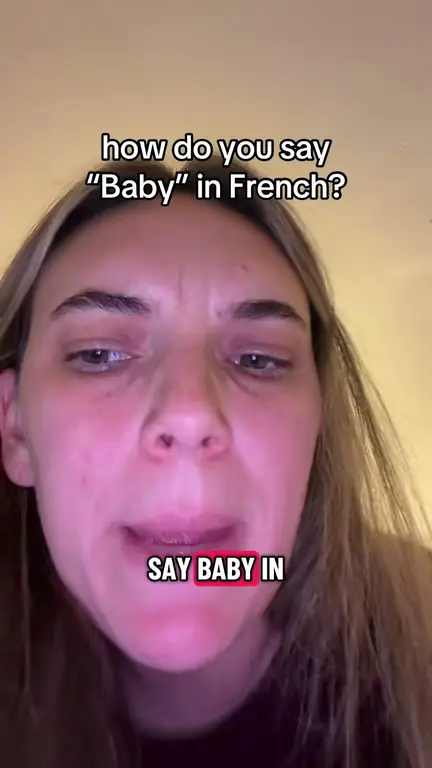 Learning French
- 112.3K likes
- 1.4K comments
- 128.7K shares
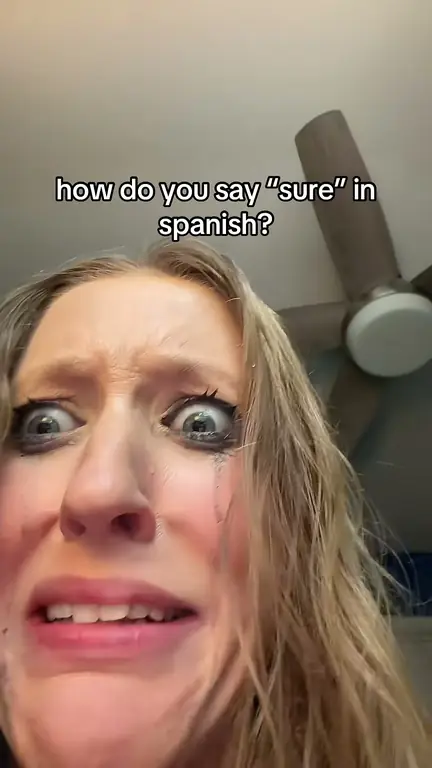 Learning Spanish
- 102.8K likes
- 737 comments
- 22.9K shares
Where do you need German?
Pick one to start your plan. It takes about a minute.
Why learn German by speaking
- Hello: Hallo
German is the most widely spoken native language in the European Union and an official language in Germany, Austria and Switzerland. You hear it on trips, at work in fields like engineering and science, and in the many American families with German roots.
German has a reputation for long words and hard grammar, and many learners spend months on tables of endings before they say a full sentence. Grammar sticks faster when you use it to say something real. Introducing yourself or ordering a coffee gives you real back-and-forth, and the endings start to come with the words.
Speaking early also sets your pronunciation before bad habits form. German spelling is very consistent, so once you can say ü, ö, ch and the German r clearly, you can read most words aloud correctly.
Learners film their Tooter practice
Real videos from Tooter creators practicing with their tutor. Public TikTok counts, October 26, 2026.
 Learning Korean
- 95.6K likes
- 1.5K comments
- 20.1K shares
 Learning Korean
- 9.3K likes
- 124 comments
- 912 shares
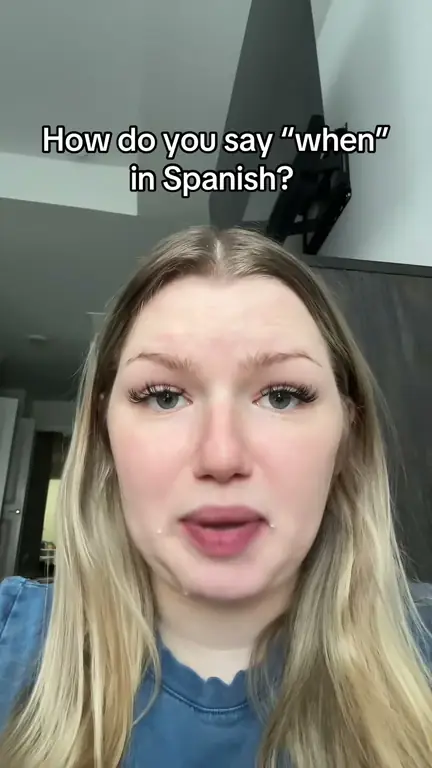 Learning Spanish
- 1.5K likes
- 31 comments
- 526 shares
 Learning Korean
- 3K likes
- 68 comments
- 412 shares
 Learning Korean
- 3.2K likes
- 44 comments
- 367 shares
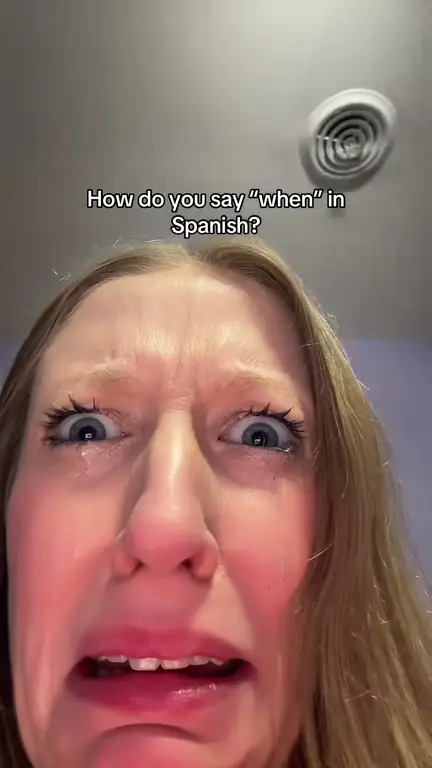 Learning Spanish
- 777 likes
- 26 comments
- 201 shares
Your first five phrases
These five carry most of a first conversation with someone new.
Works with almost anyone, any time of day: HAH-loh.
Literally "I am called." Ich bin... (I'm...) works too.
Short for Es freut mich. A common reply is Gleichfalls (Likewise).
Danke schön means thank you very much.
Polite enough for anyone. With a friend: Kannst du das wiederholen?
How Tooter teaches German
Learn German online or on your iPhone: short German lessons first, then out-loud practice with an AI tutor.
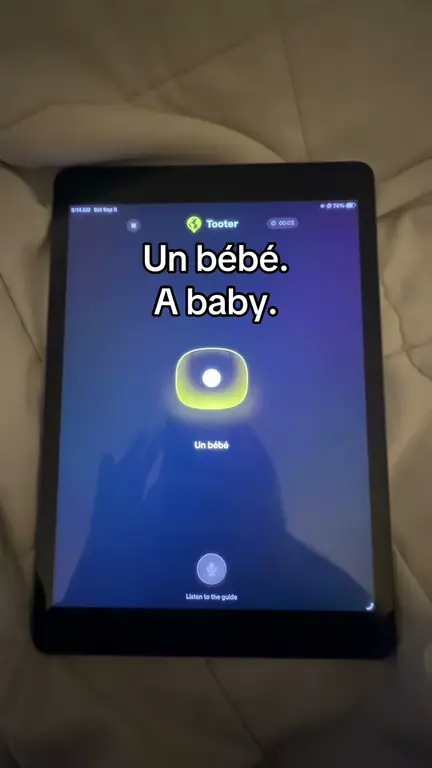 Learning French
- 112.3K likes
- 1.4K comments
- 128.7K shares
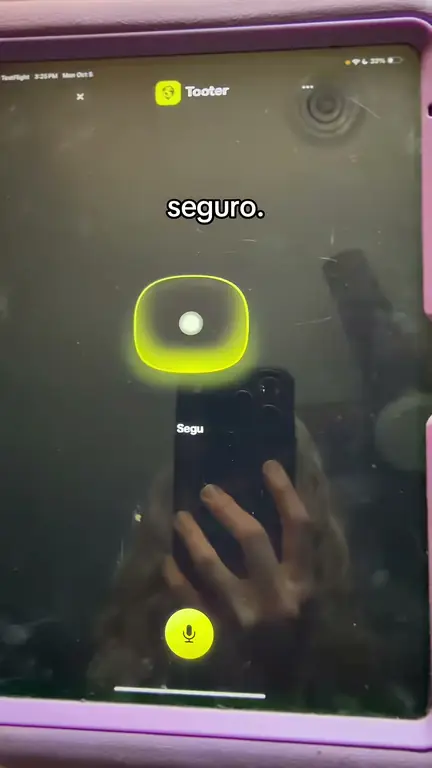 Learning Spanish
- 102.8K likes
- 737 comments
- 22.9K shares
Real Tooter lessons, filmed by learners on TikTok
Speak with AI tutors
Tooter's tutors are lifelike AI characters with voices. They play a waiter, a new friend or a shop owner, so you practice the conversations you will actually have.
Corrections while you speak
The tutor points out pronunciation, grammar and word choice as you talk, and can explain in English when you get stuck.
Guided lessons first
Short chapters with listening, matching, word ordering and dialogue build the phrases you then use with a tutor, in sessions of 5 to 30 minutes.
Du or Sie, der or den
German makes you choose between a casual and a polite "you," and changes words like "the" depending on their role in the sentence. You practice both in real situations until the right form comes out on its own.
What is easy and hard about German
German is a close cousin of English, with a few real hurdles.
- Easier
Thousands of shared words
Haus, Buch, Hand, Name, Finger: many everyday words look and sound close to English.
- Easier
Spelling you can trust
Once you know the rules, words are pronounced the way they are written.
- Takes practice
Genders and cases
Every noun is der, die or das, and the endings change with its role in the sentence.
- Takes practice
Word order
Verbs often move to the end: Ich weiß, dass du heute kommst (I know that you're coming today).
German phrases, words and guides
Tap a bubble for the phrase, its audio and how to use it.
Say it out loud with a German tutor
Lifelike AI tutors play the other person and correct you as you speak. Pick one to start.
 Lenaconfidence-buildingPractice with Lena
 Annanatural correctionPractice with Anna
 Clarafluency-drivenPractice with Clara
 Miascenario-ledPractice with Mia
 Gretarhythm-awarePractice with Greta
 Lotteconversation-firstPractice with Lotte
 Hannahtravel-focusedPractice with Hannah
 Lukasscenario-ledPractice with Lukas
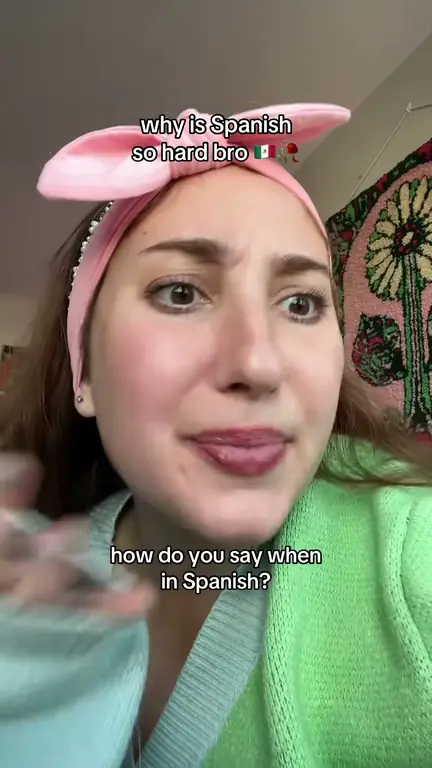 @learningwith.emma
 @learningwith.michelle
Questions learners ask
What's the easiest way to learn German?
Learn common phrases first, listen to German every day, and speak German out loud from the start with a partner, a tutor or an AI tutor. Learn every noun together with its article (der Tisch, die Tür, das Fenster) so you never have to go back and memorize genders later.
Is German hard for English speakers?
German is closely related to English, so much of the basic vocabulary feels familiar. The hard parts are grammar: three genders, four cases and verbs that move to the end of the sentence. The US Foreign Service Institute rates it a step harder than Spanish or French for English speakers.
How do Germans say "OK"?
Germans say okay too. Very common German options are alles klar (all clear, got it), in Ordnung (all right) and geht klar (sure, will do). In southern Germany and Austria you'll also hear passt (that works).
What are A1, A2, B1, B2, C1 and C2 in German?
They are the six levels of the Common European Framework of Reference (CEFR), used by German courses and exams such as those from the Goethe-Institut. A1 and A2 are beginner, B1 and B2 intermediate, and C1 and C2 advanced. German citizenship, for example, generally requires B1.
What is the 80/20 rule in German?
It is the idea that a small set of very common words and phrases covers most everyday conversation. In practice it means learning high-frequency words like sein (to be), haben (to have), können (can), gehen (to go) and machen (to do, to make) before rare vocabulary.
Can I learn German to C1 in 3 months?
For most learners starting from zero, no. C1 is an advanced level that usually takes years of study and use. With daily practice, three months can get you to simple, useful conversations about yourself, your day and your travel needs.
When do you use du and Sie?
Use Sie with strangers, shop and office staff and older people you don't know. Use du with friends, family, children and most people your age in casual settings. If you're unsure, start with Sie and switch when the other person offers du.
What is the best app to learn German?
The best app to learn German is one that makes you speak, not only tap. A German language app is great for daily vocabulary and listening, but you also need to talk out loud and get feedback. Look for one built around real situations, such as Tooter, where an AI tutor corrects you as you speak.
Have your first German chat today.
Answer a few quick questions, then practice out loud with a tutor.
Updated October 27, 2026. Tooter tutors are AI characters, not human teachers.