 Tooter
What does oppa mean?
Oppa (오빠) literally means older brother, and in everyday Korean it is what a woman calls her older brother, an older male friend or often her boyfriend. Only women and girls say it. Men call an older man 형 (hyeong, often spelled hyung).
Practice it with a tutor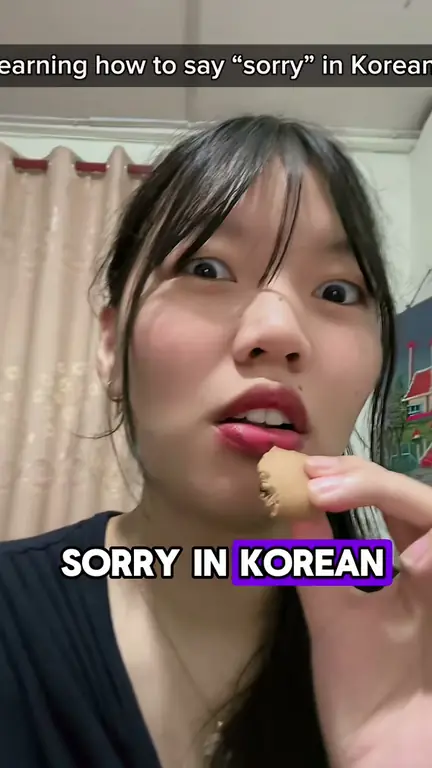 Learning Korean
- 95.6K likes
- 1.5K comments
- 20.1K shares
 Learning French
- 112.3K likes
- 1.4K comments
- 128.7K shares
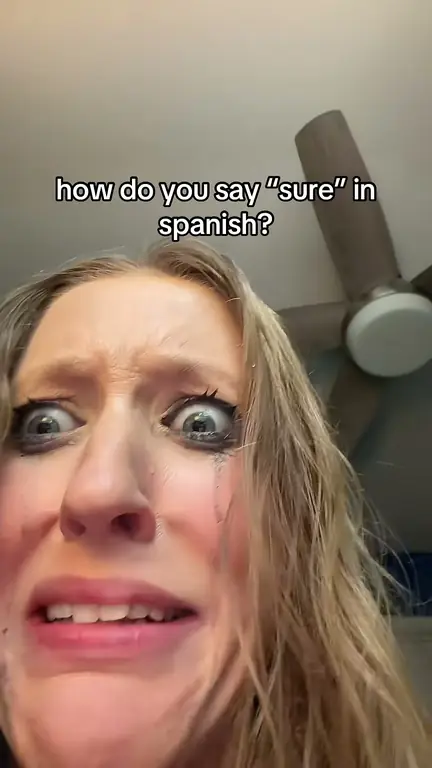 Learning Spanish
- 102.8K likes
- 737 comments
- 22.9K shares
Where do you need Korean?
Pick one to start your plan. It takes about a minute.
What oppa means
- Older brother: 오빠 (oppa)
오빠 (oppa) is a family word: it is what a girl or woman calls her older brother. Korean has different words for older siblings depending on who is speaking. A woman says 오빠 for an older brother and 언니 (eonni) for an older sister. A man says 형 (hyeong) and 누나 (nuna).
Koreans use family words for people outside the family too. A woman will call a male friend who is a few years older 오빠, often after his name, like 민수 오빠. It signals closeness and respects the age gap, which matters a lot in Korean.
Many couples are a man who is a bit older and a woman who is younger, so oppa is also a common, affectionate way for a woman to address her boyfriend. That is where the romantic feel in K-dramas and K-pop fan culture comes from, where fans call idols oppa. The word itself still just means older brother.
Learners film their Tooter practice
Real videos from Tooter creators practicing with their tutor. Public TikTok counts, October 26, 2026.
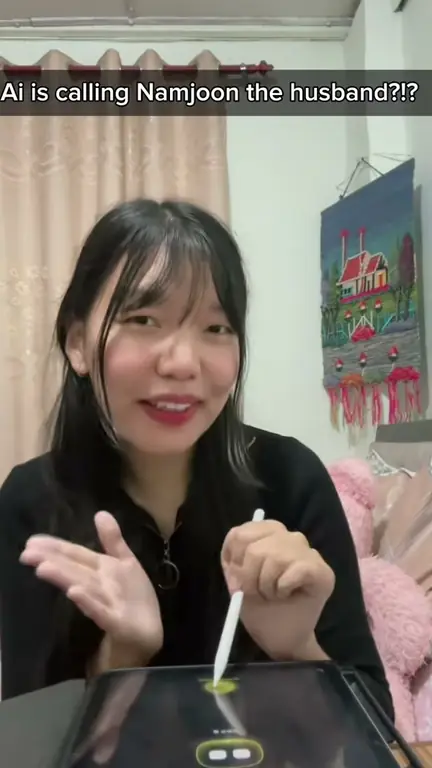 Learning Korean
- 9.3K likes
- 124 comments
- 912 shares
 Learning Korean
- 3K likes
- 68 comments
- 412 shares
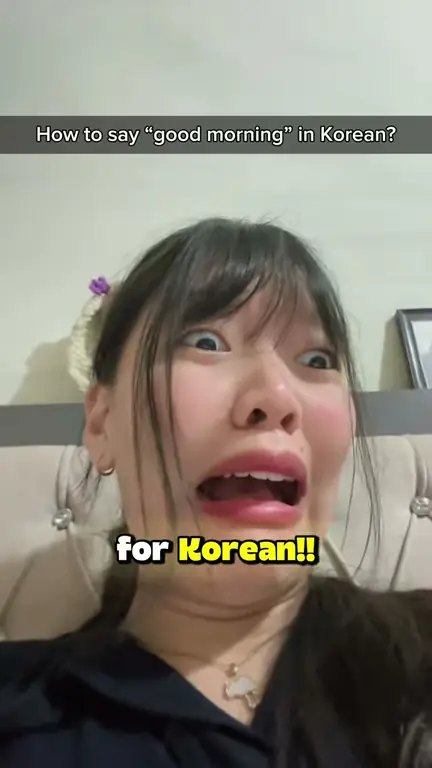 Learning Korean
- 3.2K likes
- 44 comments
- 367 shares
 Learning German
- 26.9K likes
- 694 comments
- 3.9K shares
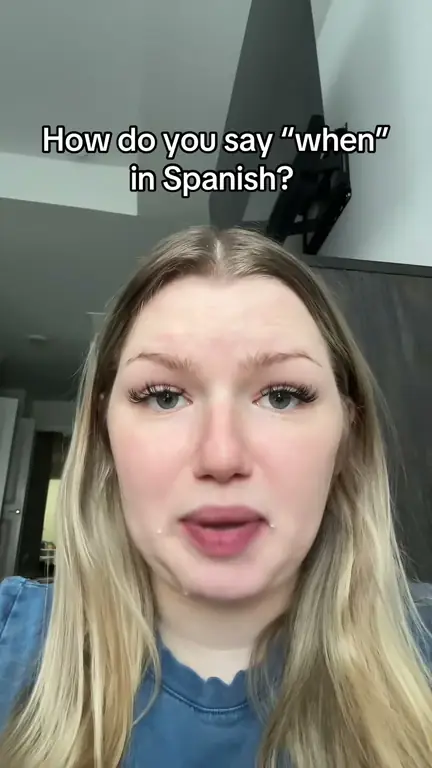 Learning Spanish
- 1.5K likes
- 31 comments
- 526 shares
 Learning Spanish
- 777 likes
- 26 comments
- 201 shares
How to use oppa
Koreans say 우리 (our) for their own family.
The usual way to move from formal to friendly.
Who says oppa to whom
Only women say it
The speaker must be female. A man calls an older man 형 (hyeong), never oppa.
Only to someone older
Even a one-year age gap counts. Koreans often ask your age early on partly to know which word to use.
It needs some closeness
Don't call a stranger or a waiter oppa. Use 저기요 (jeogiyo), excuse me. With a new acquaintance, wait until you're friends, or ask first.
Tone changes the feel
Said plainly, oppa is everyday and friendly. Stretched out in a sweet voice, it can sound flirty or like aegyo, Korean cute talk.
Oppa, hyung, unnie and noona
Which word you use depends on your gender and the other person's.
| Korean | Romanization | Means | Who says it |
|---|---|---|---|
| 오빠 | oppa | Older brother or friend | A woman or girl |
| 형 | hyeong (hyung) | Older brother or friend | A man or boy |
| 언니 | eonni (unnie) | Older sister or friend | A woman or girl |
| 누나 | nuna (noona) | Older sister or friend | A man or boy |
| 동생 | dongsaeng | Younger sibling or friend | Anyone |
When a new friend becomes oppa
You're a woman meeting Minho, a friend of a friend, in Seoul. You find out he's two years older, so you ask if you can call him oppa.
Say it out loud with a Korean tutor
Lifelike AI tutors play the other person and correct you as you speak. Pick one to start.
 Minjiconversation-firstPractice with Minji
 Hanatravel-focusedPractice with Hana
 Jisooculture-richPractice with Jisoo
 Yunaconfidence-buildingPractice with Yuna
 Soranatural correctionPractice with Sora
 Jiwoofluency-drivenPractice with Jiwoo
 Nariscenario-ledPractice with Nari
 Sujinrhythm-awarePractice with Sujin
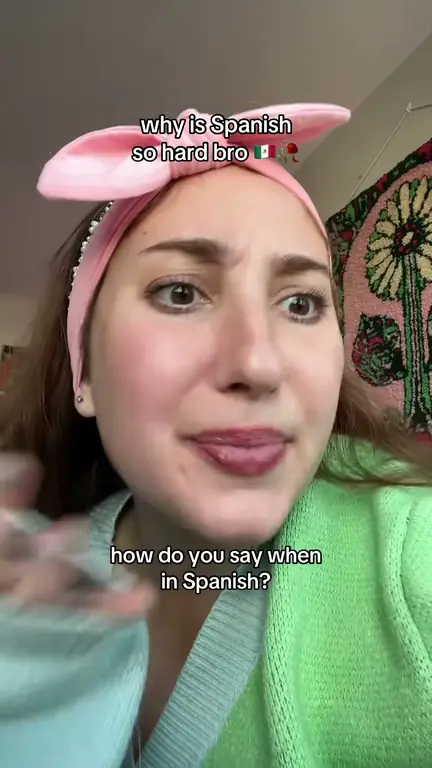 @learningwith.emma
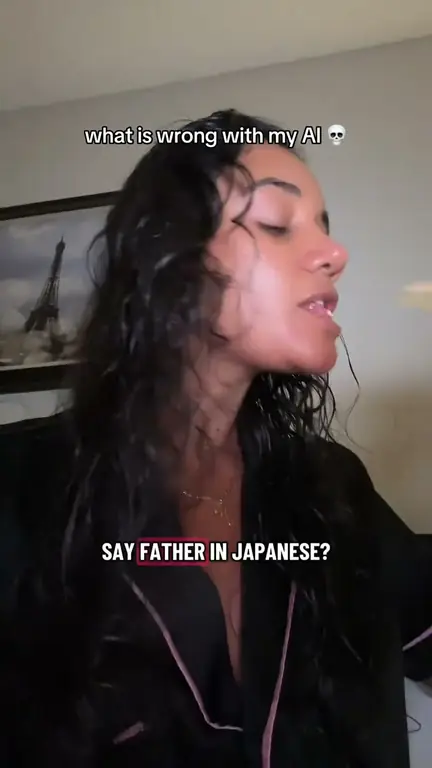 @learningwith.michelle
Questions learners ask
What does oppa mean in Korean?
Oppa (오빠) means older brother, said by a woman or girl. Women also use it for older male friends and, often, for a boyfriend who is older.
Why do Korean girls call their boyfriend oppa?
In many couples the man is a little older, so the woman already called him oppa as a friend. It stays as an affectionate name in the relationship. It doesn't mean boyfriend on its own.
Is oppa flirty?
Not by itself. Women say oppa to brothers, cousins and friends every day. A sweet, drawn-out 오빠~ can sound flirty, so tone and context decide.
Is oppa like daddy?
No. Oppa means older brother, nothing parental. Dad is 아빠 (appa), a different word that only looks similar in English spelling.
Can men say oppa?
Not in standard use. A man calls an older man 형 (hyeong, often spelled hyung). Tooter's AI tutors speak Seoul Korean and can role-play a group of friends, so you can practice which word fits whom.
Can I say oppa to a girl?
No. Oppa is only for males. A woman calls an older woman 언니 (eonni), and a man calls an older woman 누나 (nuna).
Is it unnie or noona?
It depends on who is speaking. Women say 언니 (eonni, often spelled unnie) to an older woman, and men say 누나 (nuna, often spelled noona).
How do you write oppa in Korean?
Oppa is written 오빠: the vowel ㅗ (o), then the tense consonant ㅃ (pp) with ㅏ (a). You can learn every letter in the Korean alphabet guide.
Try 오빠 and 언니 in a real chat.
Answer a few quick questions, then practice out loud with a tutor.
By the Tooter Editorial Team. Updated November 13, 2026. Tooter tutors are AI characters, not human teachers. Romanization follows Revised Romanization.