 Tooter
Learn Korean by speaking
To learn Korean you can actually use, read Hangul first, learn a handful of polite phrases like 안녕하세요 (annyeonghaseyo), and say them out loud in short conversations from your first week. Speaking early trains your ear, your mouth and the politeness levels all at once.
Practice it with a tutor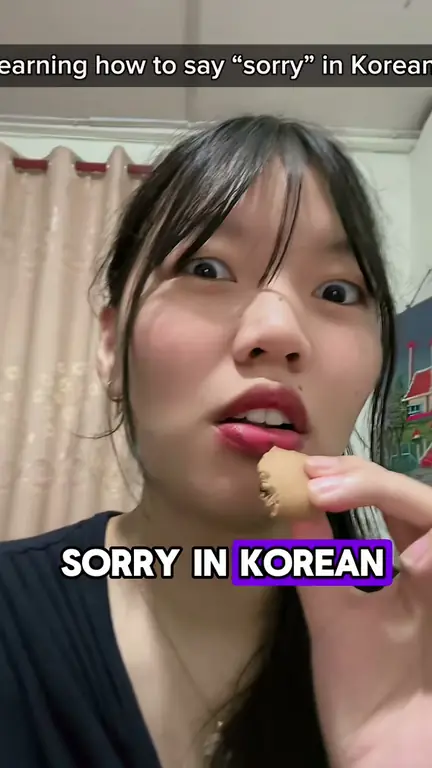 Learning Korean
- 95.6K likes
- 1.5K comments
- 20.1K shares
 Learning French
- 112.3K likes
- 1.4K comments
- 128.7K shares
 Learning Spanish
- 102.8K likes
- 737 comments
- 22.9K shares
Where do you need Korean?
Pick one to start your plan. It takes about a minute.
Why learn Korean by speaking
- Hello: 안녕하세요 (annyeonghaseyo)
Most people who study Korean can read a few words long before they can say a full sentence to a real person. The gap is practice, not talent. Korean sounds like ㅓ (eo) and the difference between ㄱ, ㅋ and ㄲ only settle in once you have said them out loud many times and heard someone respond.
Speaking also forces you to deal with the part of Korean that textbooks can only describe: choosing how polite to be. Every sentence ends differently depending on who you are talking to. You learn that much faster by talking to a shop owner, a new friend or a coworker than by reading a chart about it.
You do not need to wait until you feel ready. A few phrases, some patience with mistakes and five to fifteen minutes of talking a day will take you further than hours of silent review.
Learners film their Tooter practice
Real videos from Tooter creators practicing with their tutor. Public TikTok counts, October 26, 2026.
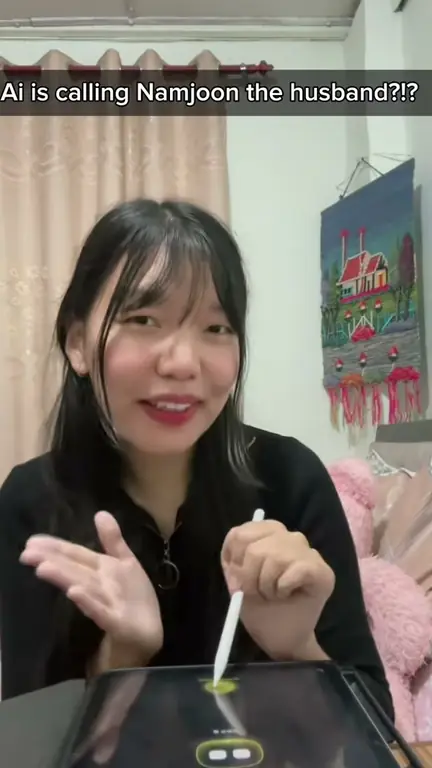 Learning Korean
- 9.3K likes
- 124 comments
- 912 shares
 Learning Korean
- 3K likes
- 68 comments
- 412 shares
 Learning Korean
- 3.2K likes
- 44 comments
- 367 shares
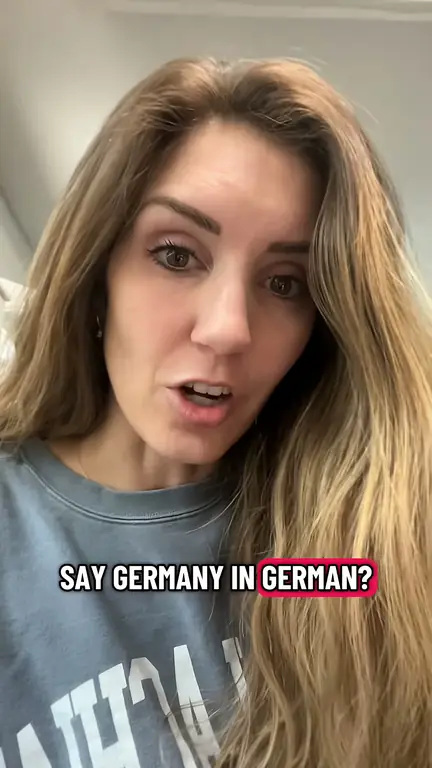 Learning German
- 26.9K likes
- 694 comments
- 3.9K shares
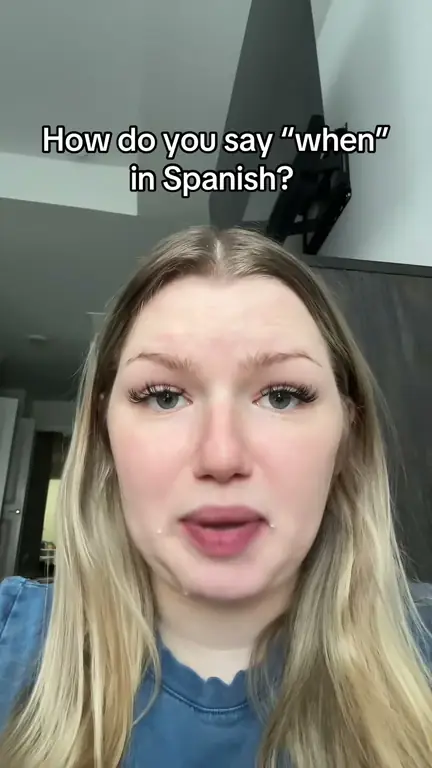 Learning Spanish
- 1.5K likes
- 31 comments
- 526 shares
 Learning Spanish
- 777 likes
- 26 comments
- 201 shares
Your first five phrases
These are polite enough for anyone you meet. Say each one out loud a few times.
Works with almost anyone, any time of day.
The safe thank you for staff, strangers and older people.
Put your name in place of 샘. Use 이에요 after a consonant and 예요 after a vowel (저는 민지예요).
Point at a menu item or product and say it. Works almost everywhere.
Your best friend as a beginner. Nobody minds hearing it.
How Tooter teaches Korean
Learn Korean online or on your iPhone: short Korean lessons first, then conversation practice out loud with an AI tutor.
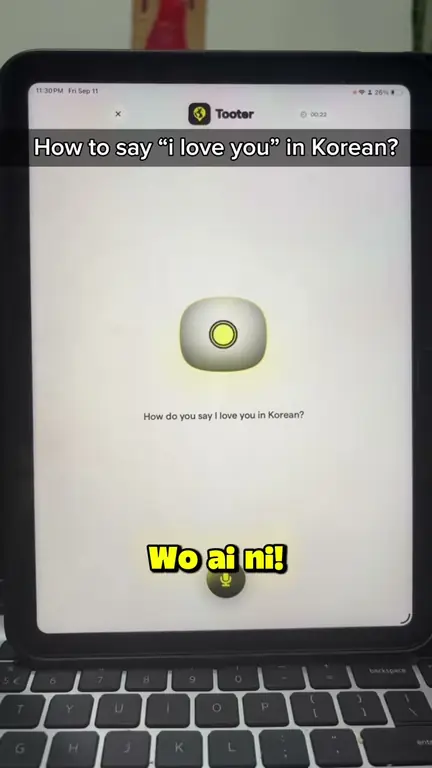 Learning Korean
- 3K likes
- 68 comments
- 412 shares
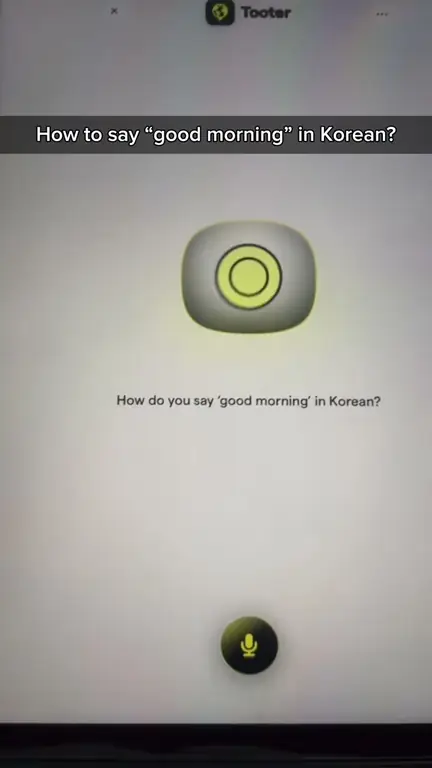 Learning Korean
- 3.2K likes
- 44 comments
- 367 shares
Real Tooter lessons, filmed by learners on TikTok
Lifelike AI tutors
You talk out loud with AI tutors who play real roles, like a cafe server in Seoul or a new friend at a language exchange. Each one has a face and a voice, so it feels like a conversation, not a quiz.
Corrections while you speak
Your tutor points out pronunciation, grammar and word choice as you go, then lets you try again. You can ask for explanations in English when something is unclear.
Guided lessons
Short chapters with listening, translation, word ordering, matching and dialogue build the phrases you need before you use them with a tutor.
Politeness levels in practice
Korean changes with the person in front of you. Tutors play people of different ages and roles, so you practice switching between polite 요 endings, formal speech and casual talk where each one fits.
What is easy and hard about Korean for English speakers
- Easier
The alphabet
24 basic letters. Most beginners read Hangul within days.
- Easier
No gender, no articles
No "a" or "the", and verbs don't change for I, you or they.
- Takes practice
Word order and particles
The verb comes last, and particles like 은/는 mark each word's role.
- Takes practice
Politeness levels
Endings change with who you're talking to. Start with polite 요.
- Takes practice
Few shared words
Beyond loanwords like 커피 (keopi, coffee), most words are new.
Korean phrases, words and guides
Tap a bubble for the phrase, its audio and how to use it.
Say it out loud with a Korean tutor
Lifelike AI tutors play the other person and correct you as you speak. Pick one to start.
 Minjiconversation-firstPractice with Minji
 Hanatravel-focusedPractice with Hana
 Jisooculture-richPractice with Jisoo
 Yunaconfidence-buildingPractice with Yuna
 Soranatural correctionPractice with Sora
 Jiwoofluency-drivenPractice with Jiwoo
 Nariscenario-ledPractice with Nari
 Sujinrhythm-awarePractice with Sujin
 @learningwith.emma
 @learningwith.michelle
Questions learners ask
How long does it take to learn Korean?
Reading Hangul takes days to a couple of weeks. Simple everyday conversations take months of steady practice, and full fluency takes years, because Korean grammar and vocabulary are very different from English.
Can I learn Korean for free?
Yes, you can get far with free resources: learn Hangul from free charts and videos, listen to Korean shows and podcasts, read simple texts, and look for local language exchanges or community classes. What free resources rarely give you is regular speaking practice with feedback.
Can you learn Korean with just an app?
An app can teach you to read, build vocabulary and practice speaking, but you will learn faster if it makes you talk out loud and not just tap answers. Combine it with listening to real Korean and, when you can, conversations with people.
What are the basics of Korean?
Start with Hangul, then a few polite phrases (hello, thank you, sorry, please), numbers, the subject-object-verb word order and polite 요 endings. With those, you can introduce yourself, order food and ask simple questions.
What is the best app to learn Korean?
The best one is the one you use daily and that fits your goal. If you want to speak, choose one that has you talking out loud and correcting you. Tooter does this with AI tutors on iPhone and the web.
Is Korean hard to learn for English speakers?
The alphabet is the easy part: Hangul has 24 basic letters, and most people can sound out words within days. Grammar, politeness levels and vocabulary take longer, which is why the US Foreign Service Institute puts Korean in its hardest group for English speakers.
Should I learn Hangul or romanization first?
Learn Hangul first. It takes days, not months, and romanization can't show some Korean sounds clearly, like the difference between ㄱ, ㅋ and ㄲ. Use romanization only as a short-term crutch.
How do I start speaking Korean?
To speak Korean early, learn a handful of polite phrases that end in 요, say them out loud every day, and practice short real situations like ordering food or introducing yourself. A tutor who corrects you gets you past the freeze faster than silent review.
Say your first Korean words out loud.
Answer a few quick questions, then practice out loud with a tutor.
Updated October 23, 2026. Tooter tutors are AI characters, not human teachers. Romanization follows Revised Romanization.