 Tooter
Learn Japanese by speaking
The most practical way to learn Japanese for real conversations is to speak it early: learn hiragana and a few polite phrases like こんにちは (konnichiwa) and ありがとうございます (arigatō gozaimasu), then practice out loud a little every day and get corrected as you go.
Practice it with a tutor Learning Japanese
- 43 likes
- 2 comments
- 9 shares
 Learning French
- 112.3K likes
- 1.4K comments
- 128.7K shares
 Learning Spanish
- 102.8K likes
- 737 comments
- 22.9K shares
Where do you need Japanese?
Pick one to start your plan. It takes about a minute.
Why learn Japanese by speaking
- Hello: こんにちは (konnichiwa)
Japanese has a reputation for being hard, and the writing system earns some of it. Spoken Japanese is a different story. It has only five vowel sounds, no articles, no gendered nouns, and verbs that stay the same whether you mean I, you or they. You can hold a simple, polite conversation long before you can read a newspaper.
Many learners spend months on flashcards and still freeze when someone talks to them. Speaking early fixes that. When you say a sentence out loud, you have to choose the particle, the verb ending and the level of politeness in real time, and that is exactly the skill a conversation needs.
Reading and kanji still matter, and they get easier when the words are already in your ear. Learn hiragana first, keep a small set of phrases you can say without thinking, and build from there one conversation at a time.
Learners film their Tooter practice
Real videos from Tooter creators practicing with their tutor. Public TikTok counts, October 26, 2026.
 Learning Korean
- 95.6K likes
- 1.5K comments
- 20.1K shares
 Learning German
- 26.9K likes
- 694 comments
- 3.9K shares
 Learning Korean
- 9.3K likes
- 124 comments
- 912 shares
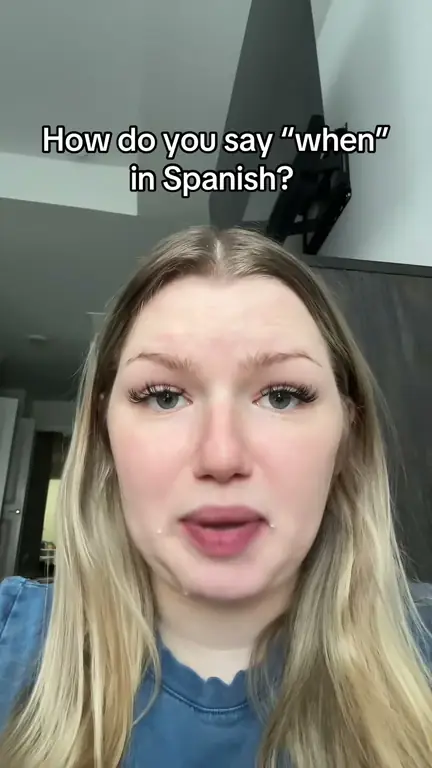 Learning Spanish
- 1.5K likes
- 31 comments
- 526 shares
 Learning Korean
- 3K likes
- 68 comments
- 412 shares
 Learning Korean
- 3.2K likes
- 44 comments
- 367 shares
Your first five phrases
These five cover a surprising amount of daily life in Japan. All of them are polite and safe with anyone.
The everyday daytime greeting. Written with は but pronounced wa.
Often spelled arigato gozaimasu without the macron.
Use it to get attention, squeeze past someone or apologize for a small thing.
Said only the first time you meet someone.
Add it after what you want: お水お願いします (omizu onegai shimasu), water, please.
How Tooter teaches Japanese
Japanese for beginners, online or on your iPhone: short Japanese lessons first, then out-loud practice with an AI tutor.
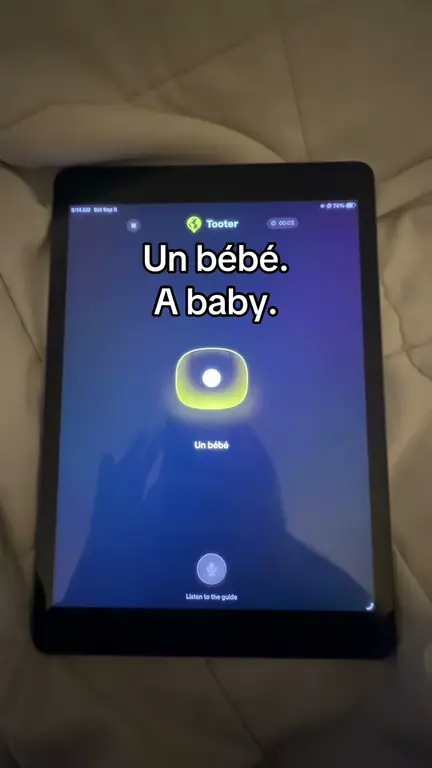 Learning French
- 112.3K likes
- 1.4K comments
- 128.7K shares
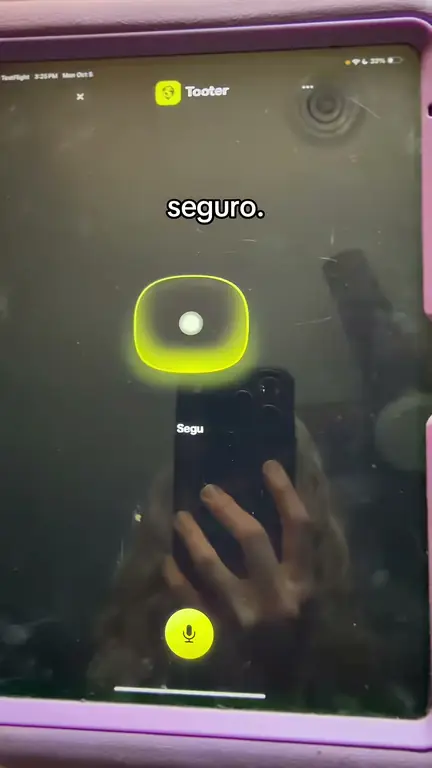 Learning Spanish
- 102.8K likes
- 737 comments
- 22.9K shares
Real Tooter lessons, filmed by learners on TikTok
Lifelike AI tutors
You talk out loud with AI tutors who play real roles, like a waiter, a new friend or a shop owner. Sessions are short, from 5 to 30 minutes.
Corrections while you speak
The tutor points out pronunciation, grammar, vocabulary and fluency as you go, and can explain in English when something is unclear.
Guided lessons
Short chapters with listening, translation, word ordering, matching and dialogue build the phrases you then use with a tutor.
Politeness, practiced
Japanese changes with who you talk to. Tooter lets you practice polite です and ます forms as well as casual speech for friends, so you hear and use both.
What makes Japanese easy or hard for English speakers
- Easier
The sounds
Five clear vowels, and kana are read the way they're written.
- Easier
Simple verbs
食べます (tabemasu) works for I, you, she and they.
- Easier
A hidden help: loanwords
Many words come from English: コーヒー (kōhī, coffee), テレビ (terebi, TV).
- Takes practice
Three scripts
Hiragana, katakana and kanji appear in one sentence.
- Takes practice
Word order and particles
The verb goes last, and particles like は (wa) mark each word's job.
Japanese phrases, words and guides
Tap a bubble for the phrase, its audio and how to use it.
Say it out loud with a Japanese tutor
Lifelike AI tutors play the other person and correct you as you speak. Pick one to start.
 Yukirhythm-awarePractice with Yuki
 Hanaconversation-firstPractice with Hana
 Aikotravel-focusedPractice with Aiko
 Meiculture-richPractice with Mei
 Sakuraconfidence-buildingPractice with Sakura
 Rinnatural correctionPractice with Rin
 Emifluency-drivenPractice with Emi
 Haruculture-richPractice with Haru
 @brittslowlyfluent
 @learningwith.emma
Questions learners ask
How long does it take to learn enough Japanese?
It depends on your goal and how much you practice. Simple polite conversations about yourself, food and plans come much sooner than reading. Japanese is in the US Foreign Service Institute's hardest group for English speakers, mostly because of kanji, so think in months for basics and years for full fluency.
What is the 80/20 rule in Japanese?
It is the idea that a small set of very common words and patterns covers most of what you say every day. In Japanese that means the polite です and ます endings, the main particles and a few hundred high-frequency words. Learn those first and use them out loud.
Can I learn Japanese for free?
You can learn a lot for free: hiragana and katakana charts, shadowing short audio clips, reading simple texts for learners, and talking to yourself in Japanese. Most learners also want feedback on their speaking, which is where a tutor helps.
What is the best app to learn Japanese?
The best app to learn Japanese is one you use every day that makes you speak, not only tap. Look for out-loud practice in real situations and feedback on your pronunciation. Tooter does this with AI tutors on iPhone and the web.
Can you learn Japanese online?
Yes. Online lessons, audio and video cover vocabulary, listening and hiragana well. Make sure you also speak out loud regularly, with an online tutor, a language exchange partner or an AI tutor, because reading and listening alone won't prepare you for a real conversation.
What are the most common Japanese phrases?
Start with こんにちは (konnichiwa, hello), ありがとうございます (arigatō gozaimasu, thank you), すみません (sumimasen, excuse me), お願いします (onegai shimasu, please) and わかりません (wakarimasen, I don't understand). Our Japanese words page groups many more by situation.
Do I need to learn kanji to speak Japanese?
No. You can speak and understand a lot without kanji. Learn hiragana first so you are not stuck with romaji, then add kanji gradually through words you already know.
How do I start speaking Japanese?
Learn a few set phrases like はじめまして (hajimemashite, nice to meet you) and よろしくお願いします (yoroshiku onegai shimasu), use the polite です and ます forms, and say them out loud every day. Japanese pronunciation is fairly easy for English speakers, so speaking early pays off quickly.
What is the difference between hiragana, katakana and kanji?
Hiragana spells native Japanese words and grammar endings, katakana is mostly for loanwords like コーヒー (kōhī, coffee), and kanji are characters from Chinese that carry meaning. A normal sentence mixes all three.
Is Japanese grammar hard?
It is different more than hard. The verb comes at the end of the sentence, particles like は and を mark each word's role, and verbs don't change for I, you or they. Politeness levels usually take more practice than the grammar itself.
Say こんにちは to a tutor today.
Answer a few quick questions, then practice out loud with a tutor.
Updated October 23, 2026. Tooter tutors are AI characters, not human teachers. Romanization follows Hepburn romanization.