 Tooter
How to say I love you in French
I love you in French is je t'aime (zhuh TEM). Say it to a partner, family or very close friends. I'm in love with you is je suis amoureux de toi (amoureuse if you're a woman), and my love is mon amour.
Practice it with a tutor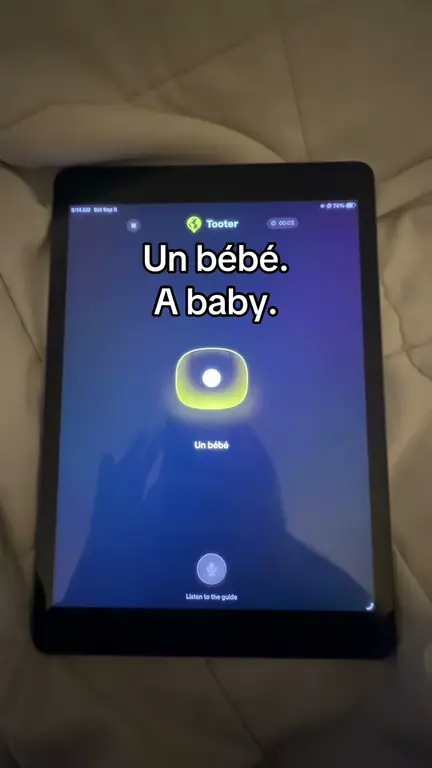 Learning French
- 112.3K likes
- 1.4K comments
- 128.7K shares
 Learning Spanish
- 102.8K likes
- 737 comments
- 22.9K shares
 Learning Korean
- 95.6K likes
- 1.5K comments
- 20.1K shares
Where will you speak French?
Pick one to start your plan. It takes about a minute.
Every way to say I love you
Je t'aime on its own is the real thing. Watch out: adding bien or beaucoup makes it weaker, not stronger.
zhuh TEM. Love for a partner, your family and very close friends. It uses tu, the you for people you're close to.
zhuh tem tel-MAHN. Turns up the feeling without changing the meaning.
zhuh swee ah-moo-RUH duh TWAH. Romantic only. It can come before the first je t'aime.
ah-moo-RUHZ. The ending follows the speaker, not the person you're talking to.
zhuh tah-DOR. Lighter than it sounds in English: friends say it to each other, and with a partner it's affectionate rather than a declaration.
zhuh tem BYEH(N). The classic trap: bien turns love into like. For a friend or someone you're fond of.
zhuh tem boh-KOO. Another trap: beaucoup makes it softer. Friends get je t'aime beaucoup; a partner gets je t'aime.
zhuh voo-ZEM. Vous is the plural or formal you: a parent to the whole family, a singer to the crowd. Couples almost never use it.
Learners film their Tooter practice
Real videos from Tooter creators practicing with their tutor. Public TikTok counts, October 26, 2026.
 Learning German
- 26.9K likes
- 694 comments
- 3.9K shares
 Learning Korean
- 9.3K likes
- 124 comments
- 912 shares
 Learning Spanish
- 1.5K likes
- 31 comments
- 526 shares
 Learning Korean
- 3K likes
- 68 comments
- 412 shares
 Learning Korean
- 3.2K likes
- 44 comments
- 367 shares
 Learning Spanish
- 777 likes
- 26 comments
- 201 shares
Saying I love you before a trip
The night before you leave for a few weeks.
How to say je t'aime
Two beats: zhuh TEM
Je starts with a soft zh, like the s in measure, plus a short uh. T'aime sounds like tem in temple. In everyday speech the uh almost disappears, so you'll hear j't'aime, which sounds close to one quick shtem.
Te becomes t'
Before a vowel, te (you) drops its e: je t'aime, je t'adore. Je te aime is always wrong. You also put the you before the verb, the opposite of English.
Aimer means like and love
With things, aimer means like: j'aime le chocolat is I like chocolate. With a person and nothing added, it means love. To say you're attracted to someone without saying love, use tu me plais (I like you).
Don't add beaucoup
In English, a lot makes I love you stronger. In French, je t'aime beaucoup and je t'aime bien step it down to friendship. If you mean love, stop at je t'aime, or say je t'aime tellement.
How to say my love in French
Pet names and sweet lines French couples actually use.
- casualMon amourMy love
moh-nah-MOOR. The classic pet name for a partner; parents say it to young children too. Always mon, even to a woman.
- casualMon cœurSweetheart (literally my heart)
mohn KUR. Very common between partners and from parents to kids.
- casualMa chérieDarling (to a woman)
mah shay-REE. To a man, say mon chéri. Sounds the same, spelled differently.
- casualMon trésorMy treasure
mohn tray-ZOR. Tender, often used with children too.
- casualMoi aussi, je t'aimeI love you too
mwah oh-SEE. The natural reply to je t'aime. Moi aussi alone works too.
- casualTu me manquesI miss you
tew muh MAHNK. Literally you are missing to me, so the person you miss comes first. Je te manque means you miss me.
- casualJe pense à toiI'm thinking of you
zhuh pahns ah TWAH. A gentle way to say you care, common in texts.
- L'amourLove (the noun)
lah-MOOR. Masculine: un amour, le grand amour (the love of your life). To love is aimer.
Say it out loud with a French tutor
Lifelike AI tutors play the other person and correct you as you speak. Pick one to start.
 Camilleculture-richPractice with Camille
 Amelieconfidence-buildingPractice with Amelie
 Leanatural correctionPractice with Lea
 Manonfluency-drivenPractice with Manon
 Clarascenario-ledPractice with Clara
 Inesrhythm-awarePractice with Ines
 Julietteconversation-firstPractice with Juliette
 Noemietravel-focusedPractice with Noemie
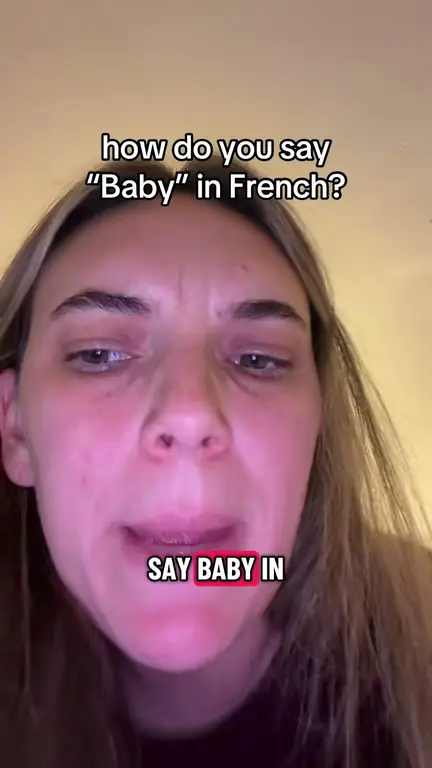 @liv.slowlyfluent
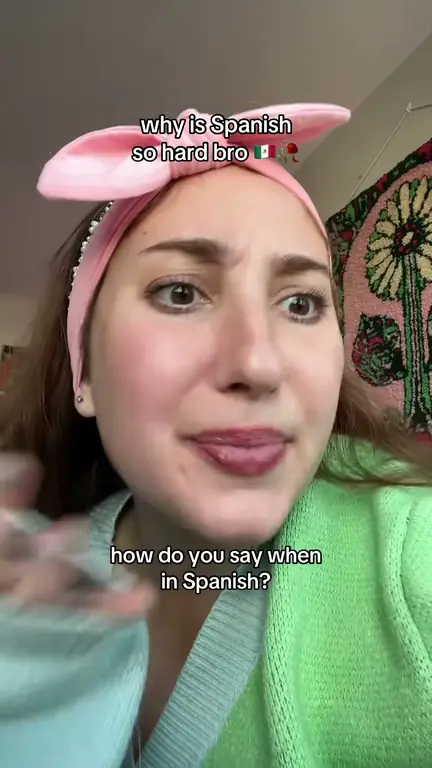 @learningwith.emma
 @learningwith.michelle
Questions learners ask
How do you say I love you in French to a guy?
Je t'aime works for anyone. Only a few phrases change with gender: a woman says je suis amoureuse de toi (I'm in love with you) and a man says je suis amoureux de toi, and you call a man mon chéri and a woman ma chérie. Mon amour and mon cœur work for both.
What does je t'aime mean?
Je t'aime means I love you. Word by word it's I you love: je (I), t' (te, you, shortened before a vowel) and aime (love). Said on its own to a partner or family, it means real love, not like.
Does je t'adore mean I love you?
Not quite. Je t'adore (I adore you) sounds intense in English, but in French it's warm and light: friends say it to each other, and you can adore a song or a dish (j'adore ça). Between partners, je t'aime is the bigger statement.
How do you say my love in French?
Say mon amour (moh-nah-MOOR). Je t'aime, mon amour means I love you, my love. Mon cœur (my heart) and ma chérie or mon chéri (darling) are just as common.
How do you say how are you, my love in French?
Say ça va, mon amour, with your voice rising at the end, the everyday way. Comment vas-tu, mon amour is a little more careful and often written.
What are other ways to say I love you in French?
For something stronger, try je t'aime de tout mon cœur (with all my heart), je t'aime à la folie (madly) or je t'aime plus que tout (more than anything). Tu es l'amour de ma vie means you're the love of my life.
How do you say love in French?
Love, the noun, is l'amour (lah-MOOR), and to love is aimer. To sign off a message to family or friends with love, French speakers write bisous (kisses) or je t'embrasse.
How do you respond to je t'aime?
Say moi aussi, je t'aime (I love you too), or just moi aussi. Je t'aime aussi is correct too. Saying it out loud a few times, with a friend or an AI tutor on Tooter, helps it come out naturally.
Say je t'aime out loud with a tutor.
Answer a few quick questions, then practice out loud with a tutor.
Updated October 29, 2026. Tooter tutors are AI characters, not human teachers.