 Tooter
How to say thank you in Korean
The standard way to say thank you in Korean is 감사합니다 (gamsahamnida). It is polite and safe with anyone. With close friends, say 고마워 (gomawo), and for thank you very much, say 정말 감사합니다 (jeongmal gamsahamnida).
Practice it with a tutor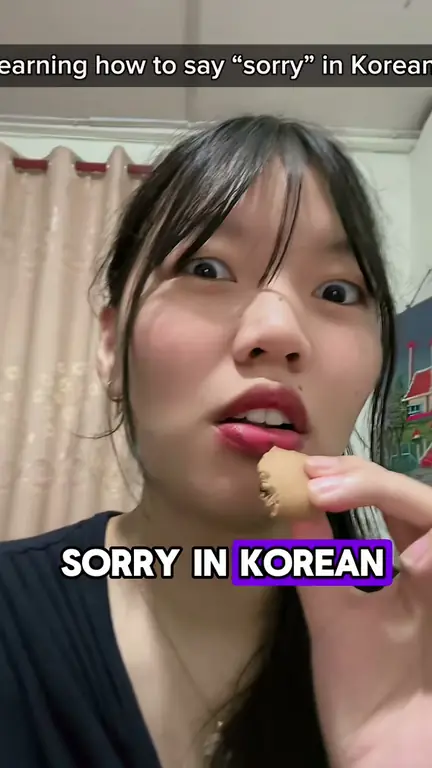 Learning Korean
- 95.6K likes
- 1.5K comments
- 20.1K shares
 Learning French
- 112.3K likes
- 1.4K comments
- 128.7K shares
 Learning Spanish
- 102.8K likes
- 737 comments
- 22.9K shares
Where will you say thank you?
Pick one to start your plan. It takes about a minute.
Every way to say thank you
Korean has two everyday words for thanks, 감사 (gamsa) and 고맙 (gomap), and each comes in several politeness levels. When in doubt, use 감사합니다.
The everyday default in shops, taxis, restaurants and at work. The ending is formal, but nobody finds it stiff.
Same level as 감사합니다, built on a native Korean word instead of a Chinese-origin one. Sounds a little warmer.
A softer, friendlier polite form for people you see often.
Warm and polite. Common with coworkers, classmates and acquaintances.
Only with close friends, family and kids.
정말 means really. Use it when someone went out of their way for you.
Very formal. Heard in speeches, announcements and customer service, rarely in conversation.
Playful and casual. Friends only, often in texts.
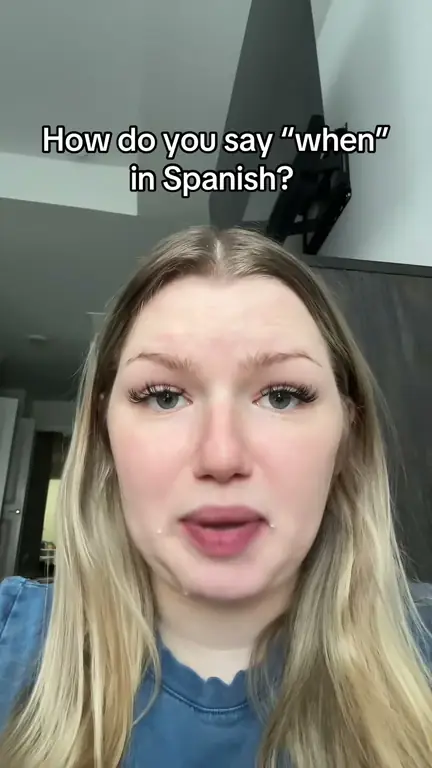
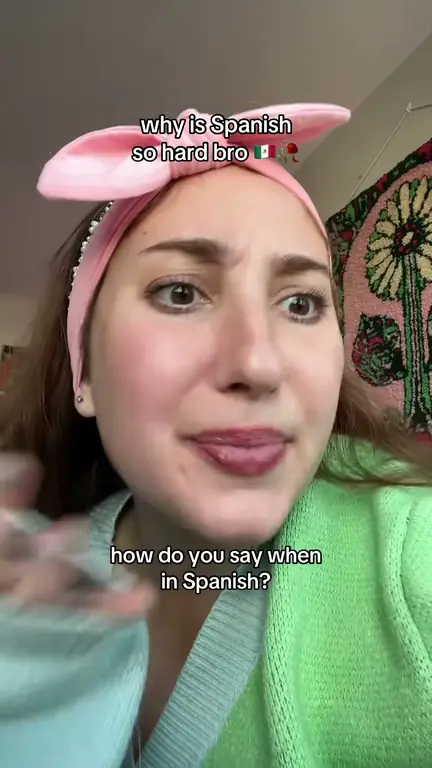
Learners film their Tooter practice
Real videos from Tooter creators practicing with their tutor. Public TikTok counts, October 26, 2026.
 Learning Korean
- 9.3K likes
- 124 comments
- 912 shares
 Learning Korean
- 3K likes
- 68 comments
- 412 shares
 Learning Korean
- 3.2K likes
- 44 comments
- 367 shares
 Learning German
- 26.9K likes
- 694 comments
- 3.9K shares
 Learning Spanish
- 1.5K likes
- 31 comments
- 526 shares
 Learning Spanish
- 777 likes
- 26 comments
- 201 shares
Saying thank you at a café
You pick up your drink at the counter.
How to pronounce 감사합니다
The b turns into an m
It is written 감사합니다 but said gam-sa-ham-ni-da. When ㅂ comes before ㄴ, it changes to an m sound. The same thing happens in 고맙습니다 (go-map-seum-ni-da).
Keep the beats even
Give all five syllables about the same length and let your voice fall gently on the last one. Korean has no strong stress like English.
Add a small nod
A slight bow of the head while you say it is normal, especially with older people, staff and anyone who helped you.
감사 or 고맙: either works
Both mean thank you and are equally polite at the same level. 감사합니다 is a little more common in shops and at work; 고마워 is what friends say to each other.
How to reply to thank you
Koreans often brush thanks off modestly rather than saying a direct you're welcome.
- polite아니에요anieyoNot at all / It's nothing
The most natural everyday reply, literally "it's not (anything)."
- polite천만에요cheonmaneyoYou're welcome
The textbook reply. Correct, but it can sound a little stiff in casual talk.
- polite별말씀을요byeolmalsseumeullyoDon't mention it
Modest and polite, good with older people and at work.
- polite괜찮아요gwaenchanayoIt's fine / No problem
Often paired with 아니에요: 아니에요, 괜찮아요.
- formal저야말로 감사합니다jeoyamallo gamsahamnidaI should be thanking you
When you are just as grateful, like a shop owner thanking a customer.
- casual아니야aniyaNah, it's nothing
With close friends.
Say it out loud with a Korean tutor
Lifelike AI tutors play the other person and correct you as you speak. Pick one to start.
 Minjiconversation-firstPractice with Minji
 Hanatravel-focusedPractice with Hana
 Jisooculture-richPractice with Jisoo
 Yunaconfidence-buildingPractice with Yuna
 Soranatural correctionPractice with Sora
 Jiwoofluency-drivenPractice with Jiwoo
 Nariscenario-ledPractice with Nari
 Sujinrhythm-awarePractice with Sujin
 @learningwith.emma
 @learningwith.michelle
Questions learners ask
How do you say thank you politely in Korean?
Say 감사합니다 (gamsahamnida) or 고맙습니다 (gomapseumnida). Both are polite enough for anyone, from shop staff to your boss. For extra gratitude in a formal setting, such as a speech or a business email, say 대단히 감사합니다 (daedanhi gamsahamnida) or 감사드립니다 (gamsadeurimnida).
How do you say thank you very much in Korean?
Say 정말 감사합니다 (jeongmal gamsahamnida), literally really thank you. 너무 감사합니다 (neomu gamsahamnida) is just as common. With a friend, say 정말 고마워 (jeongmal gomawo).
Is it gamsahamnida or kamsahamnida?
Both spell the same word, 감사합니다. Gamsahamnida follows Revised Romanization, South Korea's official system since 2000, and kamsahamnida comes from the older McCune-Reischauer system. The first sound sits between an English g and k, so you will see both.
What does kamsamida mean?
Kamsamida is how some learners write what they hear when 감사합니다 is said quickly. In fast speech the h in 합 gets very light and the syllables run together, so it can sound like kam-sa-am-ni-da. It is the same word, not a different phrase, so write and learn 감사합니다.
How do you pronounce gamsahamnida?
Say gam-sa-ham-ni-da in five even beats. The ㅂ in 합 is pronounced m because it comes before ㄴ. On Tooter, an AI tutor can play a barista or shop owner and correct your pronunciation as you speak.
What does gomawoyo mean?
고마워요 (gomawoyo) means thank you at the friendly polite level. It comes from the native Korean word 고맙다 (gomapda), so it feels a little warmer than 감사해요 (gamsahaeyo). Drop the 요 and say 고마워 (gomawo) only with close friends.
Why do Koreans say "imnida" so often?
-ㅂ니다 (-mnida) is the formal polite verb ending, used in greetings, thanks and apologies like 감사합니다 and 죄송합니다. You also hear 입니다 (imnida), which means is or am, as in 학생입니다 (haksaengimnida), I am a student.
How do Koreans respond to thank you?
The most natural reply is 아니에요 (anieyo), meaning not at all. 천만에요 (cheonmaneyo) means you're welcome but sounds a bit formal in daily life, and 별말씀을요 (byeolmalsseumeullyo) means don't mention it.
Say 감사합니다 to a tutor today.
Answer a few quick questions, then practice out loud with a tutor.
Updated October 29, 2026. Tooter tutors are AI characters, not human teachers. Romanization follows Revised Romanization.