 Tooter
How to say thank you in German
Thank you in German is danke (DAHN-kuh). Thank you very much is vielen Dank (FEE-len dahnk) or danke schön (DAHN-kuh shuhn). All three work with anyone. The usual reply is bitte (BIT-uh), which means both please and you're welcome.
Practice it with a tutor Learning German
- 26.9K likes
- 694 comments
- 3.9K shares
 Learning French
- 112.3K likes
- 1.4K comments
- 128.7K shares
 Learning Spanish
- 102.8K likes
- 737 comments
- 22.9K shares
Where will you say danke?
Pick one to start your plan. It takes about a minute.
Every way to say thank you
Danke is always safe. The others add warmth, or show whether you call someone du or Sie.
DAHN-kuh. The everyday word, fine with friends, strangers and shop staff alike.
DAHN-kuh shuhn. The classic polite thanks, very common in shops and restaurants.
FEE-len dahnk. Literally many thanks. Works with anyone, and it's the usual choice in emails.
DAHN-kuh zair. About the same as danke schön, and a little less common.
HAIRTS-lih-khen dahnk. Warm and sincere, often in cards, emails and speeches.
TOW-zent dahnk, with ow as in cow. Literally a thousand thanks. For a real favor from a friend.
ikh DAHN-kuh EE-nen. Sincere, for someone you call Sie. The ch is a soft hiss, close to the h in huge.
ikh DAHN-kuh deer. The same sentence for someone you call du.
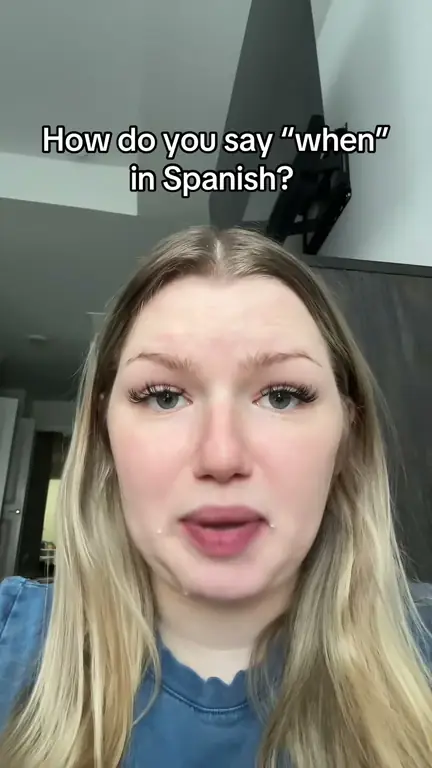
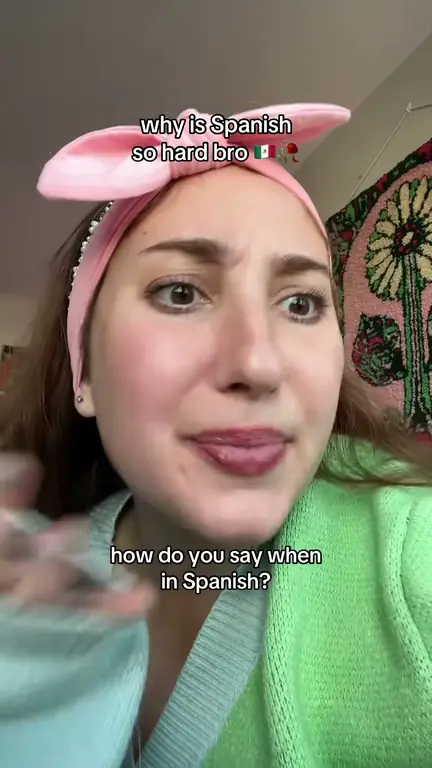
Learners film their Tooter practice
Real videos from Tooter creators practicing with their tutor. Public TikTok counts, October 26, 2026.
 Learning Korean
- 95.6K likes
- 1.5K comments
- 20.1K shares
 Learning Korean
- 9.3K likes
- 124 comments
- 912 shares
 Learning Spanish
- 1.5K likes
- 31 comments
- 526 shares
 Learning Korean
- 3K likes
- 68 comments
- 412 shares
 Learning Korean
- 3.2K likes
- 44 comments
- 367 shares
 Learning Spanish
- 777 likes
- 26 comments
- 201 shares
Du or Sie: formal and casual thank yous
Danke, danke schön and vielen Dank work with everyone. Once you add a word for you, it has to match: du forms for friends, family and kids, Sie forms for strangers and people you don't know well.
| German | Say it to | Meaning |
|---|---|---|
| Ich danke dir | A friend (du) | Thank you |
| Ich danke Ihnen | A stranger (Sie) | Thank you |
| Danke für deine Hilfe | A friend (du) | Thanks for your help |
| Danke für Ihre Hilfe | A stranger (Sie) | Thanks for your help |
| Das ist nett von dir | A friend (du) | That's kind of you |
| Das ist nett von Ihnen | A stranger (Sie) | That's kind of you |
| Danke, dir auch | A friend (du) | Thanks, you too |
| Danke, Ihnen auch | A stranger (Sie) | Thanks, you too |
Saying thank you in a café
Having a coffee in Munich. Listen for how many jobs bitte does in one short scene.
How to say you're welcome in German
When someone thanks you, bitte is always right. These are the other replies you'll hear.
- politeBitteYou're welcome; please
BIT-uh. The everyday reply, and the same word as please.
- politeBitte schönYou're welcome; here you go
BIT-uh shuhn. The usual answer to danke schön, and what servers say when they hand you something.
- politeGern geschehenYou're welcome
gairn guh-SHAY-en. Literally gladly done. Warm, and good after a real favor.
- politeGerneMy pleasure
GAIR-nuh. Literally gladly. Short, friendly and very common.
- casualKein ProblemNo problem
kine proh-BLAYM. Common among friends and younger people.
- politeNichts zu dankenDon't mention it
nikhts tsoo DAHN-ken. Literally nothing to thank for. For when it was no trouble at all.
- politeKeine UrsacheDon't mention it
KY-nuh OOR-zah-khuh. Literally no cause. The ch here is the throaty one, as in Bach.
Pick the best reply
Someone thanks you, helps you or offers you something. In the last one, you'd like more coffee. Say each reply out loud, then pick the one that fits. Every reply is correct German; some just don't fit the moment.
How to say danke and bitte
End on a soft uh
Danke is DAHN-kuh. The a is short and open, the n blends into the k like the nk in thank, and the final e is a soft uh, never ay or ee.
Round your lips for schön
The ö has no English match. Say ay as in day, then round your lips as if for oh, and hold the sound. There's no r in the word: shuhn is only a rough English spelling.
Bitte means please and you're welcome
Bitte is please when you ask for something (Einen Kaffee, bitte) and you're welcome after someone thanks you. It also means here you go when you hand something over, and wie bitte? means pardon?
A plain danke can mean no
When someone offers you something, danke on its own often means no, thanks. To accept, say ja, bitte or ja, gerne.
Say it out loud with a German tutor
Lifelike AI tutors play the other person and correct you as you speak. Pick one to start.
 Lenaconfidence-buildingPractice with Lena
 Annanatural correctionPractice with Anna
 Clarafluency-drivenPractice with Clara
 Miascenario-ledPractice with Mia
 Gretarhythm-awarePractice with Greta
 Lotteconversation-firstPractice with Lotte
 Hannahtravel-focusedPractice with Hannah
 Lukasscenario-ledPractice with Lukas
 @learningwith.emma
 @learningwith.michelle
Questions learners ask
How do you say thank you very much in German?
Say vielen Dank (FEE-len dahnk) or danke schön (DAHN-kuh shuhn). For something stronger, say vielen herzlichen Dank, which means many heartfelt thanks.
Do Germans say danke schön?
Yes, every day, especially in shops, cafés and restaurants. Among friends, a plain danke or vielen Dank is often more common.
What does danke schön mean?
It means thank you very much. Word for word it's closer to thanks beautifully, since schön means beautiful. Danke schoen is the same phrase, with oe standing in for ö.
Is danke schön formal or informal?
It's neutral. You can say it to a friend, a server or your boss, whether you call them du or Sie. For a more formal tone, especially in writing, use vielen Dank or herzlichen Dank.
How do you say thank you politely in German?
Vielen Dank is the safest polite choice, in speech and in emails. Ich danke Ihnen sounds more formal and sincere. Vielen Dank für Ihre Hilfe (thank you very much for your help) also says what you're thanking them for.
Does bitte mean please or you're welcome?
Both. Bitte is please when you ask for something and you're welcome after someone says danke. Bitte schön and gern geschehen are warmer ways to say you're welcome.
How do you say thank you to a girl in German?
The same way as to anyone: danke or vielen Dank. German thanks don't change with gender. The only choice is du or Sie, so say ich danke dir to a friend and ich danke Ihnen to a woman you don't know.
How do you pronounce danke?
Say DAHN-kuh, with a short open a and a soft uh at the end. In Tooter you can say it out loud with an AI tutor, who corrects your pronunciation as you speak.
Say danke to a tutor today.
Answer a few quick questions, then practice out loud with a tutor.
By the Tooter Editorial Team. Updated November 5, 2026. Tooter tutors are AI characters, not human teachers.