 Tooter
How to say good morning in German
Good morning in German is Guten Morgen (GOO-ten MOR-gen). Say it to anyone until about 10 or 11 a.m., then switch to Guten Tag. Friends and coworkers shorten it to Morgen! To reply, just say Guten Morgen or Morgen back.
Practice it with a tutor Learning German
- 26.9K likes
- 694 comments
- 3.9K shares
 Learning French
- 112.3K likes
- 1.4K comments
- 128.7K shares
 Learning Spanish
- 102.8K likes
- 737 comments
- 22.9K shares
Where will you say Guten Morgen?
Pick one to start your plan. It takes about a minute.
Every way to say good morning
Guten Morgen is always safe in the morning. The others depend on how well you know the person.
The standard greeting for anyone until about 10 or 11 a.m. Fine at work, in shops and at home.
The short form, for coworkers, neighbors, friends and family. Very common at the office.
To a woman you call Sie: Frau plus her last name, whether she's married or not.
To a man you call Sie. German uses Herr plus the last name where English might say sir.
For a group, like a team meeting or a class. Morgen zusammen is the casual version.
Warmer and a little cheerful. You'll hear it from shop staff, hosts and friendly neighbors.
For a partner or a child. Schatz literally means treasure.
What family and partners ask first thing, often right after Guten Morgen. With Sie: Haben Sie gut geschlafen?
Learners film their Tooter practice
Real videos from Tooter creators practicing with their tutor. Public TikTok counts, October 26, 2026.
 Learning Korean
- 95.6K likes
- 1.5K comments
- 20.1K shares
 Learning Korean
- 9.3K likes
- 124 comments
- 912 shares
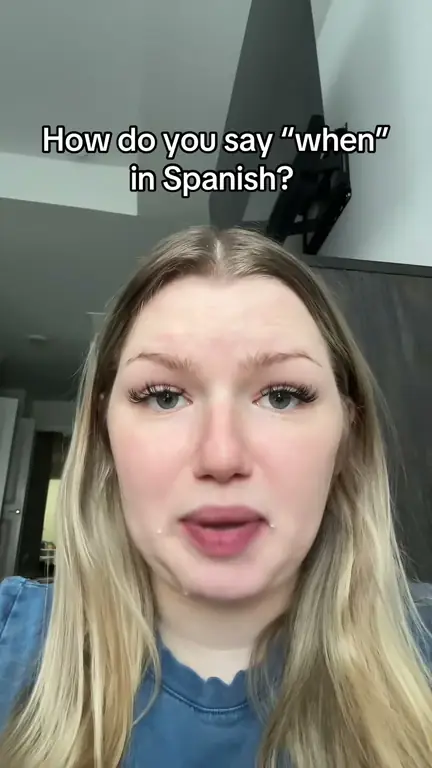 Learning Spanish
- 1.5K likes
- 31 comments
- 526 shares
 Learning Korean
- 3K likes
- 68 comments
- 412 shares
 Learning Korean
- 3.2K likes
- 44 comments
- 367 shares
 Learning Spanish
- 777 likes
- 26 comments
- 201 shares
Good morning, good afternoon and good evening
German greetings follow the clock. Guten Tag covers most of the day, so there's little need for a separate good afternoon.
| German | Meaning | When |
|---|---|---|
| Guten Morgen | Good morning | Until about 10 or 11 a.m. |
| Guten Tag | Hello, good day | Late morning to evening |
| Mahlzeit | Enjoy your meal; hi | At work, around lunch |
| Guten Nachmittag | Good afternoon | Rare as a hello |
| Guten Abend | Good evening | From about 6 p.m. |
| Gute Nacht | Good night | Bedtime, never a hello |
| Schönen Tag noch | Have a nice day | When you leave |
Good morning at the bakery
Buying breakfast rolls at a bakery in Cologne. In shops, Germans use Sie and start with Guten Morgen.
How to reply to Guten Morgen
Most of the time you say the same greeting back. These cover the small talk that follows. Ihnen goes with Sie, and dir and du go with friends.
- politeGuten Morgen!Good morning!
The usual reply, with anyone. If they said Morgen!, you can say Morgen! back.
- politeDanke, gut. Und Ihnen?Fine, thanks. And you?
The answer to Wie geht es Ihnen? (How are you?)
- casualGut, und dir?Good, and you?
The answer to Wie geht's? from a friend.
- casualJa, danke, und du?Yes, thanks, and you?
The answer to Gut geschlafen? (Did you sleep well?)
- politeDanke, gleichfalls!Thanks, likewise!
The reply to Schönen Tag noch! Works with anyone.
- casualDir auch!You too!
To a friend who wishes you a nice day. With Sie: Ihnen auch!
Pick the best reply
Three mornings, three people. Say each reply out loud, then pick the one that fits. Every reply is correct German; some just don't fit the moment.
How to say and write Guten Morgen
Keep it short and soft
GOO-ten MOR-gen, with the stress on the first syllable of each word. In fast speech the -en of Guten almost disappears, and the r in Morgen is soft, from the back of the throat, never an English r.
Morgen or morgen
Der Morgen, with a capital M, is the morning. Written with a small m, morgen means tomorrow, so bis morgen means see you tomorrow. As a greeting, write Guten Morgen with two capitals.
Know when to switch
Guten Morgen fits until about 10 or 11 a.m. After that most people say Guten Tag or Hallo. If someone still says Guten Morgen at 11:30, just say it back.
Use names, not sir
German has no everyday word for sir or ma'am. Add Herr or Frau and the last name, or simply say Guten Morgen. The greeting itself stays the same for everyone.
Say it out loud with a German tutor
Lifelike AI tutors play the other person and correct you as you speak. Pick one to start.
 Lenaconfidence-buildingPractice with Lena
 Annanatural correctionPractice with Anna
 Clarafluency-drivenPractice with Clara
 Miascenario-ledPractice with Mia
 Gretarhythm-awarePractice with Greta
 Lotteconversation-firstPractice with Lotte
 Hannahtravel-focusedPractice with Hannah
 Lukasscenario-ledPractice with Lukas
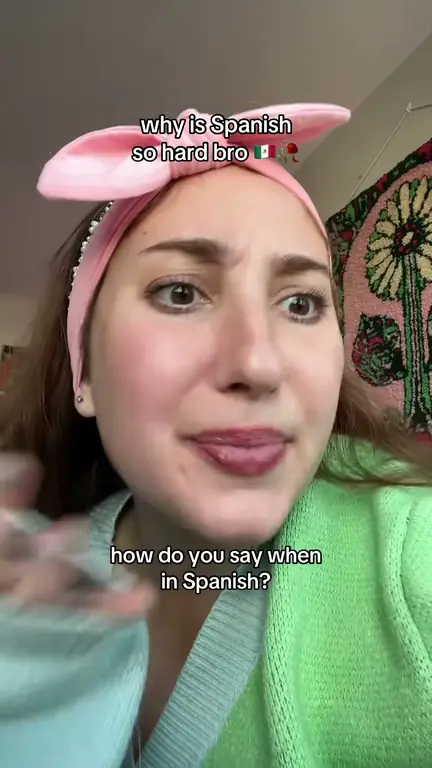 @learningwith.emma
 @learningwith.michelle
Questions learners ask
How is good morning spelled in German?
Guten Morgen, with a capital G and a capital M, because Morgen is a noun. Written in lowercase, morgen means tomorrow, so bis morgen means see you tomorrow.
How do you say good morning informally in German?
Say Morgen! to friends, coworkers and neighbors. In northern Germany, Moin works too, though it isn't only for mornings: people say it all day.
How do you say good morning, sir or good morning to a woman in German?
Say Guten Morgen, Herr Schmidt to a man and Guten Morgen, Frau Müller to a woman, with their last names. German has no everyday word for sir; mein Herr exists but sounds stiff. Fräulein is outdated, so use Frau for every adult woman.
What is a friendly way to say good morning in German?
Einen schönen guten Morgen! is warm and cheerful with anyone. With a partner or a child, Guten Morgen, mein Schatz or Guten Morgen, Sonnenschein (sunshine) is sweet.
Do Swiss people say Guten Tag?
They understand it, but in German-speaking Switzerland the everyday polite hello is Grüezi, friends say Hoi, and good morning is Guete Morge in Swiss German. In Austria and southern Germany, you'll often hear Grüß Gott.
What are some common German greetings?
Hallo works almost any time, Guten Tag is polite, Guten Abend is for the evening, and regional words like Moin and Servus are friendly. Our guide on how to say hello in German covers all of them.
How do you respond to Guten Morgen?
Say Guten Morgen back, or Morgen! if the other person used the short form. With Tooter you can practice morning small talk out loud with an AI tutor and get corrections as you speak.
How do you say good afternoon and good evening in German?
For good afternoon, Germans say Guten Tag; Guten Nachmittag exists but is rarely used as a hello. Good evening is Guten Abend, from about 6 p.m.
Say Guten Morgen to a tutor today.
Answer a few quick questions, then practice out loud with a tutor.
By the Tooter Editorial Team. Updated November 9, 2026. Tooter tutors are AI characters, not human teachers.