 Tooter
How to say thank you in French
Thank you in French is merci (mair-SEE). To say thank you very much, use merci beaucoup (mair-SEE boh-KOO). Both work with anyone, and the usual reply is de rien (you're welcome).
Practice it with a tutor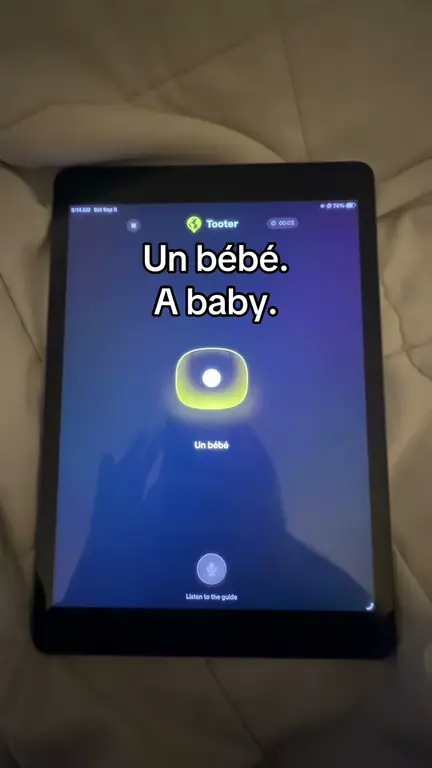 Learning French
- 112.3K likes
- 1.4K comments
- 128.7K shares
 Learning Spanish
- 102.8K likes
- 737 comments
- 22.9K shares
 Learning Korean
- 95.6K likes
- 1.5K comments
- 20.1K shares
Where will you say merci?
Pick one to start your plan. It takes about a minute.
Every way to say thank you
Merci is always safe. The others add warmth, formality or a casual touch.
The everyday thanks. Fine with friends, strangers and shop staff alike.
The standard way to sound more grateful. Always in this order, never beaucoup merci.
Friendly and common in shops. Said in a flat tone it can sound dry or sarcastic, so say it warmly.
Warm and a bit emphatic, for a real favor.
Heartfelt. Common for big favors and in written thanks.
For work, emails and people you don't know. With a friend: je te remercie.
Very common when someone offers help, a compliment or a small gift.
Merci with its syllables flipped (verlan). Young people in France, among friends only.
Learners film their Tooter practice
Real videos from Tooter creators practicing with their tutor. Public TikTok counts, October 26, 2026.
 Learning German
- 26.9K likes
- 694 comments
- 3.9K shares
 Learning Korean
- 9.3K likes
- 124 comments
- 912 shares
 Learning Spanish
- 1.5K likes
- 31 comments
- 526 shares
 Learning Korean
- 3K likes
- 68 comments
- 412 shares
 Learning Korean
- 3.2K likes
- 44 comments
- 367 shares
 Learning Spanish
- 777 likes
- 26 comments
- 201 shares
Saying thank you at a bakery
Buying bread on a morning in Paris.
How to pronounce merci
Say mair, not mur
The first syllable is an open "mair," not the "mur" of the English word mercy. Getting this vowel right is what makes merci sound French.
Lean on the last syllable
French puts a light stress at the end of a word or phrase: mair-SEE, not MUR-see. Keep both syllables short and even.
Try the French r
The r is made at the back of the throat, close to a soft gargle. An English r is still understood, but practicing the French one helps in every word that has an r.
Beaucoup is boh-KOO
The eau spells a plain o sound and the final p is silent. Say merci beaucoup as one smooth phrase, with the stress on the very end.
How to reply to merci
When someone thanks you, pick one of these.
- politeDe rienYou're welcome
Literally "it's nothing." The everyday reply, fine with anyone.
- formalJe vous en prieYou're welcome
Polite and a little formal, common in shops. With a friend: je t'en prie.
- politeAvec plaisirWith pleasure
Warm and friendly, often heard in cafés and restaurants.
- politeIl n'y a pas de quoiDon't mention it
Usually shortened to pas de quoi in everyday speech.
- formalC'est moi qui vous remercieNo, thank you (literally it's me who thanks you)
When you are just as grateful, like a shop owner thanking a customer.
- casualBienvenueYou're welcome
Heard in Quebec as a reply to merci, but it is colloquial: de rien or je vous en prie is the safer choice there too. In France, bienvenue only means welcome, as in welcome to our home.
Say it out loud with a French tutor
Lifelike AI tutors play the other person and correct you as you speak. Pick one to start.
 Camilleculture-richPractice with Camille
 Amelieconfidence-buildingPractice with Amelie
 Leanatural correctionPractice with Lea
 Manonfluency-drivenPractice with Manon
 Clarascenario-ledPractice with Clara
 Inesrhythm-awarePractice with Ines
 Julietteconversation-firstPractice with Juliette
 Noemietravel-focusedPractice with Noemie
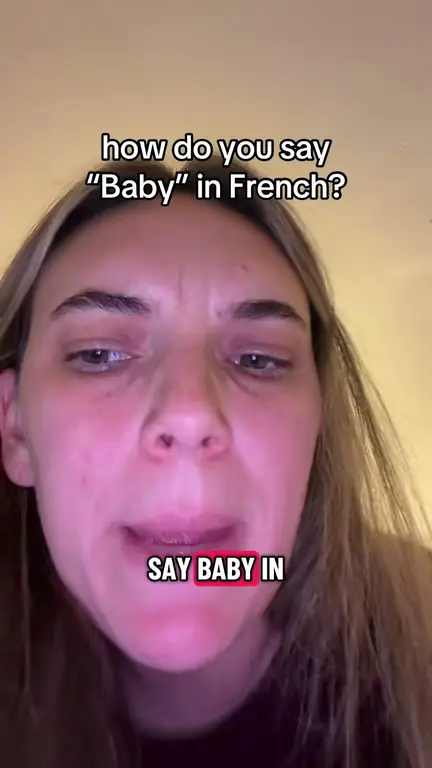 @liv.slowlyfluent
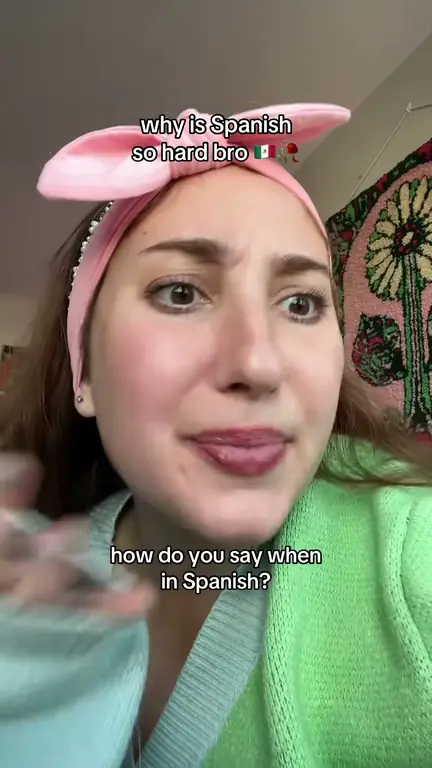 @learningwith.emma
 @learningwith.michelle
Questions learners ask
How do you say thank you very much in French?
Say merci beaucoup (mair-SEE boh-KOO). For something bigger, merci mille fois (thanks a million) or merci infiniment (thank you so much) sound even more grateful.
How do you reply to thank you in French?
The everyday reply is de rien (you're welcome). Je vous en prie is more polite, avec plaisir (with pleasure) is warm. In Quebec you will also hear bienvenue, but it is colloquial, so stick with de rien or je vous en prie. With Tooter you can practice the whole exchange out loud with an AI tutor until it feels automatic.
What is a fancy way to say thank you in French?
Je vous remercie (I thank you) and merci infiniment (thank you infinitely) both sound refined. In a formal email, write je vous remercie de votre aide (thank you for your help).
What is slang for thank you in French?
Cimer is merci with its syllables flipped, a kind of slang called verlan. It is used by young people in France among friends, so keep it out of shops, work and anything formal.
How do you say thanks in a cute way in French?
Try merci, t'es un amour (thanks, you're a sweetheart) or merci, c'est trop gentil (thanks, that's so sweet). Both are casual, so save them for friends, family and partners.
How do you say thank you for something in French?
Use merci pour with a noun: merci pour l'invitation (thanks for the invitation), merci pour votre aide (thanks for your help). For something someone did, use merci d'avoir or merci d'être: merci d'avoir attendu (thanks for waiting), merci d'être venu (thanks for coming). Thanks for understanding is merci de votre compréhension. On signs, merci de plus a verb is a polite request: merci de fermer la porte (please close the door).
Is merci formal or informal?
Merci is neutral, so it works with anyone. To sound more polite with a stranger or in a shop, add monsieur or madame: Merci, madame. For extra formality, say je vous remercie.
Can I say je suis bien?
Je suis bien means I'm comfortable or I feel good here, for example on a comfy sofa. To answer how are you, say je vais bien (I'm fine) or ça va bien, usually with a thank you: Je vais bien, merci.
Say merci to a tutor today.
Answer a few quick questions, then practice out loud with a tutor.
Updated October 27, 2026. Tooter tutors are AI characters, not human teachers.