 Tooter
How to say thank you in Spanish
Thank you in Spanish is gracias (GRAH-syahs). Thank you very much is muchas gracias (MOO-chahs GRAH-syahs). Both are polite enough for anyone, from friends to strangers, and the usual reply is de nada (you're welcome).
Practice it with a tutor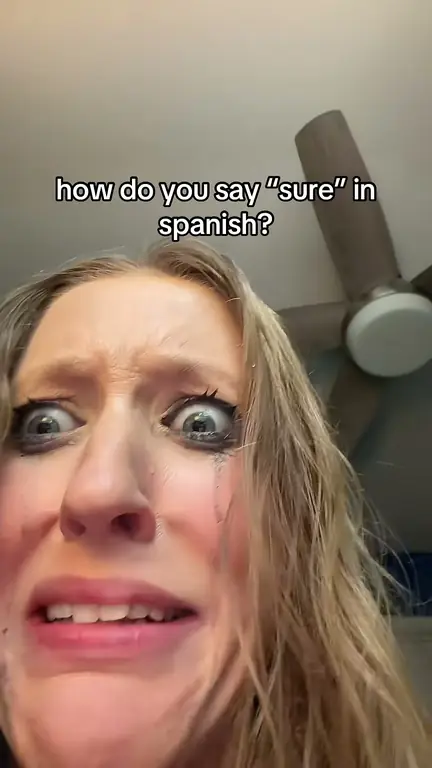 Learning Spanish
- 102.8K likes
- 737 comments
- 22.9K shares
 Learning French
- 112.3K likes
- 1.4K comments
- 128.7K shares
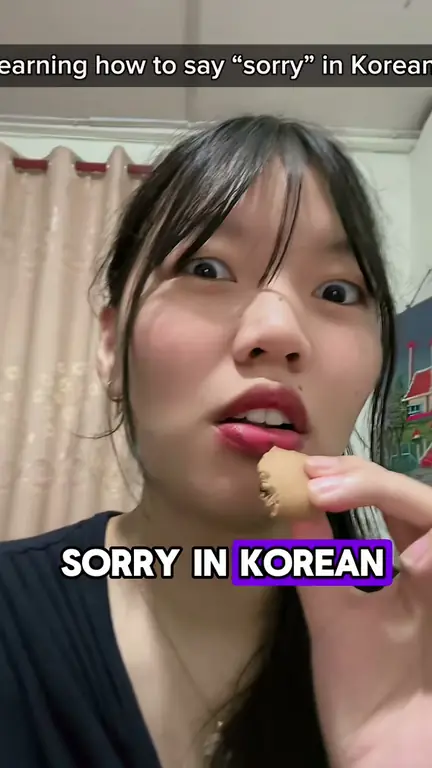 Learning Korean
- 95.6K likes
- 1.5K comments
- 20.1K shares
Where will you say gracias?
Pick one to start your plan. It takes about a minute.
Every way to say thank you
Gracias covers almost everything. Add a little more when someone really helped you.
Fine with anyone, anywhere.
The most common way to say thanks a lot.
For when you're truly grateful.
Warm and common in speech and texts.
When you say goodbye to a host or someone who helped a lot.
Very common when a stranger holds a door, gives directions or offers help.
Sincere and a bit more personal than gracias.
Usted form, for a stranger, an official or an older person.
Learners film their Tooter practice
Real videos from Tooter creators practicing with their tutor. Public TikTok counts, October 26, 2026.
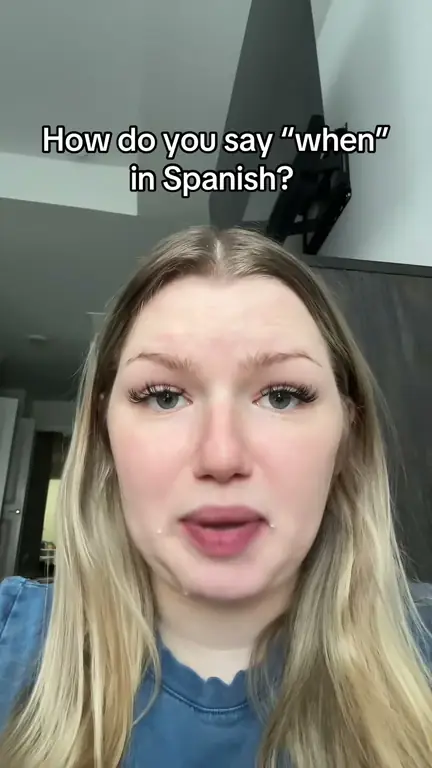 Learning Spanish
- 1.5K likes
- 31 comments
- 526 shares
 Learning Spanish
- 777 likes
- 26 comments
- 201 shares
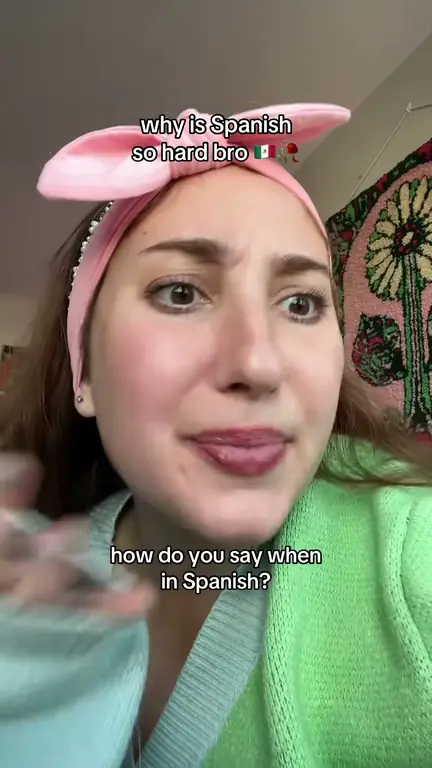 Learning Spanish
- 374 likes
- 10 comments
- 49 shares
 Learning German
- 26.9K likes
- 694 comments
- 3.9K shares
 Learning Korean
- 9.3K likes
- 124 comments
- 912 shares
 Learning Korean
- 3K likes
- 68 comments
- 412 shares
Thanking a waiter
Finishing up at a café.
How to pronounce and use gracias
Two syllables, not three
Say GRAH-syahs. The cias is one quick beat, so avoid a three-part grah-see-ahs. The r is a light tap.
Spain vs. Latin America
In Latin America the c sounds like s: GRAH-syahs. In most of Spain it's like the th in think: GRAH-thyahs. Both are correct.
Thank someone for something
Use gracias por plus a noun or a verb: gracias por la cena (thanks for dinner), gracias por venir (thanks for coming).
Say no politely
To turn down an offer, say no, gracias with a smile. It's polite and complete; you don't need to explain.
How to reply to gracias
When someone thanks you, pick one of these.
- politeDe nadaYou're welcome
Literally it's nothing. The everyday reply in every country.
- politeCon gustoMy pleasure
Warm and very common in Colombia, Central America and Mexico.
- politeNo hay de quéDon't mention it
A touch more polite than de nada. Understood everywhere.
- casualPor nadaNo problem
Common in Latin America, especially Mexico and Argentina.
- politeA la ordenAt your service
Heard in shops and from friends in Colombia and Venezuela.
- casualGracias a tiThank YOU (literally thanks to you)
When you're just as grateful. With usted: Gracias a usted.
Say it out loud with a Spanish tutor
Lifelike AI tutors play the other person and correct you as you speak. Pick one to start.
 Sofianatural correctionPractice with Sofia
 Luciafluency-drivenPractice with Lucia
 Valeriascenario-ledPractice with Valeria
 Albarhythm-awarePractice with Alba
 Carmenconversation-firstPractice with Carmen
 Claratravel-focusedPractice with Clara
 Martaculture-richPractice with Marta
 Elenaconfidence-buildingPractice with Elena
 @wallakpu.slowly.fluent
 @learningwith.michelle
Questions learners ask
What's the best way to say thank you in Spanish?
Gracias works in every situation. Make it muchas gracias when someone does something for you, and se lo agradezco mucho (I really appreciate it) when you want to sound sincere and formal.
How do you say thank you very much in Spanish?
Muchas gracias is thank you very much, and muchísimas gracias is thank you so much. A Tooter tutor can help you hear the difference between a quick gracias and a heartfelt one.
What do you say in Spanish when someone says thank you?
Say de nada (you're welcome). Other common replies are no hay de qué (don't mention it), con gusto (my pleasure) and, in Colombia and Venezuela, a la orden.
Do you say gracia or gracias?
Always gracias, with an s and no accent mark: g-r-a-c-i-a-s. Gracia on its own means grace or charm, and tiene gracia means it's funny.
How do you say thank you, ma'am in Spanish?
Say gracias, señora, or gracias, señorita to a young woman. To a man, gracias, señor. Adding the title makes a simple thanks sound extra polite.
What is slang for thank you in Spanish?
Se agradece (much appreciated) is a relaxed, very common thanks. In texts you'll see grax or graciaaas. In Spain, friends say gracias, tío or gracias, tía, a bit like thanks, man.
How do you say thank you for everything in Spanish?
Say gracias por todo. For extra warmth, muchas gracias por todo.
How do Puerto Ricans say thank you?
Puerto Ricans say gracias, like everyone else. In relaxed Caribbean speech the final s is often softened, so it can sound close to gracia.
Say gracias to a tutor today.
Answer a few quick questions, then practice out loud with a tutor.
Updated October 29, 2026. Tooter tutors are AI characters, not human teachers.