 Tooter
Common German words and phrases
The most useful basic German words are hallo (hello), danke (thank you), bitte (please), ja (yes), nein (no) and Wo ist...? (Where is...?). Learn them inside short phrases grouped by situation, and say each one out loud.
Practice it with a tutor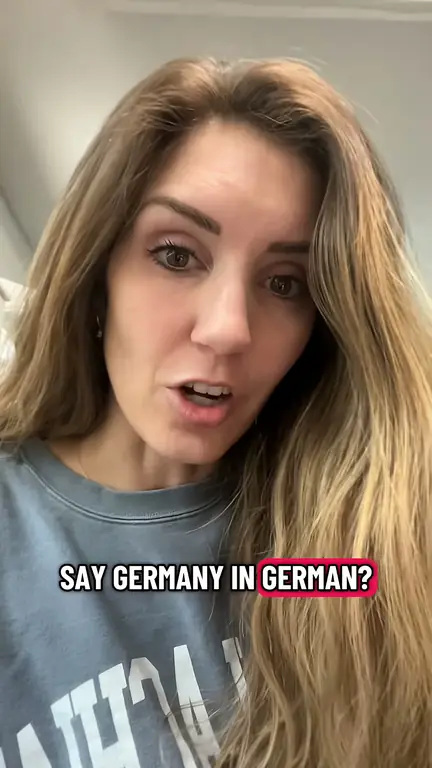 Learning German
- 26.9K likes
- 694 comments
- 3.9K shares
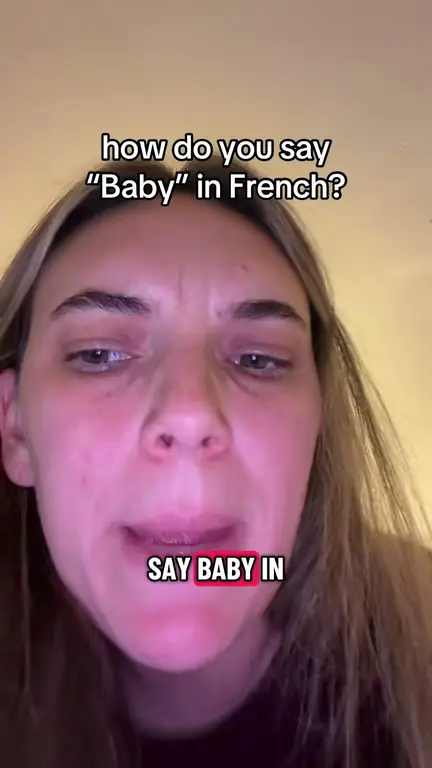 Learning French
- 112.3K likes
- 1.4K comments
- 128.7K shares
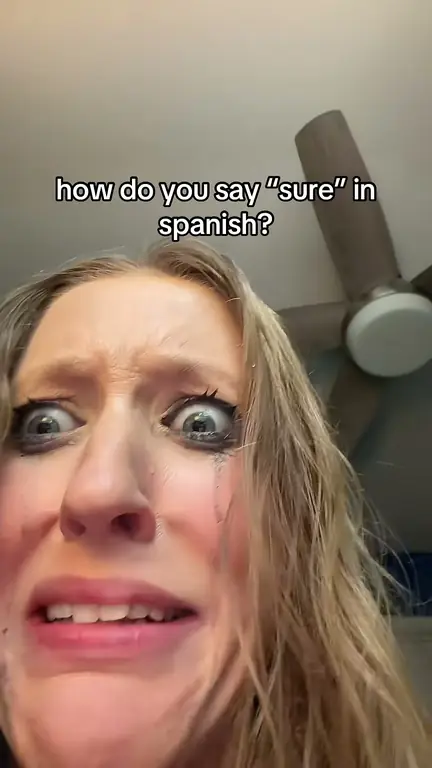 Learning Spanish
- 102.8K likes
- 737 comments
- 22.9K shares
Where will you use these words?
Pick one to start your plan. It takes about a minute.
Basic German words you'll use every day
Small words that show up in almost every conversation.
To say "not," use nicht: Das ist nicht gut (That's not good).
Capitalized, der Morgen means the morning, as in Guten Morgen (Good morning).
Learners film their Tooter practice
Real videos from Tooter creators practicing with their tutor. Public TikTok counts, October 26, 2026.
 Learning Korean
- 95.6K likes
- 1.5K comments
- 20.1K shares
 Learning Korean
- 9.3K likes
- 124 comments
- 912 shares
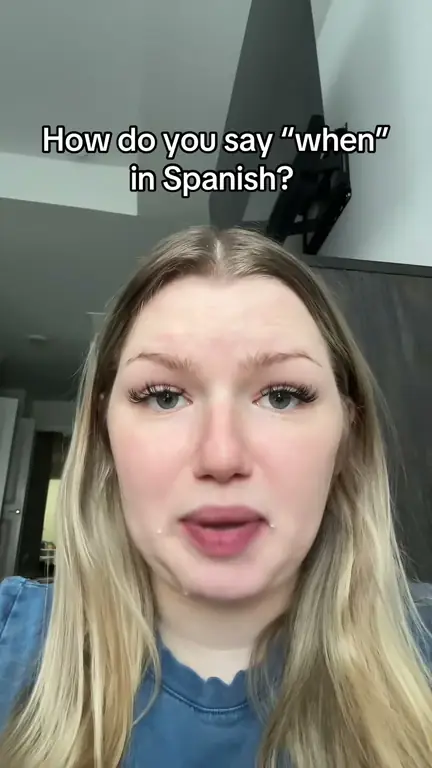 Learning Spanish
- 1.5K likes
- 31 comments
- 526 shares
 Learning Korean
- 3K likes
- 68 comments
- 412 shares
 Learning Korean
- 3.2K likes
- 44 comments
- 367 shares
 Learning Spanish
- 777 likes
- 26 comments
- 201 shares
Greetings and goodbyes
- HalloHello, hi
Works with almost anyone, any time of day.
- Guten MorgenGood morning
Until about 10 or 11 a.m.
- Guten TagHello, good day
Polite, from late morning on. Common in shops and offices.
- Guten AbendGood evening
From about 6 p.m.
- Wie geht's?How's it going?
Casual. Polite form: Wie geht es Ihnen?
- Freut michNice to meet you
- TschüssBye
The everyday casual goodbye. Also spelled Tschüs.
- Auf WiedersehenGoodbye
Polite, for shops, offices and people you don't know well.
- Bis späterSee you later
- Gute NachtGood night
Only when someone goes to bed or you leave late at night, never as a greeting.
Polite basics
- BittePlease
Also means "you're welcome" and "here you go" when you hand something over.
- DankeThank you
- Vielen DankThank you very much
- Gern geschehenYou're welcome
Often shortened to Gern or Gerne.
- EntschuldigungExcuse me, sorry
To get someone's attention, or for a small bump or mistake.
- Es tut mir leidI'm sorry
For real apologies and for sympathy.
- Kein ProblemNo problem
- Ich verstehe das nichtI don't understand
- Sprechen Sie Englisch?Do you speak English?
Polite form. With a friend: Sprichst du Englisch?
Questions
- Wie heißt du?What's your name?
Casual. Polite form: Wie heißen Sie?
- Woher kommst du?Where are you from?
Casual. Polite form: Woher kommen Sie?
- Wo ist die Toilette?Where is the restroom?
Signs often just say WC.
- Wie viel kostet das?How much does it cost?
- Wie spät ist es?What time is it?
- Was ist das?What is that?
- Was bedeutet...?What does ... mean?
- Wie sagt man ... auf Deutsch?How do you say ... in German?
- Können Sie bitte langsamer sprechen?Can you speak more slowly, please?
Polite form, good with anyone.
Food and ordering
- Einen Tisch für zwei, bitteA table for two, please
- Die Speisekarte, bitteThe menu, please
Often just die Karte. Das Menü usually means a set meal.
- Was empfehlen Sie?What do you recommend?
- Ich hätte gern...I would like...
Polite and safe for ordering anything.
- Ein Wasser, bitteA water, please
This usually gets you bottled water. Tap water is Leitungswasser.
- Ich bin Vegetarier / VegetarierinI'm vegetarian
Use Vegetarierin if you're a woman.
- Die Rechnung, bitteThe check, please
Zahlen, bitte (literally "Pay, please") is just as common.
- Zusammen oder getrennt?Together or separate?
The server asks this when you pay. Answer zusammen or getrennt.
- Es hat sehr gut geschmecktIt was delicious
Literally "It tasted very good."
Getting around
- Wo ist...?Where is...?
- nach rechtsto the right
- nach linksto the left
- geradeausstraight ahead
- Ist es weit?Is it far?
- der Bahnhofthe train station
The main station is der Hauptbahnhof, often written Hbf.
- die Bushaltestellethe bus stop
- die Fahrkartethe ticket
Das Ticket is common too.
- Ich habe mich verlaufenI'm lost
On foot. If you're driving: Ich habe mich verfahren.
- Können Sie bitte hier halten?Can you stop here, please?
To tell a taxi driver where to stop.
How to make German words stick
Learn every noun with its article
Learn der Tisch, die Tür, das Fenster, never just Tisch. The article tells you the gender, and you need it in almost every sentence.
Learn phrases, not single words
Wo ist der Bahnhof? teaches you a pattern you can reuse with any place: Wo ist die Toilette?, Wo ist das Hotel?
Practice one situation at a time
Learn the words for one scene (a café, a train station, meeting someone) and say them out loud until it feels easy. Tooter's tutors can play the server or the ticket agent for this.
Review a little every day
Go over yesterday's words before learning new ones. A few minutes of review keeps them from fading.
Say it out loud with a German tutor
Lifelike AI tutors play the other person and correct you as you speak. Pick one to start.
 Lenaconfidence-buildingPractice with Lena
 Annanatural correctionPractice with Anna
 Clarafluency-drivenPractice with Clara
 Miascenario-ledPractice with Mia
 Gretarhythm-awarePractice with Greta
 Lotteconversation-firstPractice with Lotte
 Hannahtravel-focusedPractice with Hannah
 Lukasscenario-ledPractice with Lukas
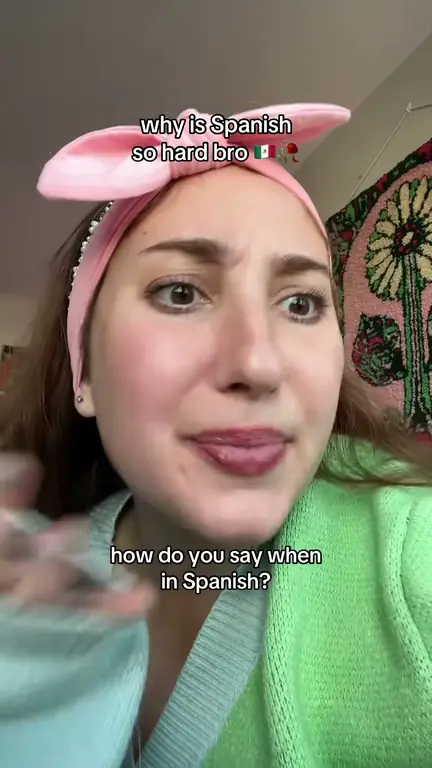 @learningwith.emma
 @learningwith.michelle
Questions learners ask
What are 20 basic German words?
Start with hallo (hello), tschüss (bye), ja (yes), nein (no), bitte (please), danke (thank you), Entschuldigung (excuse me), hier (here), da (there), jetzt (now), heute (today), morgen (tomorrow), Wasser (water), Toilette (restroom), Essen (food), gut (good), schlecht (bad), viel (a lot), wenig (a little) and wo (where).
What are the most common German words?
The words you hear most are short ones like der, die and das (the), und (and), in (in), ich (I), nicht (not), ein (a), zu (to), sein (to be) and haben (to have). They rarely mean much alone, so learn them inside phrases.
How many German words do I need to know?
You don't need thousands of words to start talking. A few hundred common words and phrases cover introductions, ordering food, shopping and asking for directions, and you can add more as your conversations grow.
What is German for "I'm sorry"?
Es tut mir leid is a real apology, and it also expresses sympathy. For small things like bumping into someone, say Entschuldigung, or simply Sorry, which Germans use too.
How do you say excuse me in German?
Say Entschuldigung to get someone's attention or after a small bump. Entschuldigen Sie, bitte is a little more polite. To get past someone, say Darf ich mal vorbei? (May I get by?).
What's a common German saying?
Ich verstehe nur Bahnhof (literally "I only understand train station") means it's all Greek to me. Das ist nicht mein Bier ("That's not my beer") means that's not my problem, and Daumen drücken ("pressing thumbs") is the German way to keep your fingers crossed.
Do Germans still use ß?
Yes. The ß (called Eszett or scharfes S) is used in Germany and Austria after long vowels and vowel pairs, as in Straße (street) and heißen (to be called). Switzerland writes ss instead, and ss is the accepted fallback when you can't type ß.
Why are German nouns capitalized?
German capitalizes every noun, not just names: der Tisch (the table), die Liebe (love). It helps you spot nouns while reading. The polite Sie (you) is capitalized too, which sets it apart from sie (she, they).
Use these words with a German tutor.
Answer a few quick questions, then practice out loud with a tutor.
Updated October 27, 2026. Tooter tutors are AI characters, not human teachers.