 Tooter
How to say sorry and excuse me in Spanish
I'm sorry in Spanish is lo siento (loh SYEHN-toh), for real apologies and sympathy. For small slips and excuse me, say perdón or disculpe, and say con permiso to get past someone. Lo siento mucho means I'm very sorry.
Practice it with a tutor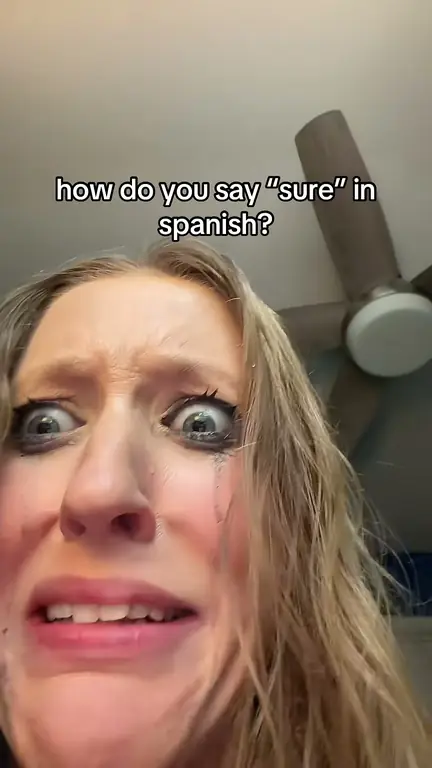 Learning Spanish
- 102.8K likes
- 737 comments
- 22.9K shares
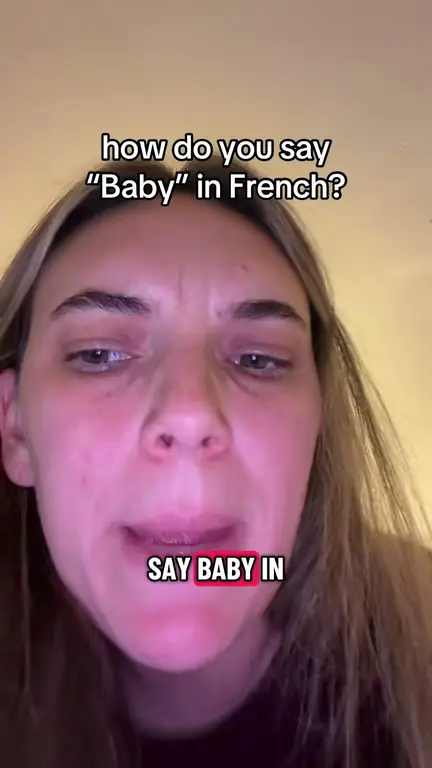 Learning French
- 112.3K likes
- 1.4K comments
- 128.7K shares
 Learning Korean
- 95.6K likes
- 1.5K comments
- 20.1K shares
Where might you need to apologize?
Pick one to start your plan. It takes about a minute.
Every way to say sorry
Lo siento is for regret. Perdón and disculpe are for small slips.
Real apologies, and sympathy when someone shares bad news.
A bigger mistake, or deep sympathy.
Small slips: bumping into someone, interrupting, a wrong number.
Tú form, with friends or people your age. With usted: perdone.
A personal apology to someone you know. With usted: perdóneme.
Tú form of disculpe, for friends and people your age.
Usted form, for strangers, staff and older people.
Warm and a little formal: for being late, a mix-up at work, a missed message.
Learners film their Tooter practice
Real videos from Tooter creators practicing with their tutor. Public TikTok counts, October 26, 2026.
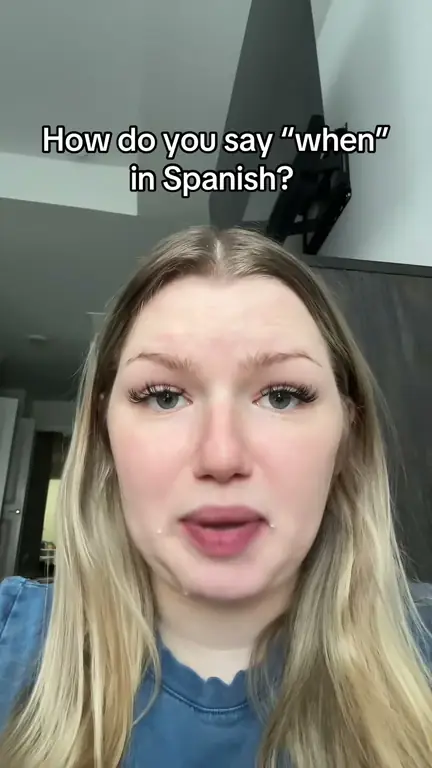 Learning Spanish
- 1.5K likes
- 31 comments
- 526 shares
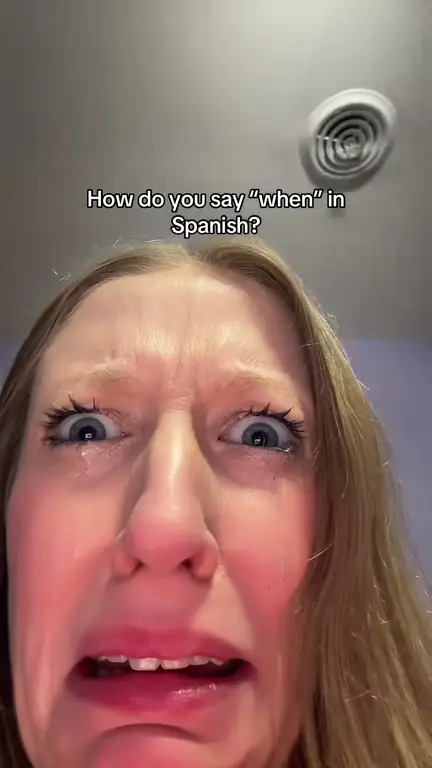 Learning Spanish
- 777 likes
- 26 comments
- 201 shares
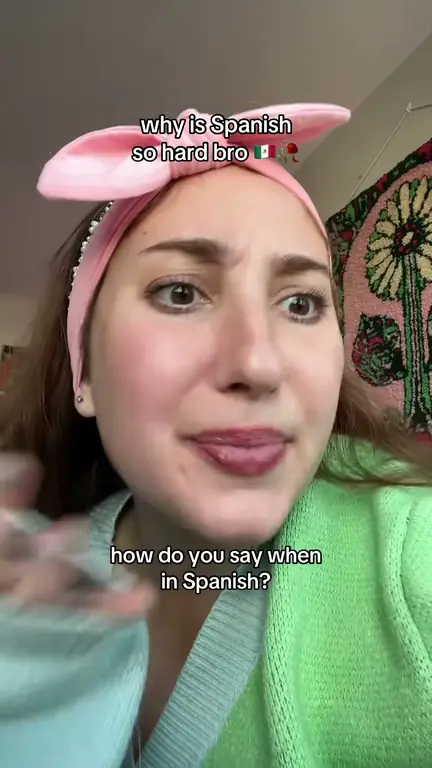 Learning Spanish
- 374 likes
- 10 comments
- 49 shares
 Learning German
- 26.9K likes
- 694 comments
- 3.9K shares
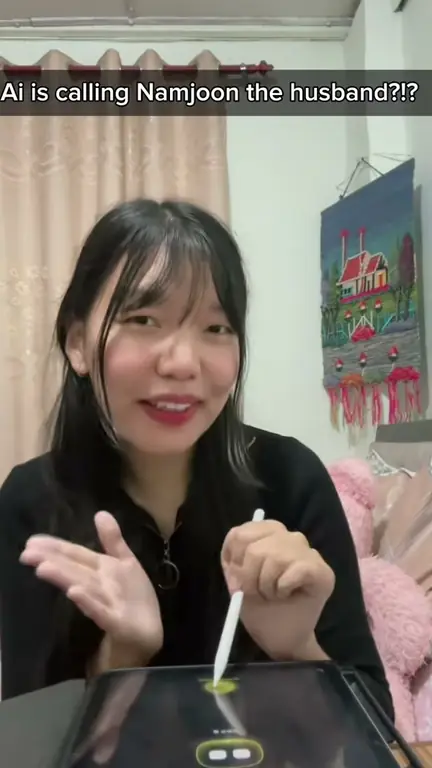 Learning Korean
- 9.3K likes
- 124 comments
- 912 shares
 Learning Korean
- 3K likes
- 68 comments
- 412 shares
Perdón, disculpe, con permiso or lo siento?
English uses sorry and excuse me for almost everything. Spanish picks the word by situation.
| Situation | Say | Why |
|---|---|---|
| Bumping into someone | Perdón | A quick, small slip |
| Getting past people | Con permiso | Asks to pass |
| Calling a waiter | Disculpe | Polite attention |
| Asking a stranger | Disculpe | Polite attention |
| Leaving the table | Con permiso | Excuses yourself |
| You didn't hear | ¿Perdón? | Asks them to repeat |
| A real mistake | Lo siento mucho | Real regret |
| Someone's bad news | Lo siento | Sympathy |
How to say excuse me in Spanish
Use these to get attention, get past someone, or ask someone to repeat.
- formalDisculpeExcuse me
To get a stranger's or a waiter's attention before you ask something.
- politeCon permisoExcuse me (may I pass?)
To get past people, leave the table or step into a room. In Mexico you may hear propio (granted) or pase (go ahead) in reply.
- casualPermisoExcuse me, coming through
The short form, for a crowded bus, market or doorway.
- polite¿Perdón?Sorry? Pardon?
When you didn't hear or understand something.
- casual¿Cómo?Sorry? What?
The everyday way to ask someone to repeat. A bare ¿qué? can sound blunt.
- polite¿Mande?Pardon? Yes?
Mexican. Used when you didn't catch something or when someone calls your name. Not used this way in most other countries.
Spilling coffee on someone
A crowded café, a full cup of coffee, and a stranger's shirt.
How to accept an apology
When someone says perdón or lo siento to you, pick one of these.
- casualNo pasa nadaIt's fine; no problem
Very common everywhere, for small slips.
- casualNo te preocupesDon't worry
Tú form. With usted: no se preocupe.
- politeEstá bienIt's okay
Simple and neutral, with anyone.
- politeNo hay problemaNo problem
Friendly, and fine with strangers.
- casualTranquiloDon't worry about it
To a man or a boy. Literally calm.
- casualTranquilaDon't worry about it
To a woman or a girl.
- casualTe perdonoI forgive you
For a real, personal apology, not a bumped elbow.
Pick the best reply
Three moments that call for sorry, or for accepting one. Say each reply out loud, then pick the one that fits. Every reply is correct Spanish; some just don't fit the moment.
Choosing and saying the right apology
Lo siento means I feel it
It comes from sentir, to feel. That's why it fits real regret and sympathy, but sounds too heavy for squeezing past someone.
Don't drop the lo
Yo siento alone means I feel, not I'm sorry. The apology is always lo siento, or siento plus what you regret: siento llegar tarde (sorry I'm late).
Use it for bad news too
When someone tells you something sad, say lo siento mucho. For a death, the set phrase is mi más sentido pésame (my deepest condolences).
Two quick beats
Siento is SYEHN-toh, two syllables. The ie is one glide, like the ye in yes. In perdón, stress the last syllable: pehr-DOHN.
Say it out loud with a Spanish tutor
Lifelike AI tutors play the other person and correct you as you speak. Pick one to start.
 Sofianatural correctionPractice with Sofia
 Luciafluency-drivenPractice with Lucia
 Valeriascenario-ledPractice with Valeria
 Albarhythm-awarePractice with Alba
 Carmenconversation-firstPractice with Carmen
 Claratravel-focusedPractice with Clara
 Martaculture-richPractice with Marta
 Elenaconfidence-buildingPractice with Elena
 @wallakpu.slowly.fluent
 @learningwith.michelle
Questions learners ask
What does lo siento mean in Spanish?
Lo siento means I'm sorry; literally, I feel it, from sentir (to feel). That's why it works both as an apology and as sympathy when someone shares bad news.
When do you say lo siento vs disculpe?
Lo siento is for real regret or sympathy. Disculpe is excuse me with a stranger: to get attention, ask a question or apologize for a small bother. Tooter's AI tutors correct mix-ups like this as you speak.
How do you say excuse me in Spanish?
Say disculpe to get a stranger's attention, con permiso to get past someone or leave the table, and perdón after a small bump. More everyday basics are on Spanish phrases for beginners.
What is the response to sorry in Spanish?
Say no pasa nada (it's fine), no te preocupes (don't worry) or está bien (it's okay). Tranquilo to a man and tranquila to a woman also mean don't worry about it.
How do Mexicans say sorry?
Perdón and lo siento, like everywhere else, with disculpe and con permiso for everyday politeness. ¿Mande? is the Mexican way to say sorry? when you didn't catch something.
What is yo siento in Spanish?
On its own, yo siento means I feel, and it isn't an apology. Say lo siento for I'm sorry, or siento plus what you regret, as in siento la demora (sorry for the delay).
How do you say sorry formally in Spanish?
Use the usted forms: disculpe, perdone or discúlpeme. At work or in writing, mil disculpas or le pido disculpas (I apologize) sound polished.
Does sorry change for a man or a woman in Spanish?
No. Lo siento, perdón and disculpe are the same whoever you speak to. What changes is tú or usted: disculpa to a friend, disculpe to a stranger.
Practice lo siento with a tutor.
Answer a few quick questions, then practice out loud with a tutor.
By the Tooter Editorial Team. Updated November 9, 2026. Tooter tutors are AI characters, not human teachers.