 Tooter
How to learn Spanish
To learn Spanish, start with pronunciation and the most common phrases, then speak out loud every day, even for 15 minutes. Add listening, one small grammar point at a time, and real conversations as early as you can.
Practice it with a tutor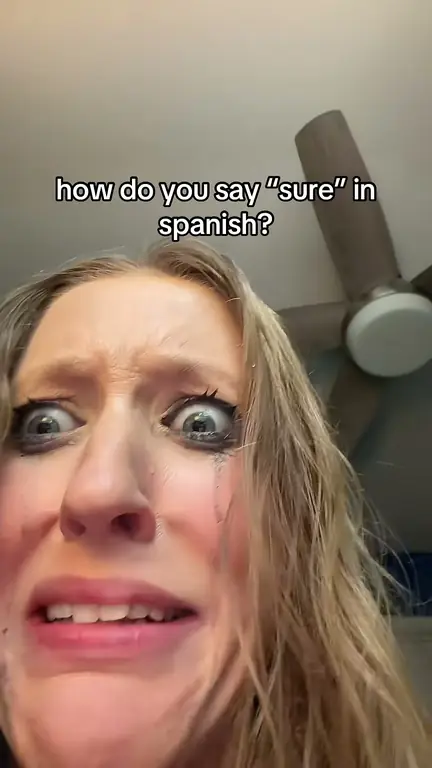 Learning Spanish
- 102.8K likes
- 737 comments
- 22.9K shares
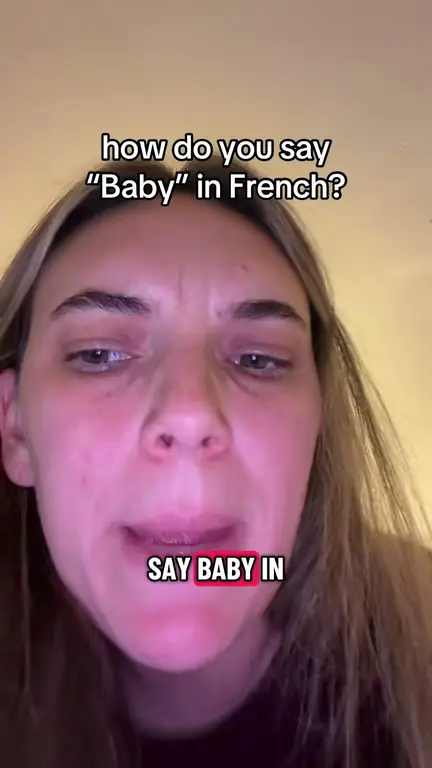 Learning French
- 112.3K likes
- 1.4K comments
- 128.7K shares
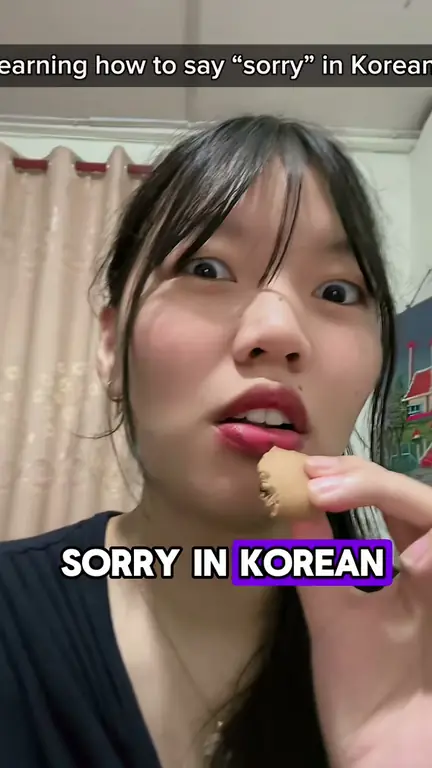 Learning Korean
- 95.6K likes
- 1.5K comments
- 20.1K shares
Where do you need Spanish most?
Pick one to start your plan. It takes about a minute.
What learning Spanish really takes
Learning Spanish is less about memorizing lists and more about building habits. You need four things working together: hearing a lot of Spanish, learning the most useful words and patterns, saying them out loud, and getting feedback on what you say.
The good news for English speakers: Spanish uses the same alphabet, shares thousands of words with English, and is spelled the way it sounds. The hard part is speed. Native speakers talk fast, and verbs change their endings all the time. Both get easier only through practice, so plan your time around listening and speaking, not just reading.
Decide early which Spanish to focus on. If you live in the US, Latin American Spanish (especially Mexican Spanish) is the one you will hear most. If you plan to live in Spain, learn vosotros (the plural "you all" used in Spain) and Spain's vocabulary. Either way, speakers from different countries understand each other easily, so you can't pick wrong.
Set a routine you can keep. Twenty minutes every day beats two hours on Sunday. Short, frequent sessions keep words fresh and keep you from freezing when you finally talk to someone.
Learners film their Tooter practice
Real videos from Tooter creators practicing with their tutor. Public TikTok counts, October 26, 2026.
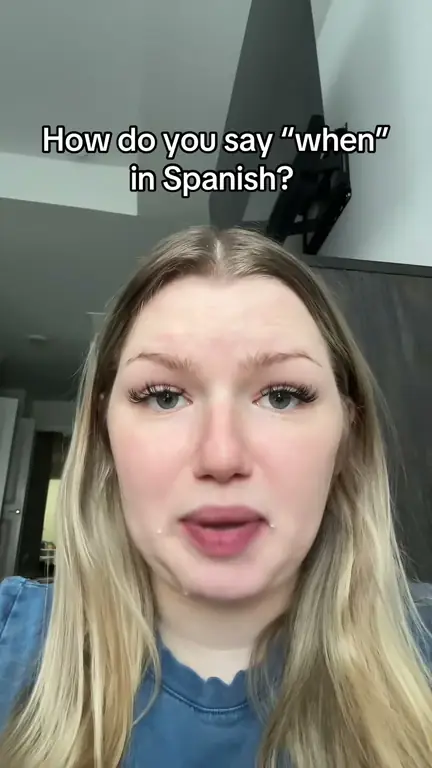 Learning Spanish
- 1.5K likes
- 31 comments
- 526 shares
 Learning Spanish
- 777 likes
- 26 comments
- 201 shares
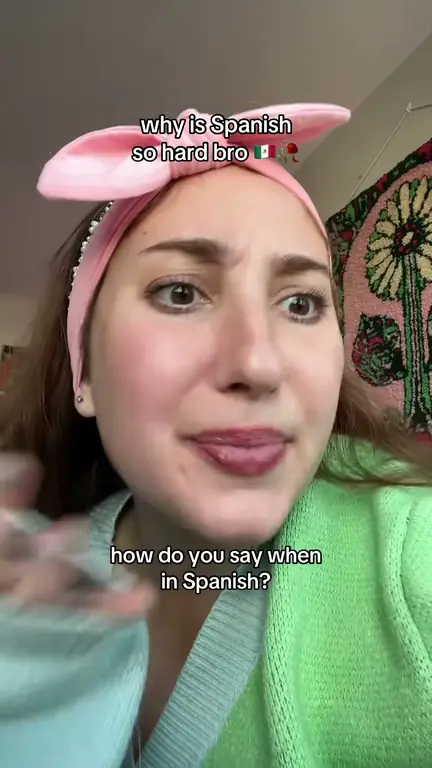 Learning Spanish
- 374 likes
- 10 comments
- 49 shares
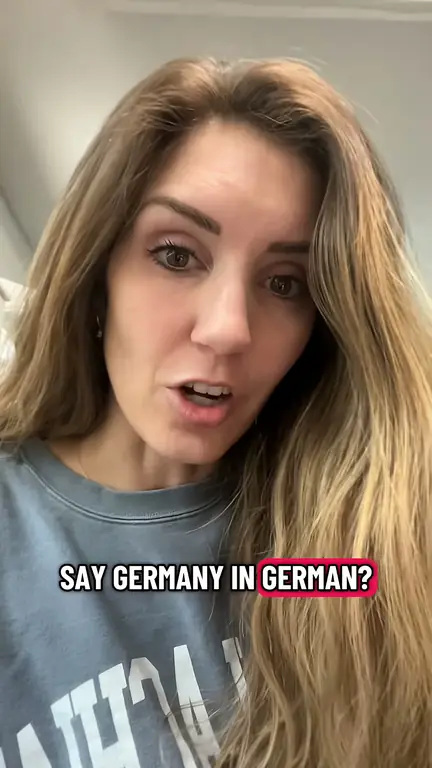 Learning German
- 26.9K likes
- 694 comments
- 3.9K shares
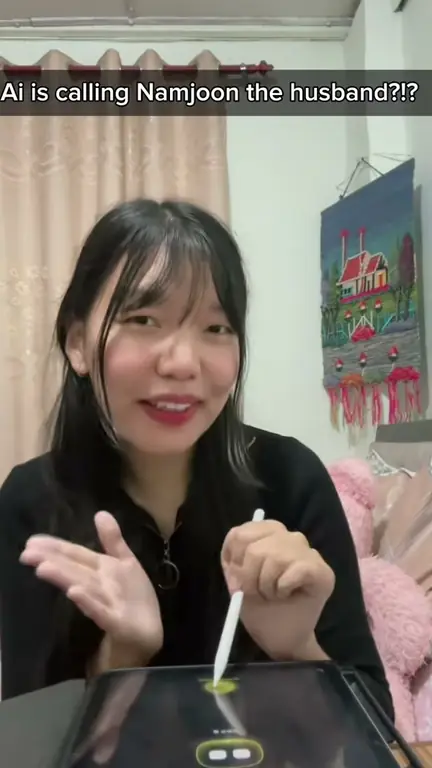 Learning Korean
- 9.3K likes
- 124 comments
- 912 shares
 Learning Korean
- 3K likes
- 68 comments
- 412 shares
A plan for your first three months
A realistic pace for someone practicing about 20 to 30 minutes a day.
Month 1: sounds and survival phrases
Learn the five vowels, the r and rr sounds, and the alphabet. Add about 100 high-frequency words and phrases: greetings, please and thank you, numbers to 100, days of the week, and questions like ¿Dónde está...? (Where is...?). Say everything out loud. Aim to introduce yourself and ask simple questions by the end of the month.
Month 2: the present tense and your own life
Learn the present tense of regular -ar, -er and -ir verbs plus the key irregular ones: ser, estar, tener, ir, hacer and querer. Build vocabulary around your life: family, work, food, your city. Start short speaking sessions, even five minutes, where you answer questions about yourself.
Month 3: plans, the past and real conversations
Add the near future (voy a + verb, "I'm going to") and the preterite, the past tense for finished actions (hablé, comí, viví). Practice telling short stories: what you did yesterday, your weekend plans. Speak several times a week and start listening to slow podcasts or shows with Spanish subtitles.
After three months
Expect to handle simple conversations slowly and with mistakes. That is normal and it is progress. Keep speaking, add the second past tense (the imperfect), and move your listening toward normal-speed Spanish.
Pronunciation and spelling
Spanish spelling is regular, so a little pronunciation work pays off everywhere.
Five vowels, always the same
a (ah), e (eh), i (ee), o (oh), u (oo). Keep them short and pure. English speakers tend to stretch vowels into "oh-oo" or "ay-ee," which is the main thing that makes Spanish sound American.
The r and the rr
A single r between vowels is a quick tap, like the tt in American "butter" (pero, but). The rr, and an r at the start of a word, is a rolled trill (perro, dog; rojo, red). If you can't roll it yet, keep practicing; people will still understand you.
Stress follows rules
Words ending in a vowel, n or s stress the second-to-last syllable (casa, hablan). Other words stress the last syllable (hablar, ciudad). An accent mark shows an exception (café, teléfono).
Spain sounds a bit different
In most of Spain, z and c before e or i sound like the th in "think," so gracias sounds like GRAH-thyahs. In Latin America they sound like s. Both are correct.
Grammar basics to learn first
Gender and articles
Every noun is masculine or feminine: el libro (the book), la casa (the house). Most words ending in -o are masculine and most ending in -a are feminine, with exceptions like el día (the day) and la mano (the hand). Learn each noun with its article.
Ser and estar
Both mean "to be." Use ser for identity and lasting traits (Soy Ana, I'm Ana; Soy de Texas, I'm from Texas). Use estar for location and states (Estoy cansado, I'm tired; Estoy en casa, I'm at home).
Tú, usted and vos
Tú is the casual "you" for friends, family and people your age. Usted is polite, for strangers, older people and service settings; when unsure, start with usted. In Argentina, Uruguay and parts of Central America, people use vos instead of tú.
Drop the pronoun
Verb endings already show who is speaking, so Spanish usually leaves out yo, tú and él. Hablo español (I speak Spanish) sounds more natural than Yo hablo español, unless you want emphasis.
Speaking and listening practice
Speak from week one
Say every new phrase out loud, then use it in a short conversation as soon as you can. A language partner, a teacher or an AI tutor like Tooter all work. What matters is answering in real time and getting corrected.
Shadowing
Play a short clip of a native speaker, pause, and repeat it, copying the rhythm and melody. Five minutes a day helps your accent and your speed.
Listen a little above your level
Try podcasts for learners, kids' shows, or a show you already know in English with Spanish audio and Spanish subtitles. You don't need every word; follow the main idea.
Read simple texts aloud
Graded readers, children's books and short news stories for learners all work. Reading aloud trains pronunciation and grammar at the same time.
Talk to yourself
Describe what you're doing: Estoy cocinando (I'm cooking), Voy al trabajo (I'm going to work). It's free, private and builds the habit of thinking in Spanish.
Common mistakes beginners make
Saying embarazada for embarrassed
Embarazada means pregnant. To say you're embarrassed, use Me da vergüenza or Qué vergüenza (How embarrassing).
Using ser for feelings
Soy aburrido means "I'm boring." Estoy aburrido means "I'm bored." Feelings and temporary states take estar.
Translating "I am hungry" word for word
Spanish uses tener (to have) for many states: Tengo hambre (I'm hungry), Tengo frío (I'm cold), Tengo treinta años (I'm thirty years old).
Waiting until you feel ready
Nobody feels ready to speak. Mistakes show you what to fix next, and most native speakers are patient with learners who try.
A simple weekly routine
About two and a half hours a week. Swap days around to fit your schedule.
| Day | What to do | Time |
|---|---|---|
| Monday | Learn 10 new words or phrases and say each one out loud in a sentence | 20 min |
| Tuesday | Speaking session: answer questions about yourself and your day | 15 min |
| Wednesday | Listen to a learner podcast or short video, then shadow one clip | 20 min |
| Thursday | Grammar: one small point (for example ser vs estar), then make five sentences | 20 min |
| Friday | Speaking session: role-play a real situation, like ordering food or asking directions | 15 min |
| Saturday | Read a short text aloud and review the week's words | 20 min |
| Sunday | Fun Spanish: a show, songs or a recipe in Spanish, or rest | 30 min |
Say it out loud with a Spanish tutor
Lifelike AI tutors play the other person and correct you as you speak. Pick one to start.
 Sofianatural correctionPractice with Sofia
 Luciafluency-drivenPractice with Lucia
 Valeriascenario-ledPractice with Valeria
 Albarhythm-awarePractice with Alba
 Carmenconversation-firstPractice with Carmen
 Claratravel-focusedPractice with Clara
 Martaculture-richPractice with Marta
 Elenaconfidence-buildingPractice with Elena
 @wallakpu.slowly.fluent
 @learningwith.michelle
Questions learners ask
How can I teach myself Spanish?
Pick a routine you can keep every day, learn the most common words and phrases first, and speak out loud from the start. Use free listening (podcasts, shows, music) and get regular speaking practice with feedback from a partner, a teacher or an AI tutor.
How long does it take to learn Spanish?
It depends on your hours of practice. The US Foreign Service Institute estimates about 30 weeks of full-time study (around 690 class hours) for English speakers to reach professional working ability. Simple conversations come much sooner with daily speaking practice.
What are 5 Spanish words to learn first?
Hola (hello), gracias (thank you), por favor (please), sí (yes) and no (no). Add ¿Dónde está...? (Where is...?) and you can already ask for help in a lot of situations.
How do you say 1, 2, 3, 4, 5, 6, 7, 8 in Spanish?
Uno, dos, tres, cuatro, cinco, seis, siete, ocho. Then come nueve (9) and diez (10).
What are 20 basic Spanish words?
Hola (hello), adiós (goodbye), sí (yes), no (no), por favor (please), gracias (thank you), agua (water), comida (food), casa (house), baño (bathroom), hoy (today), mañana (tomorrow), ahora (now), aquí (here), bueno (good), malo (bad), grande (big), pequeño (small), mucho (a lot) and poco (a little).
Do I need to learn vosotros?
Only if you plan to live in or travel mostly in Spain. Latin America uses ustedes for every plural "you," so most US learners can skip vosotros at first and learn to recognize it later.
What are 10 basic Spanish sentences?
Hola, ¿cómo estás? (Hi, how are you?), Me llamo... (My name is...), Mucho gusto (Nice to meet you), ¿Hablas inglés? (Do you speak English?), No entiendo (I don't understand), ¿Puedes repetir? (Can you repeat?), ¿Cuánto cuesta? (How much is it?), ¿Dónde está el baño? (Where is the bathroom?), Quiero un café, por favor (I'd like a coffee, please) and Gracias, adiós (Thanks, bye).
How many Spanish words should I learn per day?
A few you will actually use beats a long list you forget. Learn new words inside short phrases, say each one out loud in a sentence, and review them over the next days. Steady daily practice matters more than the exact number.
Start your first Spanish session today.
Answer a few quick questions, then practice out loud with a tutor.
Updated October 28, 2026. Tooter tutors are AI characters, not human teachers.