 Tooter
How to say how are you in Spanish
How are you in Spanish is ¿cómo estás? (KOH-moh ehs-TAHS) with friends and people your age, or ¿cómo está usted? with someone older or in a formal setting. A typical answer is bien, gracias, ¿y tú?
Practice it with a tutor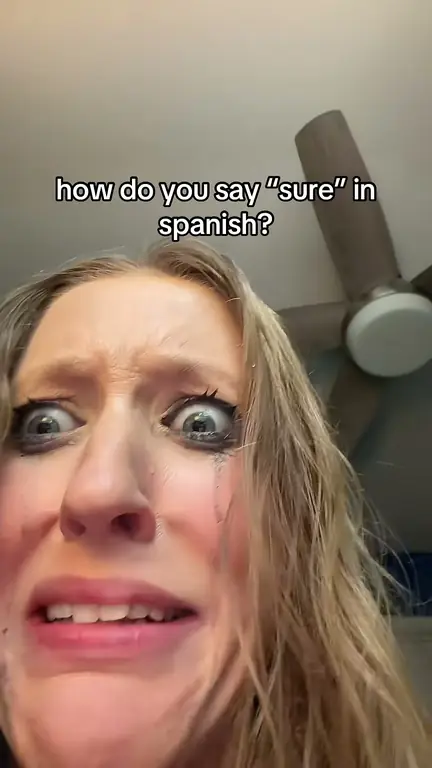 Learning Spanish
- 102.8K likes
- 737 comments
- 22.9K shares
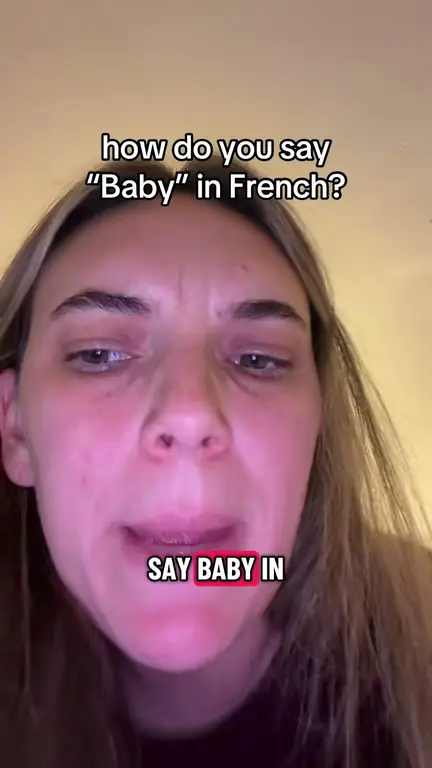 Learning French
- 112.3K likes
- 1.4K comments
- 128.7K shares
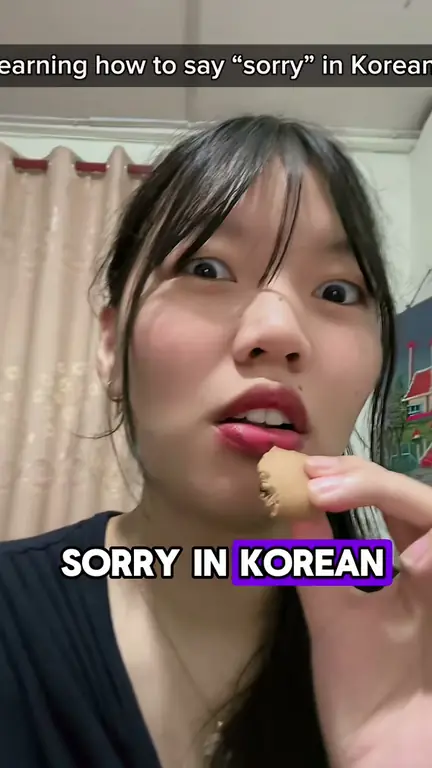 Learning Korean
- 95.6K likes
- 1.5K comments
- 20.1K shares
Where will you ask ¿cómo estás?
Pick one to start your plan. It takes about a minute.
Every way to ask how are you
Pick tú or usted first, then choose how casual you want to sound.
Friends, classmates, people your age.
Older people, officials, anyone you'd call sir or ma'am.
Works almost anywhere, even with acquaintances. Often after hola.
Friendly and relaxed.
The usted version of ¿cómo te va?
When you haven't seen someone in a while.
Mexico and Central America, among friends. Also common in Argentina and Chile.
Short for ¿qué hubo? (also spelled quihubo). Heard in Colombia, Mexico and Chile among friends.
Learners film their Tooter practice
Real videos from Tooter creators practicing with their tutor. Public TikTok counts, October 26, 2026.
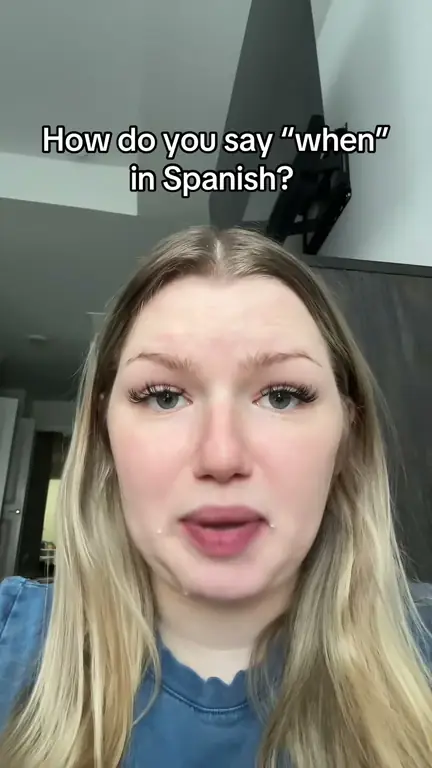 Learning Spanish
- 1.5K likes
- 31 comments
- 526 shares
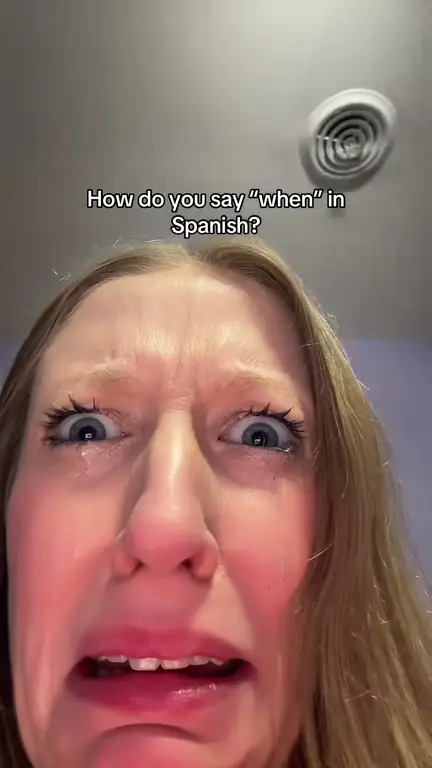 Learning Spanish
- 777 likes
- 26 comments
- 201 shares
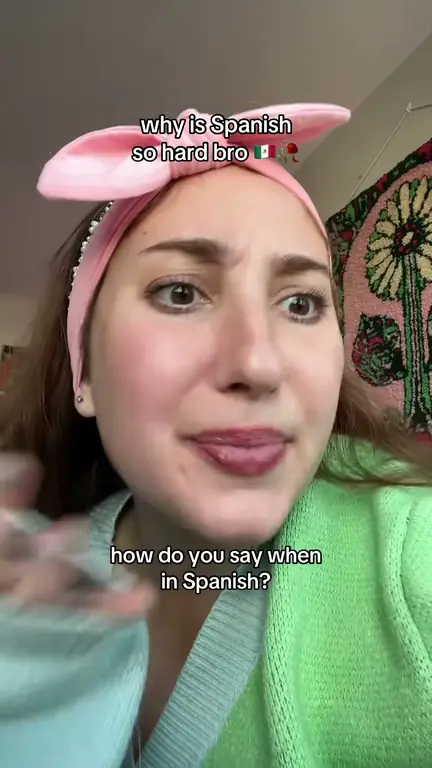 Learning Spanish
- 374 likes
- 10 comments
- 49 shares
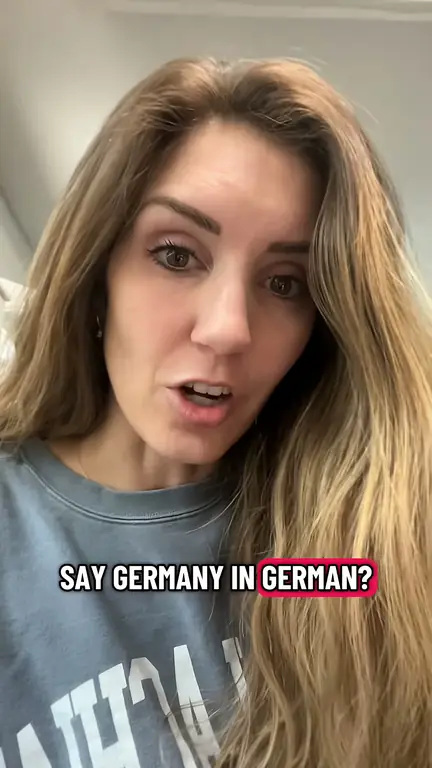 Learning German
- 26.9K likes
- 694 comments
- 3.9K shares
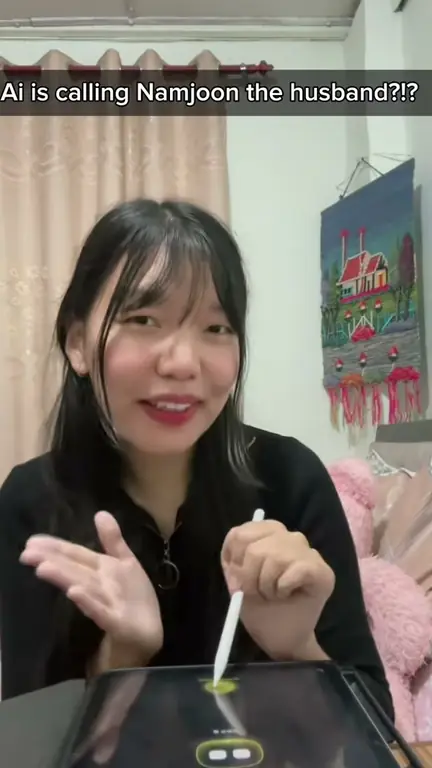 Learning Korean
- 9.3K likes
- 124 comments
- 912 shares
 Learning Korean
- 3K likes
- 68 comments
- 412 shares
Catching up with a coworker
Running into a colleague on a Friday morning.
Getting ¿cómo estás? right
Use estar for feelings
¿Cómo estás? uses estar, the verb for how you are right now. ¿Cómo eres? uses ser and asks what you're like as a person, which is a different question.
Choose tú or usted
Estás is for tú (casual), está is for usted (formal). If you're unsure with an older person, start with usted and let them invite you to use tú.
Mind the accent marks
Cómo and estás both take accents. Without one, esta means this, so ¿Cómo esta? is a spelling mistake.
Say estoy bien, not estoy bueno
Estoy bien means I'm fine. Estoy bueno is about looks (I'm hot) in many countries, so it can get a laugh.
How to answer
Give a short answer, then hand the question back.
- politeBien, gracias. ¿Y tú?Fine, thanks. And you?
The classic answer. With usted: ¿Y usted?
- politeMuy bien.Very well.
Upbeat and safe with anyone.
- casualTodo bien.All good.
Relaxed, for friends and coworkers.
- casualMás o menos.So-so.
Honest without going into detail. Expect a follow-up: ¿Qué pasó?
- casualAquí, tranquilo / tranquila.Oh, you know, taking it easy.
Common in Latin America. Tranquilo for a male speaker, tranquila for a female.
- casualUn poco cansado / cansada.A little tired.
Cansado for a male speaker, cansada for a female.
- casualNo muy bien, la verdad.Not great, to be honest.
For a friend who really wants to know.
Say it out loud with a Spanish tutor
Lifelike AI tutors play the other person and correct you as you speak. Pick one to start.
 Sofianatural correctionPractice with Sofia
 Luciafluency-drivenPractice with Lucia
 Valeriascenario-ledPractice with Valeria
 Albarhythm-awarePractice with Alba
 Carmenconversation-firstPractice with Carmen
 Claratravel-focusedPractice with Clara
 Martaculture-richPractice with Marta
 Elenaconfidence-buildingPractice with Elena
 @wallakpu.slowly.fluent
 @learningwith.michelle
Questions learners ask
How do you respond when someone asks how are you in Spanish?
Say bien, gracias, ¿y tú? (fine, thanks, and you?), or ¿y usted? to someone you address formally. A Tooter tutor will ask you this at the start of a chat, so you can practice answering out loud.
What does ¿cómo está? mean?
It means how are you? when you speak to someone as usted, the polite form. It can also mean how is he or how is she: ¿Cómo está tu mamá? (how's your mom?).
What can I say instead of estoy bien?
Try muy bien (very well), todo bien (all good), bastante bien (pretty good) or aquí, tranquilo (taking it easy). If things aren't great, más o menos (so-so) is honest and polite.
How do I reply when someone says estoy bien?
Say qué bueno (good to hear) or me alegro (I'm glad). Then keep the chat going with a question of your own.
Can I say estoy bueno?
Better not. Estoy bien means I'm fine, but estoy bueno is usually understood as I'm hot (good-looking). Use bien for how you feel.
What are all the ways to say you in Spanish?
Tú is casual and usted is formal. Vos replaces tú in Argentina, Uruguay and much of Central America, where you'll hear ¿cómo andás? For groups, Latin America uses ustedes (¿cómo están?) and Spain also uses vosotros (¿cómo estáis?) with friends.
How do Mexicans say hey, how are you?
Among friends, ¿qué onda? or ¿quiubo? With anyone else, hola, ¿cómo estás? or hola, ¿qué tal? To get someone's attention, oye means hey.
What does muy bien, ¿y tú? mean in English?
It means very well, and you? It's the classic reply to ¿cómo estás?, and it hands the question back politely.
Ask a tutor ¿cómo estás? today.
Answer a few quick questions, then practice out loud with a tutor.
Updated October 29, 2026. Tooter tutors are AI characters, not human teachers.