 Tooter
Common Spanish words and phrases
The most useful basic Spanish words are hola (hello), gracias (thank you), por favor (please), sí (yes), no (no) and ¿Dónde está...? (Where is...?). Learn them inside short phrases grouped by situation, and say each one out loud.
Practice it with a tutor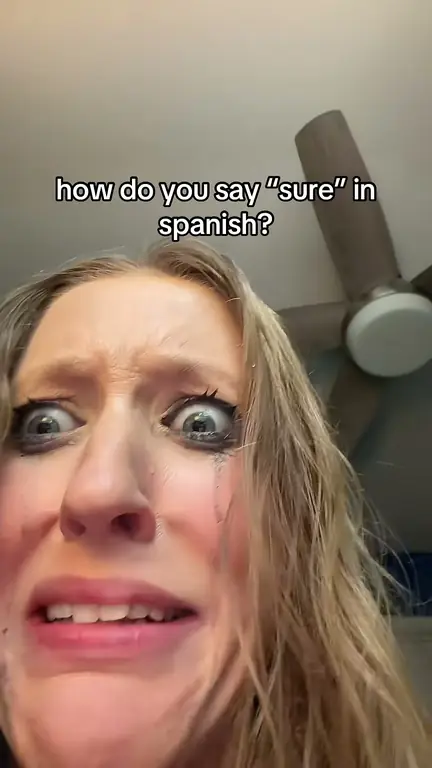 Learning Spanish
- 102.8K likes
- 737 comments
- 22.9K shares
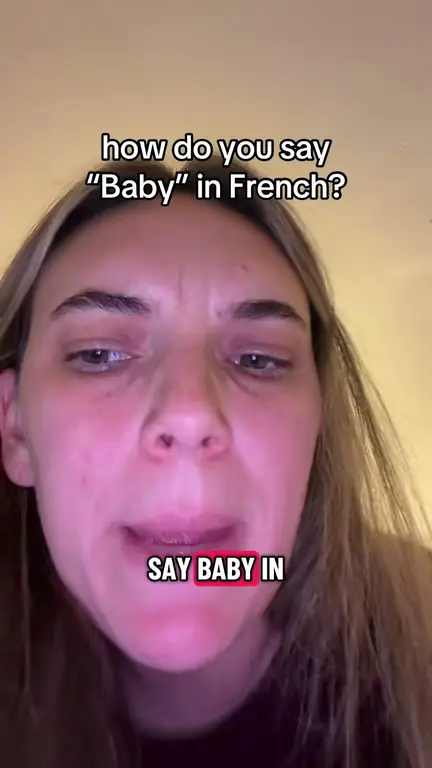 Learning French
- 112.3K likes
- 1.4K comments
- 128.7K shares
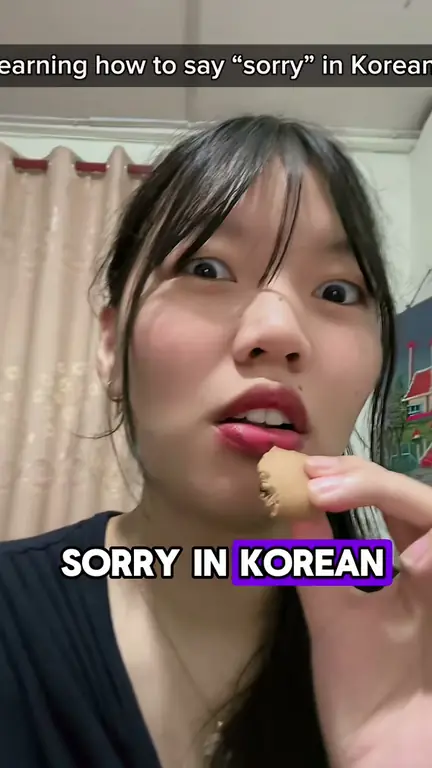 Learning Korean
- 95.6K likes
- 1.5K comments
- 20.1K shares
Where will you use these words?
Pick one to start your plan. It takes about a minute.
Basic Spanish words you'll use every day
Small words that show up in almost every conversation.
With an accent. Without it, si means "if."
Goes before a verb to make it negative: No sé (I don't know).
One tapped r. With a rolled rr, perro means dog.
Por la mañana means in the morning.
Learners film their Tooter practice
Real videos from Tooter creators practicing with their tutor. Public TikTok counts, October 26, 2026.
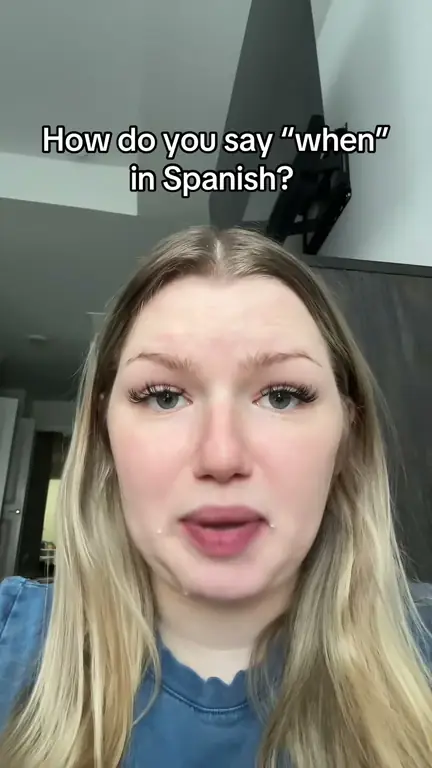 Learning Spanish
- 1.5K likes
- 31 comments
- 526 shares
 Learning Spanish
- 777 likes
- 26 comments
- 201 shares
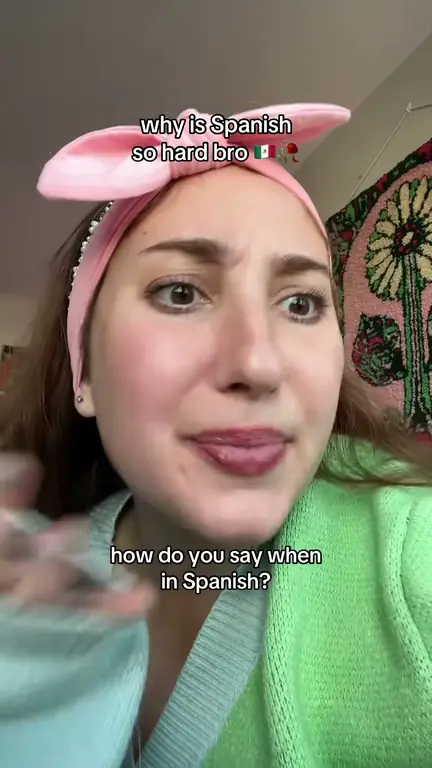 Learning Spanish
- 374 likes
- 10 comments
- 49 shares
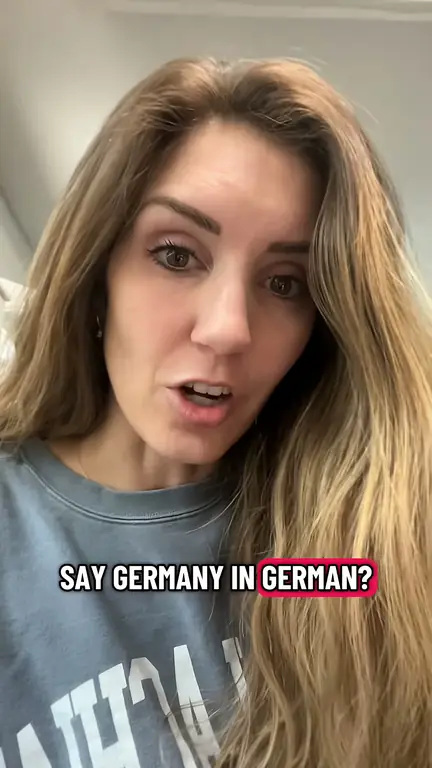 Learning German
- 26.9K likes
- 694 comments
- 3.9K shares
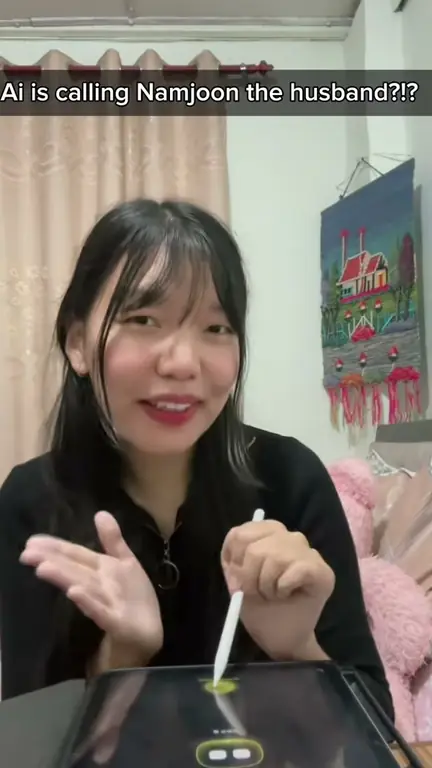 Learning Korean
- 9.3K likes
- 124 comments
- 912 shares
 Learning Korean
- 3K likes
- 68 comments
- 412 shares
Greetings and goodbyes
- HolaHello, hi
Works with anyone, any time of day.
- Buenos díasGood morning
Until about noon.
- Buenas tardesGood afternoon
From about noon until it gets dark.
- Buenas nochesGood evening, good night
After dark, both as a greeting and a goodbye.
- ¿Qué tal?How's it going?
Casual and friendly.
- Mucho gustoNice to meet you
- AdiósGoodbye
- Hasta luegoSee you later
The everyday goodbye, even if you won't see the person later.
- Nos vemosSee you
Polite basics
- Por favorPlease
- GraciasThank you
- Muchas graciasThank you very much
- De nadaYou're welcome
- PerdónSorry, excuse me
For small bumps and mistakes.
- DisculpeExcuse me
Polite way to get someone's attention, like a server or a stranger.
- Con permisoExcuse me (may I get by?)
When passing someone or leaving a room or table.
- Lo sientoI'm sorry
For real apologies and for sympathy.
- No entiendoI don't understand
- ¿Habla inglés?Do you speak English?
Polite form. With a friend: ¿Hablas inglés?
Questions
- ¿Cómo estás?How are you?
Casual. With someone older or a stranger: ¿Cómo está?
- ¿Cómo te llamas?What's your name?
Casual. Polite form: ¿Cómo se llama?
- ¿De dónde eres?Where are you from?
- ¿Dónde está el baño?Where is the bathroom?
- ¿Cuánto cuesta?How much does it cost?
- ¿Qué hora es?What time is it?
- ¿Qué significa...?What does ... mean?
- ¿Cómo se dice ... en español?How do you say ... in Spanish?
- ¿Puede hablar más despacio?Can you speak more slowly?
Polite form, good with anyone.
Food and ordering
- Una mesa para dos, por favorA table for two, please
- El menú, por favorThe menu, please
In Spain, ask for la carta. There, el menú usually means the fixed-price set meal (menú del día).
- ¿Qué me recomienda?What do you recommend?
- Quisiera...I would like...
Polite and safe for ordering anything.
- Agua, por favorWater, please
- Soy vegetariano / vegetarianaI'm vegetarian
Use vegetariana if you're a woman.
- Sin hielo, por favorNo ice, please
- La cuenta, por favorThe check, please
- Estuvo deliciosoIt was delicious
Getting around
- ¿Dónde está...?Where is...?
- a la derechato the right
- a la izquierdato the left
- todo derechostraight ahead
Common in Latin America. In Spain: todo recto.
- ¿Está lejos?Is it far?
- la parada de autobústhe bus stop
In Mexico a city bus is often called el camión.
- el boletothe ticket
Latin America. In Spain: el billete.
- Estoy perdido / perdidaI'm lost
Use perdida if you're a woman.
- Aquí, por favorHere, please
To tell a taxi driver where to stop.
How to make Spanish words stick
Learn phrases, not single words
¿Dónde está el baño? teaches you a pattern you can reuse with any place: ¿Dónde está la estación?, ¿Dónde está el hotel?
Say them out loud
Reading a list builds recognition. Saying words, ideally in a short conversation, is what makes them come out when you need them.
Practice one situation at a time
Learn the words for one scene (a café, a taxi, meeting someone) and run through it until it feels easy. Tooter's tutors can play the server or the driver for this.
Review a little every day
Go over yesterday's words before learning new ones. A few minutes of review keeps them from fading.
Say it out loud with a Spanish tutor
Lifelike AI tutors play the other person and correct you as you speak. Pick one to start.
 Sofianatural correctionPractice with Sofia
 Luciafluency-drivenPractice with Lucia
 Valeriascenario-ledPractice with Valeria
 Albarhythm-awarePractice with Alba
 Carmenconversation-firstPractice with Carmen
 Claratravel-focusedPractice with Clara
 Martaculture-richPractice with Marta
 Elenaconfidence-buildingPractice with Elena
 @wallakpu.slowly.fluent
 @learningwith.michelle
Questions learners ask
What are 20 basic Spanish words?
Start with hola (hello), adiós (goodbye), sí (yes), no (no), por favor (please), gracias (thank you), de nada (you're welcome), perdón (sorry), aquí (here), ahora (now), hoy (today), mañana (tomorrow), agua (water), baño (bathroom), comida (food), bueno (good), malo (bad), mucho (a lot), poco (a little) and dónde (where).
What are the most common Spanish words?
The words you hear most are short ones like de (of, from), el and la (the), que (that, what), y (and), en (in, on), un and una (a), no and por (for, by). They rarely mean much alone, so learn them inside phrases.
How many Spanish words do I need to know?
You don't need thousands of words to start talking. A few hundred common words and phrases cover introductions, ordering food, shopping and asking for directions, and you can add more as your conversations grow.
How do you say excuse me in Spanish?
Use disculpe to get someone's attention, con permiso to get past someone, and perdón for a small bump or mistake. With friends, disculpa (the casual form) works too.
Are Spanish words the same in Mexico and Spain?
Most are. A handful of everyday words differ: a ticket is boleto in Latin America and billete in Spain, a car is carro or auto in much of Latin America and coche in Spain, and juice is jugo or zumo.
How do you say thank you in Spanish?
Say gracias, or muchas gracias for extra thanks. The usual reply is de nada, you're welcome.
How do you say please in Spanish?
Say por favor. Put it at the start or end of a request: Un café, por favor (A coffee, please).
What is the difference between tú and usted?
Both mean you. Tú is informal, for friends, family and people your age. Usted is polite, for strangers, older people and formal settings.
Use these words with a Spanish tutor.
Answer a few quick questions, then practice out loud with a tutor.
Updated October 23, 2026. Tooter tutors are AI characters, not human teachers.