 Tooter
How to say you're welcome in Spanish
You're welcome in Spanish is de nada (deh NAH-dah), literally of nothing, and it works with anyone in every country. My pleasure is con gusto or con mucho gusto. For a polished reply to muchas gracias, say no hay de qué, or para servirle to a customer.
Practice it with a tutor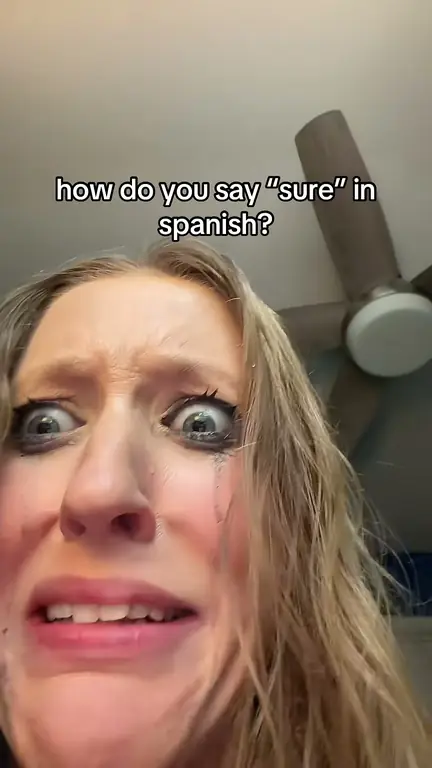 Learning Spanish
- 102.8K likes
- 737 comments
- 22.9K shares
 Learning French
- 112.3K likes
- 1.4K comments
- 128.7K shares
 Learning Korean
- 95.6K likes
- 1.5K comments
- 20.1K shares
Where will you say de nada?
Pick one to start your plan. It takes about a minute.
Every way to say you're welcome
De nada always works. The others show warmth, politeness or where you are.
The standard reply to gracias in every country, with anyone.
Roughly, there's nothing to thank me for. A little more polished than de nada.
Warm and very common in Colombia, Central America and Mexico.
A warmer con gusto. The classic reply in Costa Rica and much of Central America.
Polished, for work, clients and hosts. After the fact: fue un placer.
Usted form, typical of shop, hotel and restaurant staff in Latin America.
Especially common in Colombia and Venezuela, from shop staff and friends alike.
Same meaning as de nada. Common in much of Latin America.
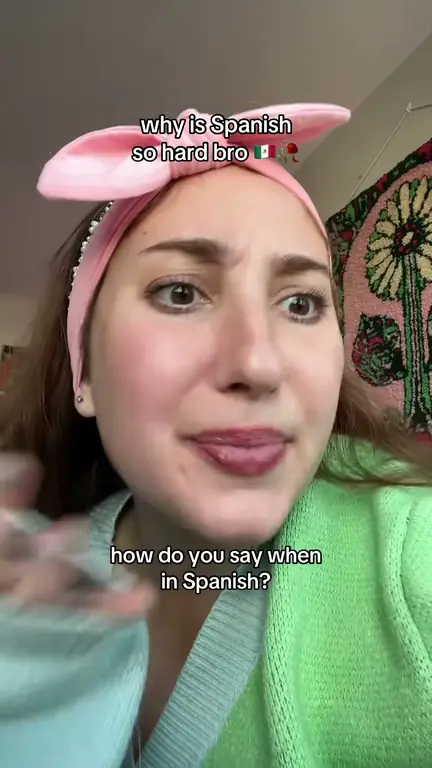
Learners film their Tooter practice
Real videos from Tooter creators practicing with their tutor. Public TikTok counts, October 26, 2026.
 Learning Spanish
- 1.5K likes
- 31 comments
- 526 shares
 Learning Spanish
- 777 likes
- 26 comments
- 201 shares
 Learning Spanish
- 374 likes
- 10 comments
- 49 shares
 Learning German
- 26.9K likes
- 694 comments
- 3.9K shares
 Learning Korean
- 9.3K likes
- 124 comments
- 912 shares
 Learning Korean
- 3K likes
- 68 comments
- 412 shares
Formal or casual, and where you'll hear it
None of these change for a man or a woman. What changes is how formal the moment is and which country you're in.
| Reply | Tone | Most common in |
|---|---|---|
| De nada | Any situation | Everywhere |
| No hay de qué | Polite | Everywhere |
| Por nada | Casual | Much of Latin America |
| Con gusto | Warm, polite | Colombia, Central America |
| Con mucho gusto | Warm, polite | Costa Rica, Mexico |
| A la orden | Friendly, service | Colombia, Venezuela |
| Para servirle | Formal, service | Latin America |
| Es un placer | Formal | Everywhere |
| Cuando quieras | Casual | Everywhere |
Helping a neighbor move
You're carrying boxes up the stairs for Paula, your new neighbor.
What to say when someone says muchas gracias
For a big thank you, a fuller reply sounds warmer than a quick de nada.
- casualNo es nadaIt's nothing
When the favor really was small. Past tense: no fue nada.
- casualNi lo mencionesDon't mention it
For a friend who keeps thanking you. With usted: ni lo mencione.
- casualCuando quierasAnytime
Offers to help again. With usted: cuando guste.
- casualPara eso están los amigosThat's what friends are for
Warm, after a real favor between friends.
- casualHoy por ti, mañana por míToday for you, tomorrow for me
A common saying: you'd do the same for me.
- casualGracias a tiThank you (I should thank you)
When the thanks goes both ways. With usted: gracias a usted.
Pick the best reply
A customer in your shop, a friend and a coworker thank you. Say each reply out loud, then pick the one that fits. Every reply is correct Spanish; some just don't fit the moment.
Using de nada naturally
Soften the d in nada
The d between vowels in nada is soft, close to the th in this. Say NAH-dah lightly, not with a hard American d.
Same for everyone
De nada, con gusto and no hay de qué don't change for a man, a woman or a group. Only phrases with usted shift: para servirle, cuando guste.
Mucho gusto is not you're welcome
Mucho gusto means nice to meet you. The reply to thanks is con gusto or con mucho gusto, with con.
Match the setting
With friends: de nada, por nada or cuando quieras. With customers, clients or older people: con mucho gusto, para servirle or es un placer.
Say it out loud with a Spanish tutor
Lifelike AI tutors play the other person and correct you as you speak. Pick one to start.
 Sofianatural correctionPractice with Sofia
 Luciafluency-drivenPractice with Lucia
 Valeriascenario-ledPractice with Valeria
 Albarhythm-awarePractice with Alba
 Carmenconversation-firstPractice with Carmen
 Claratravel-focusedPractice with Clara
 Martaculture-richPractice with Marta
 Elenaconfidence-buildingPractice with Elena
 @wallakpu.slowly.fluent
 @learningwith.michelle
Questions learners ask
How do you say my pleasure in Spanish?
Say con gusto or con mucho gusto, literally with pleasure. Es un placer (it's a pleasure) sounds a little more formal, and fue un placer means it was a pleasure.
How do you say you're very welcome in Spanish?
Spanish doesn't add very to de nada. Con mucho gusto (with great pleasure) and no hay de qué (don't mention it) carry the same warmth.
Is you're welcome different for a man or a woman?
No. De nada, con gusto and no hay de qué are the same for anyone. Only the formal usted phrases change, like para servirle or cuando guste.
What do you say when someone says muchas gracias?
De nada works, and so do no hay de qué, con mucho gusto and no fue nada (it was nothing). For a big favor, para eso están los amigos (that's what friends are for) sounds natural. Tooter's AI tutors role-play moments like this so the reply comes without thinking.
What does a la orden mean?
A la orden means at your service. In Colombia and Venezuela it's an everyday you're welcome, and shop staff also call it out to mean can I help you?
Does mucho gusto mean you're welcome?
No, mucho gusto means nice to meet you. You're welcome is con gusto or con mucho gusto, especially in Mexico, Central America and Colombia.
What is the difference between de nada and por nada?
They mean the same thing: it was nothing. De nada is used everywhere, while por nada is common in much of Latin America and sounds a little more casual.
How do you say thank you and you're welcome in Spanish?
Thank you is gracias and you're welcome is de nada. For more ways to thank someone, see how to say thank you in Spanish.
Say de nada to a tutor today.
Answer a few quick questions, then practice out loud with a tutor.
By the Tooter Editorial Team. Updated November 9, 2026. Tooter tutors are AI characters, not human teachers.