 Tooter
How to say how are you in Korean
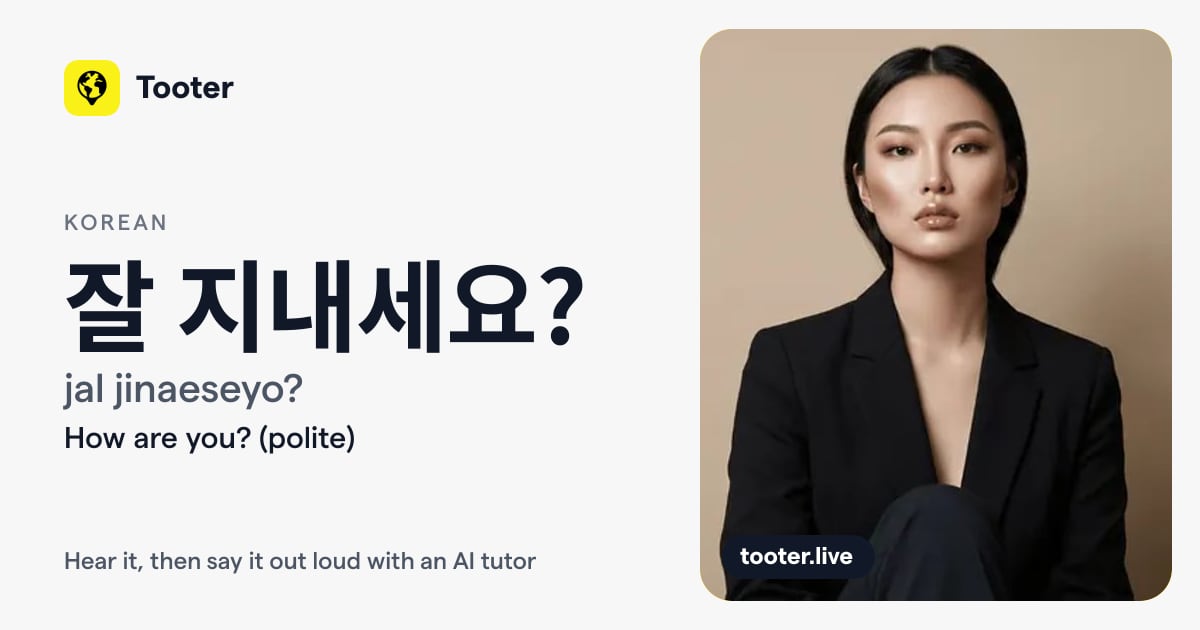
To ask how are you in Korean, say 잘 지내세요? (jal jinaeseyo?), literally are you doing well? With a friend, say 잘 지내? (jal jinae?). The usual answer is 잘 지내요 (jal jinaeyo), I'm doing well.
Practice it with a tutor Learning Korean
- 95.6K likes
- 1.5K comments
- 20.1K shares
 Learning French
- 112.3K likes
- 1.4K comments
- 128.7K shares
 Learning Spanish
- 102.8K likes
- 737 comments
- 22.9K shares
Who will you check in with?
Pick one to start your plan. It takes about a minute.
Every way to ask how are you
Koreans don't ask how are you every time they say hello. These questions are for people you haven't seen for a while, or real check-ins.
Are you doing well? Best with someone you don't see daily.
After some time apart. Very common.
Extra respect for elders, teachers and clients.
Close friends and family.
Invites a longer answer about your life lately.
A caring check-in, often around mealtimes. Answer honestly.
When someone looks tired, sick or upset, not as a daily greeting.
Friends checking in.
Learners film their Tooter practice
Real videos from Tooter creators practicing with their tutor. Public TikTok counts, October 26, 2026.
 Learning Korean
- 9.3K likes
- 124 comments
- 912 shares
 Learning Korean
- 3K likes
- 68 comments
- 412 shares
 Learning Korean
- 3.2K likes
- 44 comments
- 367 shares
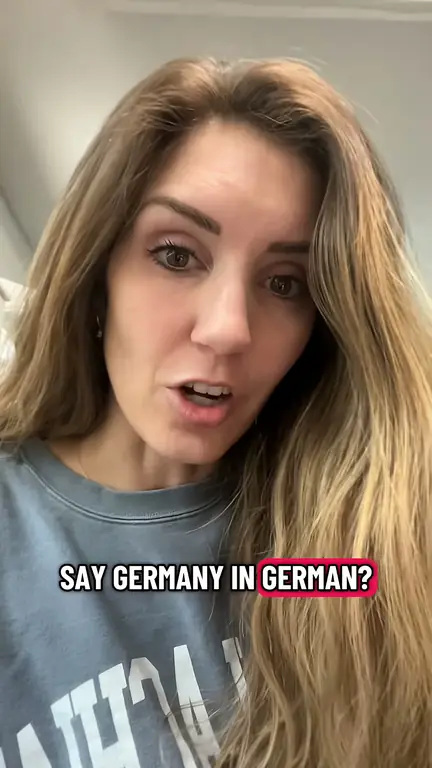 Learning German
- 26.9K likes
- 694 comments
- 3.9K shares
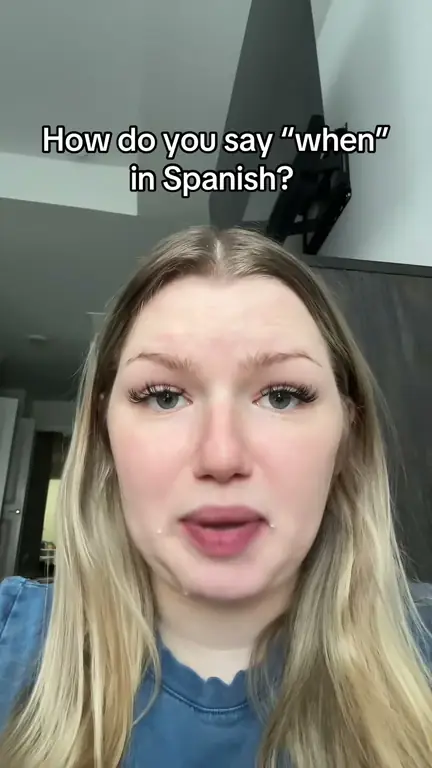 Learning Spanish
- 1.5K likes
- 31 comments
- 526 shares
 Learning Spanish
- 777 likes
- 26 comments
- 201 shares
Which Korean how are you to use
잘 지내세요? (jal jinaeseyo?) asks how are you in polite Korean, best with someone you don't see every day. Don't use it on a coworker you saw yesterday; elders get 잘 지내셨어요? and close friends 잘 지냈어?
| Situation | Korean | Romanization |
|---|---|---|
| Friend you see often | 별일 없지? | byeollil eopji? |
| Friend after a while | 잘 지냈어? | jal jinaesseo? |
| Coworker after a break | 잘 지냈어요? | jal jinaesseoyo? |
| Elder, teacher, client | 잘 지내셨어요? | jal jinaesyeosseoyo? |
| Someone looks unwell | 괜찮아요? | gwaenchanayo? |
| Around a mealtime | 밥 먹었어요? | bap meogeosseoyo? |
Catching up with a friend
You run into someone you haven't seen in a few weeks.
How to answer how are you in Korean
If someone asks 잘 지내세요? (jal jinaeseyo, how are you?) in Korean, answer 잘 지내요 (jal jinaeyo), I'm doing well, or 그냥 그래요 (geunyang geuraeyo) for so-so. Friends can reply 응, 괜찮아.
- polite잘 지내요jal jinaeyoI'm doing well
- polite그냥 그래요geunyang geuraeyoSo-so
- polite좀 바빠요jom bappayoA bit busy
- polite저도요jeodoyoMe too
- casual나도nadoMe too
- casual응, 괜찮아eung, gwaenchanaYeah, I'm fine
Pick the best reply
Three check-ins. Say each reply out loud, then pick the one that fits. Every reply is correct Korean; some just don't fit the moment.
How to pronounce 잘 지내세요
In Korean, 잘 지내세요? sounds like jal-ji-nae-se-yo, five quick beats with a light rise at the end. The romanization jal jinaeseyo uses ae for a sound like the e in bed; said with a falling tone, it means take care.
Say it as one phrase
jal-ji-nae-se-yo, with a light rise at the end for a question. The ㄹ in 잘 is a soft l, and 지 is close to "chee" but softer.
내 rhymes with bed
The vowel in 내 (nae) is the e in bed, not the a in day, so the middle of the phrase is ji-neh. 세요 ends with the same short e: seh-yo.
Don't overuse it
For a daily hello, 안녕하세요 is enough. Asking 잘 지내세요? to a coworker you saw yesterday sounds odd.
Bounce the question back
Add 는요 to a name or 저도 for me too: 소연 씨는요? (and you, Soyeon?) and 저도 잘 지내요 (I'm doing well too).
Statement or question?
With a falling tone, 잘 지내세요 is a goodbye that means take care. Your intonation tells people which one you mean.
Say it out loud with a Korean tutor
Lifelike AI tutors play the other person and correct you as you speak. Pick one to start.
 Minjiconversation-firstPractice with Minji
 Hanatravel-focusedPractice with Hana
 Jisooculture-richPractice with Jisoo
 Yunaconfidence-buildingPractice with Yuna
 Soranatural correctionPractice with Sora
 Jiwoofluency-drivenPractice with Jiwoo
 Nariscenario-ledPractice with Nari
 Sujinrhythm-awarePractice with Sujin
 @learningwith.emma
 @learningwith.michelle
Questions learners ask
What does jal jinaeseyo mean?
잘 지내세요 (jal jinaeseyo) literally means are you living well? Asked with a rising tone, it means how are you. Said with a falling tone as you part, it means take care.
How do you say how are you formally in Korean?
Say 잘 지내셨어요? (jal jinaesyeosseoyo?), have you been well?, which adds honorific respect. You can also say 안녕하셨어요? (annyeonghasyeosseoyo?) to an elder you haven't seen for a while.
How do you say I'm fine in Korean?
Say 잘 지내요 (jal jinaeyo), I'm doing well, or 괜찮아요 (gwaenchanayo), I'm okay. With friends, drop the 요: 잘 지내 or 괜찮아.
How do I reply to gwaenchana?
괜찮아? (gwaenchana?) means are you okay? If you are, say 응, 괜찮아 (eung, gwaenchana), yeah, I'm fine. Politely, say 네, 괜찮아요 (ne, gwaenchanayo).
How do you say long time no see in Korean?
Say 오랜만이에요 (oraenmanieyo) politely or 오랜만이야 (oraenmaniya) with a friend. People usually follow it with 잘 지냈어요?, have you been well?
Can I just say annyeong?
Only with close friends, family and kids. 안녕 (annyeong) is a casual hi. With anyone else, say 안녕하세요 (annyeonghaseyo), as explained in hello in Korean.
Why do Koreans ask if you have eaten?
밥 먹었어요? (bap meogeosseoyo?) is a warm way of asking how someone is doing. It is a real question too, so a simple 네, 먹었어요 (ne, meogeosseoyo), yes, I ate, is a fine answer.
How can I practice small talk in Korean?
Ask and answer these questions out loud until they feel automatic. A Tooter tutor can play an old friend you run into and correct you as you speak.
Ask 잘 지내세요? to a tutor today.
Answer a few quick questions, then practice out loud with a tutor.
By the Tooter Editorial Team. Updated November 22, 2026. Tooter tutors are AI characters, not human teachers. Romanization follows Revised Romanization.