 Tooter
How to say how are you in German
How are you in German is Wie geht's? (vee GAYTS), short for Wie geht es dir? and used with friends. With strangers, customers and older people, say Wie geht es Ihnen? Reply Gut, danke, und dir? or, formally, Gut, danke, und Ihnen? Germans expect an honest answer.
Practice it with a tutor Learning German
- 26.9K likes
- 694 comments
- 3.9K shares
 Learning French
- 112.3K likes
- 1.4K comments
- 128.7K shares
 Learning Spanish
- 102.8K likes
- 737 comments
- 22.9K shares
Who will you ask wie geht's?
Pick one to start your plan. It takes about a minute.
Every way to say how are you
German splits these by du (friends, family, kids) and Sie (strangers, work, older people).

The everyday question among friends and colleagues on du terms.
Full form, to one person you call du.
To someone you call Sie.
To two or more friends.
Na is a friendly opener, like well or so.
Young people and close friends.
Learners film their Tooter practice
Real videos from Tooter creators practicing with their tutor. Public TikTok counts, October 26, 2026.
 Learning Korean
- 95.6K likes
- 1.5K comments
- 20.1K shares
 Learning Korean
- 9.3K likes
- 124 comments
- 912 shares
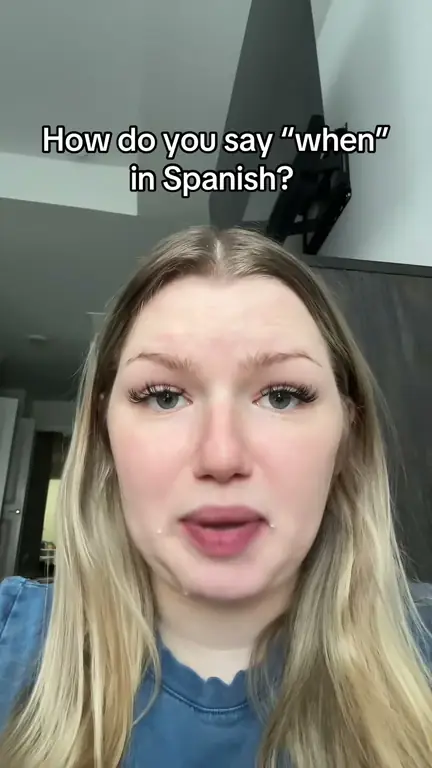 Learning Spanish
- 1.5K likes
- 31 comments
- 526 shares
 Learning Korean
- 3K likes
- 68 comments
- 412 shares
 Learning Korean
- 3.2K likes
- 44 comments
- 367 shares
 Learning Spanish
- 777 likes
- 26 comments
- 201 shares
Wie geht's or wie geht es Ihnen?
Wie geht's? (how are you?) is the casual German question for friends and colleagues you call du. With strangers, older people and at work, ask wie geht es Ihnen? instead, and turn it back with und Ihnen?
| German | Who with | Reply ends with |
|---|---|---|
| Wie geht's? | Friends, colleagues | Und dir? |
| Wie geht es dir? | One friend | Und dir? |
| Wie geht es euch? | A group of friends | Und euch? |
| Wie geht es Ihnen? | Strangers, elders, work | Und Ihnen? |
| Was geht? | Close friends | Nicht viel. |
Running into an old friend
You bump into Lukas at the bakery. You haven't seen each other in months.
How to answer wie geht's
The usual reply to wie geht's? in German is gut, danke, und dir? (good, thanks, and you?), or und Ihnen? with someone you call Sie. Germans often give an honest answer, so ganz gut or es geht is fine too.
- casualGut, danke. Und dir?Good, thanks. And you?
- formalGut, danke. Und Ihnen?Good, thanks. And you?
- politeSehr gut!Very good!
- casualMir geht's super!I'm doing great!
- casualGanz gutPretty good
Ganz softens here: fine, not amazing.
- casualEs gehtSo-so
Literally "it goes." Geht so means the same.
- casualNicht so gutNot so good
Expect a follow-up: Was ist los? (What's wrong?)
- casualPasst schonIt's all right
Common in southern Germany and Austria.
Pick the best reply
Three people ask how you are. Say each reply out loud, then pick the one that fits. Every reply is correct German; some just don't fit the moment.
How to pronounce wie geht's
Wie geht's, German for how are you, sounds like vee GAYTS in one beat. The w is an English v, ie is a long ee, the h in geht is silent, and the final ts replaces a dropped es.
Say it as one beat
Wie geht's sounds like vee GAYTS. The ts at the end is the apostrophe swallowing es, so don't add a vowel.
W is v, ie is ee
Wie is vee: German w is an English v and ie is always a long ee. In geht, the e is long like the ay in day, and the h is silent.
It's a real question
Wie geht's isn't a passing hello. Germans ask people they know and expect an answer, so a cashier won't ask and a friend may tell you about their week.
Du or Sie decides the ending
Answer und dir? to du and und Ihnen? to Sie. Ihnen is always capitalized in writing when it means you.
Ganz gut is only pretty good
Ganz usually means completely, but in ganz gut it softens the answer to fine. For very good, say sehr gut.
Say it out loud with a German tutor
Lifelike AI tutors play the other person and correct you as you speak. Pick one to start.
 Lenaconfidence-buildingPractice with Lena
 Annanatural correctionPractice with Anna
 Clarafluency-drivenPractice with Clara
 Miascenario-ledPractice with Mia
 Gretarhythm-awarePractice with Greta
 Lotteconversation-firstPractice with Lotte
 Hannahtravel-focusedPractice with Hannah
 Lukasscenario-ledPractice with Lukas
 @learningwith.emma
 @learningwith.michelle
Questions learners ask
How do you say how are you in German?
Say Wie geht's? (vee GAYTS) to friends and Wie geht es Ihnen? to people you call Sie. Wie geht es dir? is the full casual form.
How do you respond to wie geht's?
Gut, danke. Und dir? is the standard answer. Es geht or geht so means so-so, and nicht so gut means not so good.
Is wie geht's formal or informal?
It's casual. With strangers, older people or at work when you use Sie, say Wie geht es Ihnen?
What does es geht mean?
Es geht means so-so, things are OK but not great. Geht so is the same answer.
What does alles klar mean?
Alles klar means all clear. As a question, alles klar? is a casual how's everything; as an answer, it means all good or got it.
What does was geht mean?
Was geht? means what's up. It's slang among young people and close friends; answer nicht viel (not much).
Do Germans ask how are you to strangers?
Rarely. Shop staff greet you with hallo or guten Tag, but wie geht's is kept for people you know.
How can I practice how are you in German?
Ask and answer out loud, in both du and Sie. Tooter's German tutors can play a colleague or an old friend and correct your replies as you speak.
Practice wie geht's with a tutor.
Answer a few quick questions, then practice out loud with a tutor.
By the Tooter Editorial Team. Updated November 19, 2026. Tooter tutors are AI characters, not human teachers.