 Tooter
Son in Spanish and other family words
Son in Spanish is hijo (EE-hoh), and daughter is hija. Hijos means sons or children. Other key family words are primo and prima (cousin), tío (uncle), tía (aunt), esposo or marido (husband) and esposa (wife).
Practice it with a tutor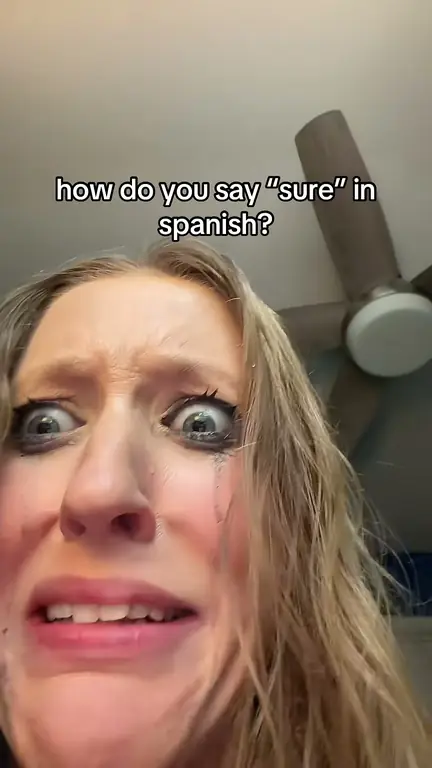 Learning Spanish
- 102.8K likes
- 737 comments
- 22.9K shares
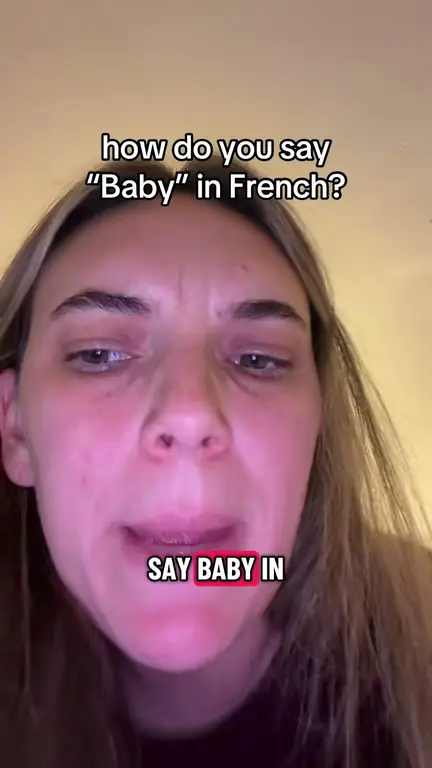 Learning French
- 112.3K likes
- 1.4K comments
- 128.7K shares
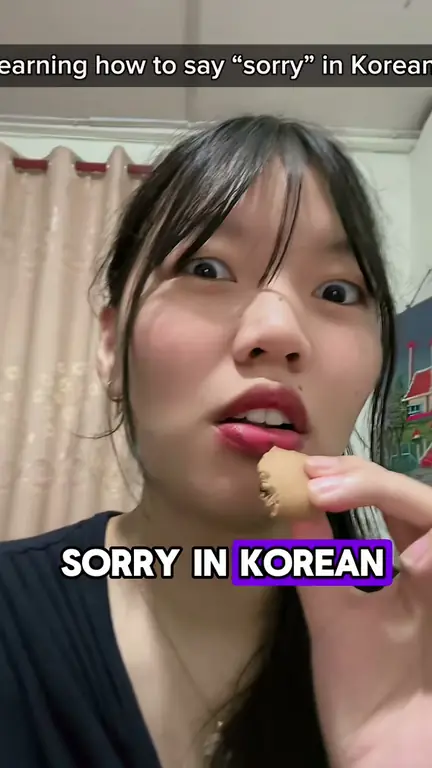 Learning Korean
- 95.6K likes
- 1.5K comments
- 20.1K shares
Where will you talk about family?
Pick one to start your plan. It takes about a minute.
Close family in Spanish
Most family words have a male form in -o and a female form in -a. The masculine plural covers a mixed group.
| English | Male | Female | Plural |
|---|---|---|---|
| Father, mother | padre | madre | padres (parents) |
| Dad, mom | papá | mamá | papás (parents) |
| Son, daughter | hijo | hija | hijos (children) |
| Brother, sister | hermano | hermana | hermanos (siblings) |
| Grandparent | abuelo | abuela | abuelos |
| Grandchild | nieto | nieta | nietos |
| Husband, wife | esposo | esposa | esposos (couple) |
| Boyfriend, girlfriend | novio | novia | novios (couple) |
Learners film their Tooter practice
Real videos from Tooter creators practicing with their tutor. Public TikTok counts, October 26, 2026.
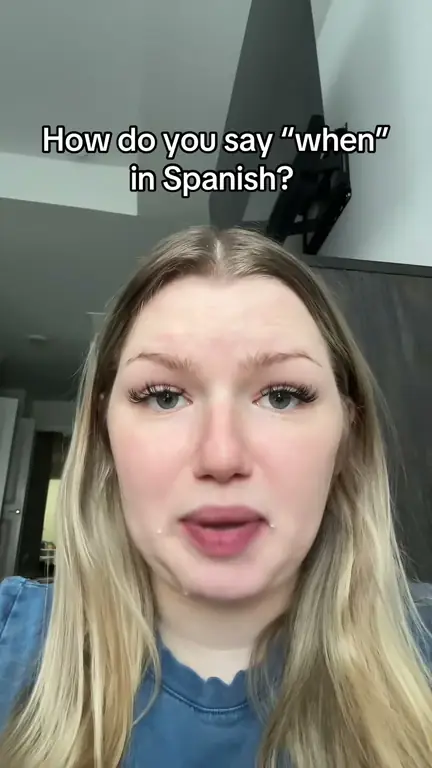 Learning Spanish
- 1.5K likes
- 31 comments
- 526 shares
 Learning Spanish
- 777 likes
- 26 comments
- 201 shares
 Learning Spanish
- 374 likes
- 10 comments
- 49 shares
 Learning German
- 26.9K likes
- 694 comments
- 3.9K shares
 Learning Korean
- 9.3K likes
- 124 comments
- 912 shares
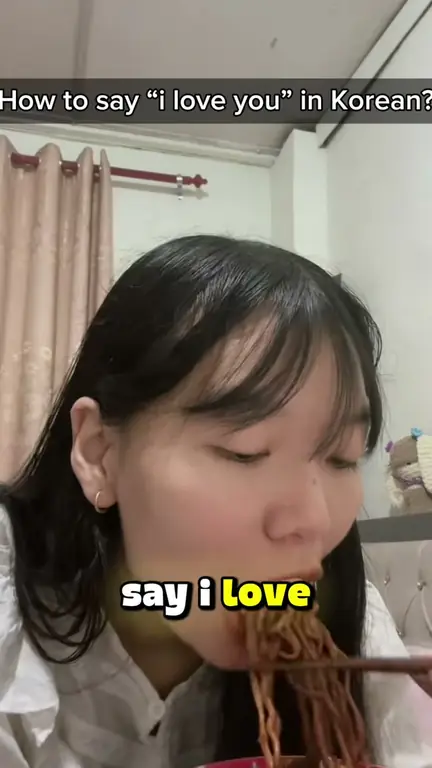 Learning Korean
- 3K likes
- 68 comments
- 412 shares
Aunts, uncles, cousins and in-laws
| English | Male | Female | Plural |
|---|---|---|---|
| Uncle, aunt | tío | tía | tíos |
| Cousin | primo | prima | primos |
| Nephew, niece | sobrino | sobrina | sobrinos |
| Parent-in-law | suegro | suegra | suegros (in-laws) |
| Child-in-law | yerno | nuera | yernos, nueras |
| Sibling-in-law | cuñado | cuñada | cuñados |
| Stepparent | padrastro | madrastra | padrastros |
| Stepchild | hijastro | hijastra | hijastros |
| Half sibling | medio hermano | media hermana | medios hermanos |
| Great-grandparent | bisabuelo | bisabuela | bisabuelos |
| Godparent | padrino | madrina | padrinos |
Everyday and affectionate family words
What families actually call each other at home. Several of these are regional, so the notes say where.
Short for mi hijo. Very common in Mexico and much of Latin America, from parents and grandparents, and sometimes from older people to any young man.
Short for mi hija, used the same way for a girl or young woman.
Warm and affectionate, for a son of any age. For a daughter: hijita.
The -ita ending adds warmth. Grandpa is abuelito.
As common as esposo, especially in Spain.
Normal in Spain and some other places; mujer also means woman. Mi esposa is the safest choice everywhere.
A neutral word for a partner, married or not.
False friend: it means relatives, not parents. Familiares means the same.
Talking about your family
- Esta es mi familia.This is my family.
- ¿Tienes hijos?Do you have children?
With usted: ¿Tiene hijos?
- Tengo un hijo y una hija.I have a son and a daughter.
- Mi hijo tiene tres años.My son is three years old.
- Mi hija vive en Texas.My daughter lives in Texas.
- Mi esposa es de Colombia.My wife is from Colombia.
- Mis tíos viven cerca.My aunt and uncle live nearby.
Tíos can mean uncles, or aunts and uncles together.
- Mi prima vive en México.My cousin lives in Mexico.
Prima because the cousin is a woman.
Pick the best reply
Valeria is getting to know you. Say each reply out loud, then pick the one that fits. Every reply is correct Spanish; some just don't answer the question.
Say these family sentences out loud
Play each sentence, record yourself, then listen back. Recordings stay in your browser and aren't scored.
Your recording stays on this device and isn't scored. In the app, your tutor listens and corrects you as you speak.
Tips for using family words
The masculine plural covers everyone
Padres means parents, hermanos can mean brothers or brothers and sisters, and hijos means children. Context tells you which.
Son is also a Spanish verb
In Spanish, son means they are or you all are: Ellos son mis primos (They are my cousins). The English word son is hijo.
Tío can mean dude in Spain
Among friends in Spain, tío and tía are also slang for guy or girl, a bit like dude. Elsewhere they mostly mean uncle and aunt.
Mi for one, mis for several
Mi goes before one person and mis before several: mi tía (my aunt), mis tías (my aunts). Describing your family to a Tooter AI tutor is a quick way to practice these endings out loud.
Say it out loud with a Spanish tutor
Lifelike AI tutors play the other person and correct you as you speak. Pick one to start.
 Sofianatural correctionPractice with Sofia
 Luciafluency-drivenPractice with Lucia
 Valeriascenario-ledPractice with Valeria
 Albarhythm-awarePractice with Alba
 Carmenconversation-firstPractice with Carmen
 Claratravel-focusedPractice with Clara
 Martaculture-richPractice with Marta
 Elenaconfidence-buildingPractice with Elena
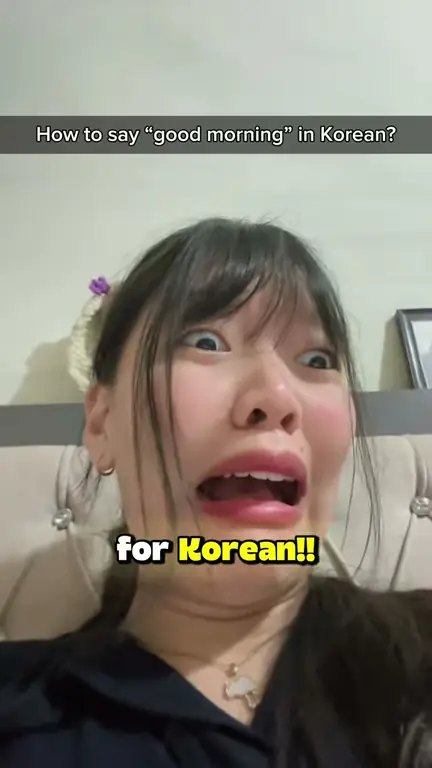 @wallakpu.slowly.fluent
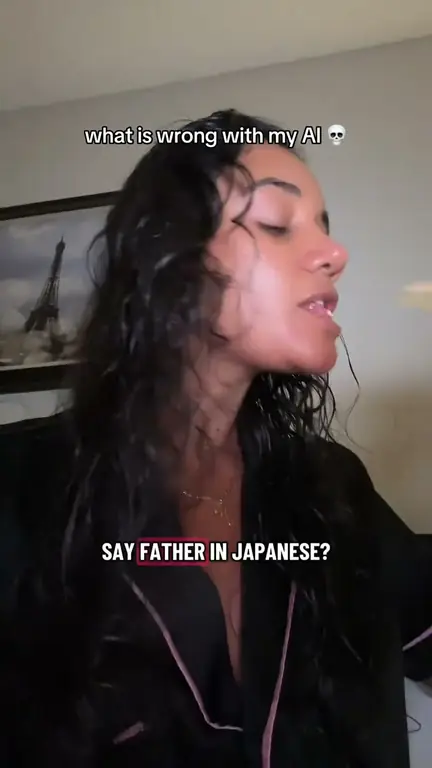 @learningwith.michelle
Questions learners ask
How do you say son in Spanish?
Son is hijo (EE-hoh, the h is silent). Daughter is hija, my son is mi hijo, and my daughter is mi hija.
What is the plural of hijo?
Hijos. It means sons, or children of both genders: ¿Tienes hijos? (Do you have children?). Only daughters is hijas.
What does mijo mean?
Mijo is an affectionate short form of mi hijo (my son), very common in Mexico and much of Latin America; mija is the female form. For little son, say hijito.
What does son mean in Spanish?
Son is a form of the verb ser (to be): ellos son (they are), ustedes son (you all are). It has nothing to do with the English word son.
How do you say cousin in Spanish?
Primo for a male cousin and prima for a female cousin. Primos means cousins in general, and primo hermano or prima hermana means first cousin.
How do you say aunt and uncle in Spanish?
Aunt is tía and uncle is tío. Tíos means uncles, or aunts and uncles together, as in mis tíos (my aunt and uncle).
How do you say husband and wife in Spanish?
Husband is esposo or marido, and wife is esposa. Mi esposo (my husband) and mi esposa (my wife) are understood everywhere.
How do you say daughter in Spanish?
Daughter is hija (EE-hah). My daughter is mi hija, and an affectionate way to say it is mija or hijita.
Tell a tutor about your family.
Answer a few quick questions, then practice out loud with a tutor.
By the Tooter Editorial Team. Updated November 12, 2026. Tooter tutors are AI characters, not human teachers.