 Tooter
Basic Korean words and phrases
The most useful basic Korean words are 안녕하세요 (annyeonghaseyo, hello), 감사합니다 (gamsahamnida, thank you), 네 (ne, yes), 아니요 (aniyo, no) and 주세요 (juseyo, please give me). Learn them as whole polite phrases and you can greet people, order and ask for help.
Practice it with a tutor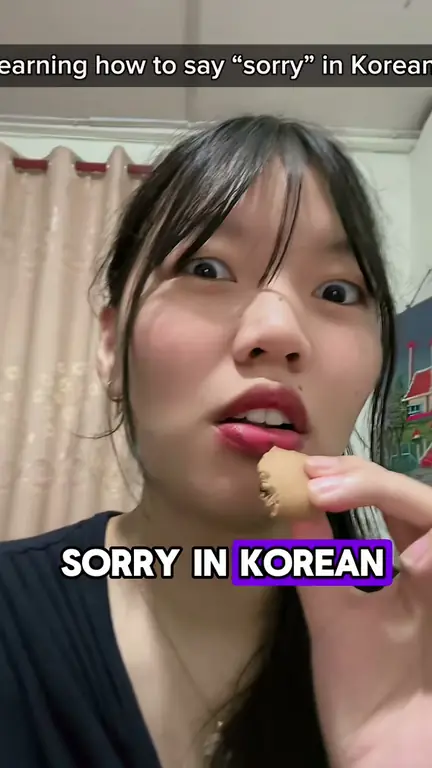 Learning Korean
- 95.6K likes
- 1.5K comments
- 20.1K shares
 Learning French
- 112.3K likes
- 1.4K comments
- 128.7K shares
 Learning Spanish
- 102.8K likes
- 737 comments
- 22.9K shares
Where will you use these phrases?
Pick one to start your plan. It takes about a minute.
Greetings and goodbyes
Works with almost anyone, any time of day.
The usual "how are you" with someone you have not seen for a while.
A friendly check-in, often used like "how are you".
Learners film their Tooter practice
Real videos from Tooter creators practicing with their tutor. Public TikTok counts, October 26, 2026.
 Learning Korean
- 9.3K likes
- 124 comments
- 912 shares
 Learning Korean
- 3K likes
- 68 comments
- 412 shares
 Learning Korean
- 3.2K likes
- 44 comments
- 367 shares
 Learning German
- 26.9K likes
- 694 comments
- 3.9K shares
 Learning Spanish
- 1.5K likes
- 31 comments
- 526 shares
 Learning Spanish
- 777 likes
- 26 comments
- 201 shares
Polite basics
- formal감사합니다gamsahamnidaThank you
The safe default with staff, strangers and older people.
- polite고마워요gomawoyoThanks
Warmer and a little less formal. Fine with people you know.
- formal죄송합니다joesonghamnidaI'm sorry
- polite미안해요mianhaeyoI'm sorry
Softer, for small things with people you know.
- formal실례합니다sillyehamnidaExcuse me
Before interrupting or asking a stranger something.
- polite잠깐만요jamkkanmanyoJust a moment / Excuse me
Also what you say to squeeze past people on a crowded subway.
- polite네neYes
- polite아니요aniyoNo
- polite괜찮아요gwaenchanayoIt's okay / I'm fine / No, thanks
Very flexible. With a wave of the hand, it politely declines an offer.
- polite천만에요cheonmaneyoYou're welcome
Textbook standard. In daily life many people just say 아니에요 (anieyo), "not at all."
Questions and when you are stuck
- polite이름이 뭐예요?ireumi mwoyeyo?What's your name?
- polite어디에서 왔어요?eodieseo wasseoyo?Where are you from?
- polite이게 뭐예요?ige mwoyeyo?What is this?
- polite얼마예요?eolmayeyo?How much is it?
- polite영어 할 줄 아세요?yeongeo hal jul aseyo?Do you speak English?
- polite무슨 뜻이에요?museun tteusieyo?What does it mean?
- polite다시 말해 주세요dasi malhae juseyoPlease say that again
- polite천천히 말해 주세요cheoncheonhi malhae juseyoPlease speak slowly
- polite잘 모르겠어요jal moreugesseoyoI'm not sure / I don't know
- polite한국어 조금 해요hangugeo jogeum haeyoI speak a little Korean
Food and ordering
- polite메뉴 주세요menyu juseyoThe menu, please
- polite이거 주세요igeo juseyoThis one, please
Point and say it. Works in restaurants and shops.
- polite물 주세요mul juseyoWater, please
- polite맵지 않게 해 주세요maepji anke hae juseyoNot spicy, please
- formal잘 먹겠습니다jal meokgetseumnidaThank you for the meal (before eating)
Literally "I will eat well." Said before a meal, especially when someone else made or paid for it.
- polite맛있어요!masisseoyo!It's delicious!
- formal잘 먹었습니다jal meogeotseumnidaThank you for the meal (after eating)
- polite계산해 주세요gyesanhae juseyoThe check, please
- casual밥 먹자!bap meokja!Let's eat!
With friends. Politely: 같이 먹어요 (gachi meogeoyo), "let's eat together."
Getting around
- polite화장실이 어디예요?hwajangsiri eodiyeyo?Where is the restroom?
- polite지하철역이 어디예요?jihacheollyeogi eodiyeyo?Where is the subway station?
- polite여기로 가 주세요yeogiro ga juseyoPlease take me here
Say it to a taxi driver while showing an address.
- polite얼마나 걸려요?eolmana geollyeoyo?How long does it take?
- polite여기서 내려 주세요yeogiseo naeryeo juseyoPlease let me off here
- 왼쪽oenjjokLeft
- 오른쪽oreunjjokRight
- 직진jikjinStraight ahead
Feelings and reactions
- polite좋아요joayoGood / I like it
- polite진짜요?jinjjayo?Really?
- polite배고파요baegopayoI'm hungry
- polite피곤해요pigonhaeyoI'm tired
- polite재미있어요jaemiisseoyoIt's fun / It's interesting
- polite사랑해요saranghaeyoI love you
- slang대박!daebak!Awesome! / No way!
Very common with friends. Avoid it in formal settings.
- casual화이팅!hwaiting!You can do it! / Go for it!
From English "fighting." The standard spelling is 파이팅 (paiting); both are common.
How to learn these phrases
Learn whole phrases, not single words
주세요 can work alone when it is clear what you want, but adding the item makes the request clearer: 물 주세요 is something you can say tonight. Phrases give you grammar for free.
Say them out loud
Read each phrase in Hangul, then say it three times without looking. Speaking it is what makes it come out when you need it.
Stick with 요 endings
Almost every phrase here ends in 요 or 니다. That polite level is right with strangers, staff and anyone older, so you will rarely sound rude.
Use them in a scene
Practice a group of phrases together, like ordering in a cafe or asking for directions. Tooter's AI tutors can play the server or the passerby so you hear real replies.
Say it out loud with a Korean tutor
Lifelike AI tutors play the other person and correct you as you speak. Pick one to start.
 Minjiconversation-firstPractice with Minji
 Hanatravel-focusedPractice with Hana
 Jisooculture-richPractice with Jisoo
 Yunaconfidence-buildingPractice with Yuna
 Soranatural correctionPractice with Sora
 Jiwoofluency-drivenPractice with Jiwoo
 Nariscenario-ledPractice with Nari
 Sujinrhythm-awarePractice with Sujin
 @learningwith.emma
 @learningwith.michelle
Questions learners ask
What are basic Korean words?
Start with 안녕하세요 (hello), 감사합니다 (thank you), 죄송합니다 (sorry), 네 (yes), 아니요 (no), 주세요 (please give me) and 괜찮아요 (it's okay). These cover most first conversations.
How do Koreans say "let's eat"?
With friends, say 밥 먹자 (bap meokja). Politely, say 같이 먹어요 (gachi meogeoyo) or 식사하러 가요 (siksahareo gayo), "let's go have a meal." Before eating, Koreans say 잘 먹겠습니다 (jal meokgetseumnida).
How do you say 1 to 10 in Korean?
Korean has two sets of numbers. Native Korean: 하나, 둘, 셋, 넷, 다섯, 여섯, 일곱, 여덟, 아홉, 열 (hana to yeol). Sino-Korean: 일, 이, 삼, 사, 오, 육, 칠, 팔, 구, 십 (il to sip).
What is the most famous Korean word?
There is no official answer, but words like 안녕하세요 (hello), 사랑해 (saranghae, I love you), 대박 (daebak, awesome) and 오빠 (oppa) are among the best known outside Korea, thanks to K-dramas and K-pop.
What is the easiest way to remember Korean phrases?
Learn them in small groups by situation, say them out loud daily, and use them in a short role play. Phrases you have actually spoken are much easier to recall than ones you only read.
How do you say thank you in Korean?
Say 감사합니다 (gamsahamnida) to strangers and staff, or 고마워요 (gomawoyo) with people you know. With close friends, 고마워 (gomawo) is enough.
How do you say yes and no in Korean?
Yes is 네 (ne) and no is 아니요 (aniyo). Both are polite. With close friends you can say 응 (eung) for yes and 아니 (ani) for no.
What does juseyo mean?
주세요 (juseyo) means please give me. Put it after what you want, like 물 주세요 (mul juseyo), water, please. It is one of the most useful words in shops and restaurants.
Try these phrases with a tutor today.
Answer a few quick questions, then practice out loud with a tutor.
Updated October 23, 2026. Tooter tutors are AI characters, not human teachers. Romanization follows Revised Romanization.