 Tooter
How to say yes in French
Yes in French is oui (wee), and it works with anyone. Among friends you'll hear ouais (weh), like yeah. To say yes to a negative question, use si (see): Tu ne viens pas ? Si ! For of course, say bien sûr.
Practice it with a tutor Learning French
- 112.3K likes
- 1.4K comments
- 128.7K shares
 Learning Spanish
- 102.8K likes
- 737 comments
- 22.9K shares
 Learning Korean
- 95.6K likes
- 1.5K comments
- 20.1K shares
Where will you say oui?
Pick one to start your plan. It takes about a minute.
Every way to say yes
Oui is always safe. The others add warmth, emphasis or a casual tone.
The standard yes, with anyone. Add madame or monsieur with strangers: oui, madame.
Sounds like weh. How most people say yes in relaxed speech with friends and family.
Only for answering a negative question or statement, to say the opposite is true.
A warm, willing yes to a request. Oui, bien sûr is very common.
For agreeing to a plan or an instruction. Friends shorten it to d'acc.
Sounds like too-tah-FEH. A firm yes, very common at work and on the phone.
For accepting an offer, like a coffee or a second helping.
An enthusiastic yes among friends. Young people also say grave for the same thing.
Learners film their Tooter practice
Real videos from Tooter creators practicing with their tutor. Public TikTok counts, October 26, 2026.
 Learning German
- 26.9K likes
- 694 comments
- 3.9K shares
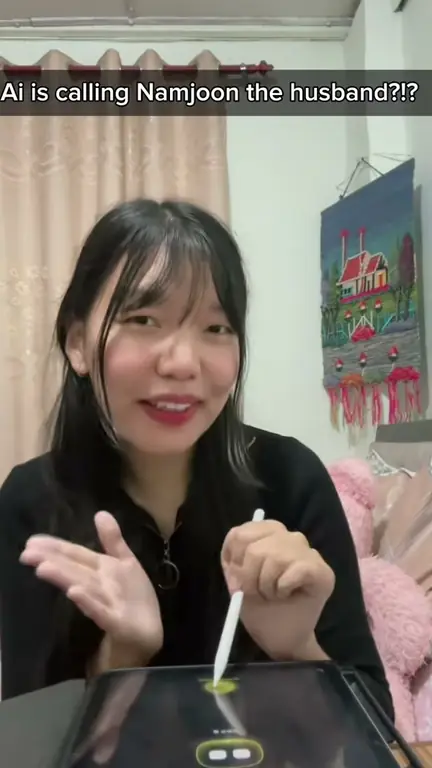 Learning Korean
- 9.3K likes
- 124 comments
- 912 shares
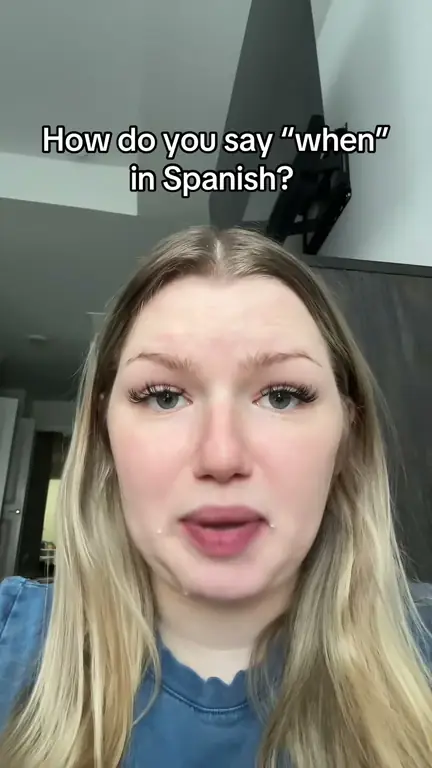 Learning Spanish
- 1.5K likes
- 31 comments
- 526 shares
 Learning Korean
- 3K likes
- 68 comments
- 412 shares
 Learning Korean
- 3.2K likes
- 44 comments
- 367 shares
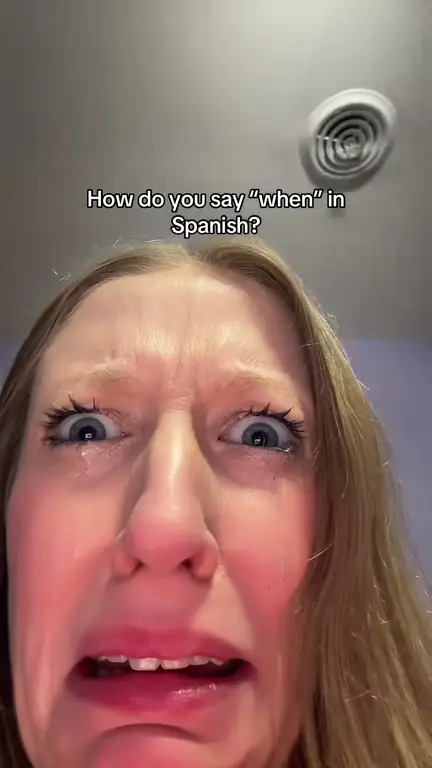 Learning Spanish
- 777 likes
- 26 comments
- 201 shares
Oui, ouais or si: which yes to use
Pick by the question you're answering and who asked it.
| Yes | When | Example |
|---|---|---|
| Oui | Any yes, with anyone | Oui, merci. |
| Ouais | Friends, relaxed talk | Ouais, c'est bon. |
| Si | Answering a negative | Si, je viens ! |
| Bien sûr | A willing yes | Bien sûr, madame. |
| D'accord | Agreeing to a plan | D'accord, à demain. |
| Tout à fait | Firm agreement | Tout à fait, monsieur. |
Saying yes to a plan with a friend
Pierre calls to ask about tonight. Listen for his negative question: that's where si comes in.
Yes please, mais oui and other ways to agree
These add politeness or emphasis to a plain oui.
- politeOui, s'il vous plaîtYes, please
For accepting an offer from a stranger or a waiter. With a friend: oui, s'il te plaît.
- politeOui, merciYes, thanks
Keep the oui: merci on its own often means no thanks.
- casualMais oui !Yes, of course!
Mais adds emphasis. Warm with a smile, but it can sound like obviously if your tone is flat.
- casualOui, ouiYes, yes
To reassure someone or show you heard. Said quickly, it can sound impatient.
- politeAbsolumentAbsolutely
A strong yes that works at work and with friends.
- politeC'est çaThat's right
For confirming a detail, like a name, a time or an address.
- casualÇa marcheSounds good, deal
Very common for agreeing to a plan, and staff in cafés say it to confirm an order.
- politeJe veux bienI'd like that
A soft, polite yes to an offer: Un café ? Je veux bien.
Pick the best reply
A waiter, a friend and your manager ask you something. Say each reply out loud, then pick the one that fits. Every reply is correct French; some just don't fit the moment.
How to say oui and use it well
Say oui in one beat
Oui sounds like the English we: one quick syllable, not oo-ee. Start with rounded lips and spread them as you say it. It's spelled oui, with no accent marks.
Keep ouais for people you know
Ouais (weh) is everywhere in relaxed speech and in texts. In shops, at work and with older strangers, oui sounds more respectful.
Use si after a not
If someone asks Tu n'as pas faim ? (you're not hungry?) and you are, answer si. Oui would leave them unsure whether you agree with the not.
Don't answer an offer with merci alone
When a host offers more food, a plain merci usually means no thanks. Say oui, merci or je veux bien when you want it.
Say it out loud with a French tutor
Lifelike AI tutors play the other person and correct you as you speak. Pick one to start.
 Camilleculture-richPractice with Camille
 Amelieconfidence-buildingPractice with Amelie
 Leanatural correctionPractice with Lea
 Manonfluency-drivenPractice with Manon
 Clarascenario-ledPractice with Clara
 Inesrhythm-awarePractice with Ines
 Julietteconversation-firstPractice with Juliette
 Noemietravel-focusedPractice with Noemie
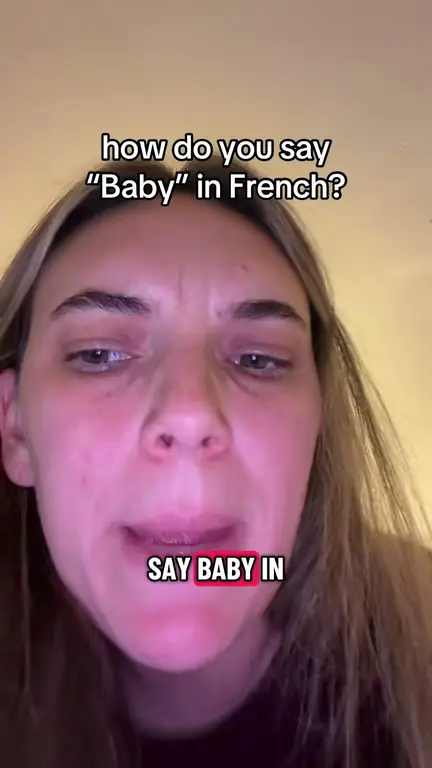 @liv.slowlyfluent
 @learningwith.emma
 @learningwith.michelle
Questions learners ask
How do you say yes in French?
Yes in French is oui, pronounced wee. It works in every situation. With friends, ouais (weh) is the casual yeah, and si is the yes you use to contradict a negative question.
Is wee wee French for yes?
Wee wee is how English speakers spell the sound of oui, oui (yes, yes). French speakers do say oui, oui to reassure someone or show they heard, but one oui is the normal answer.
What is French slang for yes?
Ouais is the everyday casual yes. Among friends you'll also hear carrément (totally), and young people say grave in the same way. Keep these for people you know well.
Why do French people say si for yes?
Si is the yes that contradicts a negative. If someone says Tu ne viens pas ? (you're not coming?), si means yes, I am. Oui can't do that job clearly.
Why do French people say mais oui?
Mais oui means yes, of course. The mais adds emphasis, so it sounds enthusiastic when said warmly and a bit like obviously when said flatly.
How do you say yes formally in French?
Say oui, madame or oui, monsieur, or use tout à fait (exactly) and bien sûr (of course). Avoid ouais in formal situations, since it sounds careless there.
How do you say yes in Quebec French?
Oui is standard in Quebec too. In casual speech, many Quebecers say ouin (it sounds like wen) where people in France would say ouais.
How do you pronounce oui?
Say wee, as one quick syllable with your lips rounded at the start. With Tooter you can say it to an AI tutor and get corrections on your pronunciation as you speak. For more basics, see these French words for beginners.
Say oui to a tutor today.
Answer a few quick questions, then practice out loud with a tutor.
By the Tooter Editorial Team. Updated November 9, 2026. Tooter tutors are AI characters, not human teachers.