 Tooter
How to say yes in Spanish
Yes in Spanish is sí (SEE), written with an accent; si without it means if. For a warmer yes, say claro (sure) or por supuesto (of course). Okay is está bien, dale in much of South America and the Caribbean, and vale in Spain.
Practice it with a tutor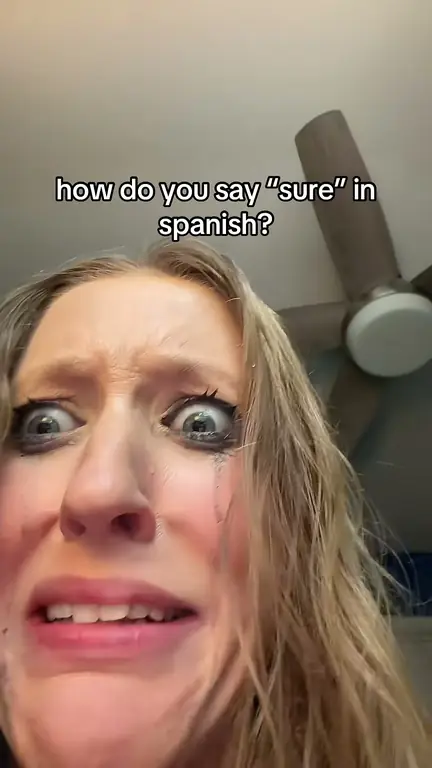 Learning Spanish
- 102.8K likes
- 737 comments
- 22.9K shares
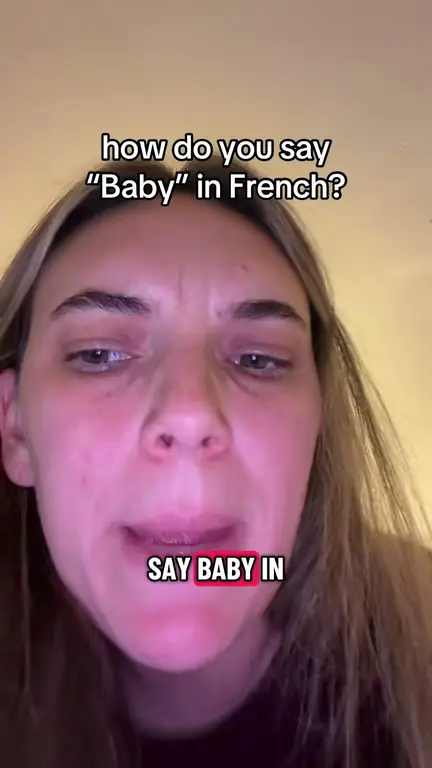 Learning French
- 112.3K likes
- 1.4K comments
- 128.7K shares
 Learning Korean
- 95.6K likes
- 1.5K comments
- 20.1K shares
Where will you say sí?
Pick one to start your plan. It takes about a minute.
Every way to say yes
Sí works with anyone. The others add warmth, politeness or a local accent.
The standard yes, in every country and with anyone.
A very common friendly yes. Fine with strangers too.
Emphatic and warm. The opposite is claro que no (of course not).
A little more formal than claro. Good at work and with customers.
Warm and very common in Latin America when someone asks a favor.
Agreeing to a plan or request. Said flatly, it can sound like a reluctant fine.
Polite with an older man, a boss or a customer. To a woman: sí, señora.
Very common in Argentina, Uruguay, Colombia, Venezuela and the Caribbean. It comes from dar, to give.
Learners film their Tooter practice
Real videos from Tooter creators practicing with their tutor. Public TikTok counts, October 26, 2026.
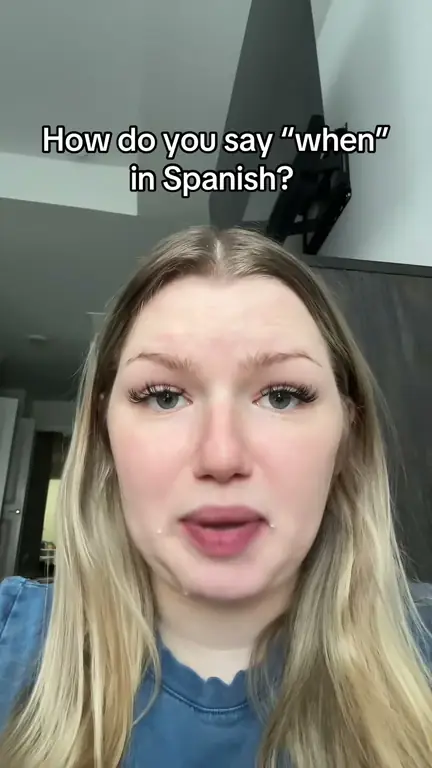 Learning Spanish
- 1.5K likes
- 31 comments
- 526 shares
 Learning Spanish
- 777 likes
- 26 comments
- 201 shares
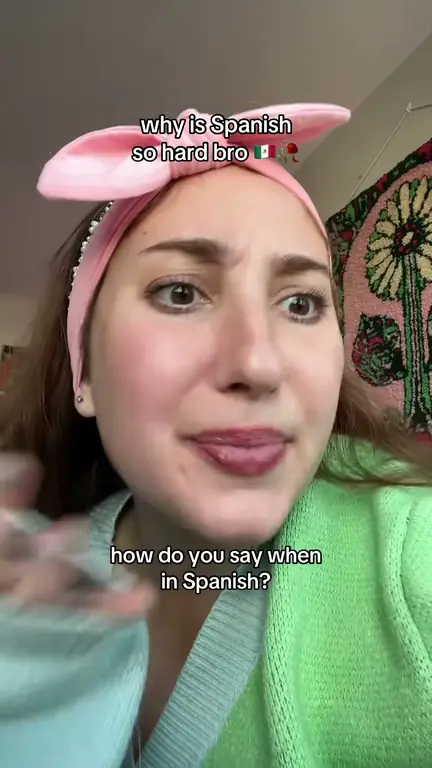 Learning Spanish
- 374 likes
- 10 comments
- 49 shares
 Learning German
- 26.9K likes
- 694 comments
- 3.9K shares
 Learning Korean
- 9.3K likes
- 124 comments
- 912 shares
 Learning Korean
- 3K likes
- 68 comments
- 412 shares
Which yes to use, and where
Sí and claro work in every country. The casual ones tell people where you learned your Spanish.
| Yes | Tone | Where |
|---|---|---|
| Sí | Neutral | Everywhere |
| Claro | Friendly | Everywhere |
| Por supuesto | Polite, a bit formal | Everywhere |
| Cómo no | Warm, polite | Latin America |
| Dale | Casual | South America, Caribbean |
| Órale | Slang | Mexico |
| Sale | Slang | Mexico |
| Simón | Slang | Mexico |
| Vale | Casual | Spain |
Saying yes to plans
A friend in Mexico City invites you to the movies.
Slang and regional ways to say yes
Use these with friends. The first three are Mexican, and simón is the most slangy of them.
- slangÓraleOkay, sure; let's go
Mexican. Depending on the tone it can also mean wow or come on.
- slangSaleOkay, deal
Mexican, for agreeing to a plan: ¿A las ocho? Sale.
- slangSimónYeah, yep
Playful Mexican slang, friends only. Its opposite is nel (nope).
- casualValeOkay
The everyday okay in Spain. Less common in Latin America.
- casualObvioObviously, for sure
Very common among friends across Latin America.
- casualAjáUh-huh
Shows you're listening or agreeing. Stress the second a: ah-HAH.
Pick the best reply
Three people ask you something. Say each reply out loud, then pick the one that fits. Every reply is correct Spanish; some just don't fit the moment.
How to say and write sí
Write the accent
Sí (yes) has an accent and si (if) doesn't: sí, si quieres means yes, if you want. They sound the same, so the accent only shows in writing.
Keep the i short
Say SEE, quick and clean, without the little y-glide English adds at the end of see. Spanish vowels don't slide.
Soften a bare sí
A lone sí can sound curt. Sí, claro, sí, por favor or claro que sí sound friendlier, especially when someone offers you something.
Answer with the verb
Spanish speakers often confirm by repeating the verb: ¿Vienes? Sí, voy. ¿Te gusta? Sí, me gusta. It sounds natural and shows you understood.
Say it out loud with a Spanish tutor
Lifelike AI tutors play the other person and correct you as you speak. Pick one to start.
 Sofianatural correctionPractice with Sofia
 Luciafluency-drivenPractice with Lucia
 Valeriascenario-ledPractice with Valeria
 Albarhythm-awarePractice with Alba
 Carmenconversation-firstPractice with Carmen
 Claratravel-focusedPractice with Clara
 Martaculture-richPractice with Marta
 Elenaconfidence-buildingPractice with Elena
 @wallakpu.slowly.fluent
 @learningwith.michelle
Questions learners ask
How do you say yes in Spanish?
Yes is sí (SEE), with an accent mark. Claro (sure) and por supuesto (of course) are the most common alternatives, and all three work with anyone.
What is the difference between sí and si?
Sí with an accent means yes. Si without it means if, as in si quieres (if you want). They're pronounced the same, so the accent only matters in writing.
How do you say yes in Spanish slang?
In Mexico, friends say órale, sale or simón. In much of South America and the Caribbean the casual yes is dale, and in Spain it's vale. Obvio (obviously) works with friends almost everywhere in Latin America.
How do you say okay in Spanish?
Está bien is okay in every country. Vale is the everyday okay in Spain and dale in much of South America and the Caribbean, and many Latin Americans also simply say okey.
How do Mexicans say yes?
Sí and claro, like everyone else. Casual Mexican ways to agree include órale, sale and va, and simón is playful slang for yeah.
How do you pronounce sí in Spanish?
Say SEE, short and crisp, with a pure i and no glide at the end. Tooter's AI tutors correct pronunciation like this as you speak, so short words come out right.
How do you say no in Spanish?
No is also no, said with a short, pure o. No, gracias means no, thank you, and claro que no means of course not. More everyday basics are on Spanish phrases for beginners.
What does dale mean in Spanish?
Dale comes from dar (to give) and works like okay, sure or go ahead. It's very common in Argentina, Uruguay, Colombia, Venezuela and the Caribbean, and fans also shout ¡dale! to cheer someone on.
Say sí to a tutor today.
Answer a few quick questions, then practice out loud with a tutor.
By the Tooter Editorial Team. Updated November 9, 2026. Tooter tutors are AI characters, not human teachers.