 Tooter
How to say hello in French
Hello in French is bonjour (bohn-ZHOOR). It works with anyone during the day. Hi is salut (sa-LOO), for friends and people you know. In the evening, say bonsoir (bohn-SWAHR). Coucou (koo-KOO) is a playful hi for people you're close to.
Practice it with a tutor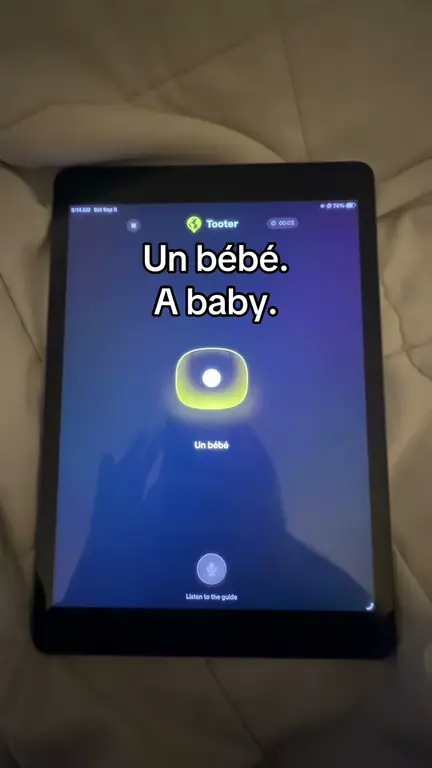 Learning French
- 112.3K likes
- 1.4K comments
- 128.7K shares
 Learning Spanish
- 102.8K likes
- 737 comments
- 22.9K shares
 Learning Korean
- 95.6K likes
- 1.5K comments
- 20.1K shares
Where will you say bonjour?
Pick one to start your plan. It takes about a minute.
Every way to say hello
Bonjour is always safe during the day. The others depend on the time and how well you know the person.
The standard hello, for anyone, from morning until early evening. Add madame or monsieur with strangers.
For friends, family and people your age. The t is silent. Also means bye.
The hello for the evening, from around 6 p.m. or when it gets dark.
Playful and warm, for close friends, family and kids. Very common in text messages.
The usual way friends say hello. The answer is often just ça va, et toi ?
When you see someone a second time on the same day. A bit informal.
For greeting a group, like a meeting or a class.
In France, for the phone only. In Quebec you may also hear it as a casual hi in person.
Learners film their Tooter practice
Real videos from Tooter creators practicing with their tutor. Public TikTok counts, October 26, 2026.
 Learning German
- 26.9K likes
- 694 comments
- 3.9K shares
 Learning Korean
- 9.3K likes
- 124 comments
- 912 shares
 Learning Spanish
- 1.5K likes
- 31 comments
- 526 shares
 Learning Korean
- 3K likes
- 68 comments
- 412 shares
 Learning Korean
- 3.2K likes
- 44 comments
- 367 shares
 Learning Spanish
- 777 likes
- 26 comments
- 201 shares
Formal vs casual: which hello to use
The choice follows tu and vous: if you'd say vous to someone, use bonjour or bonsoir.
| Greeting | Who with | When |
|---|---|---|
| Bonjour, madame | Strangers, shop staff, older people | During the day |
| Bonjour, monsieur | Strangers, shop staff, older people | During the day |
| Bonsoir | Anyone | In the evening |
| Bonjour à tous | A group, a meeting, a class | During the day |
| Salut | Friends, family, classmates | Any time |
| Coucou | Close friends, family, kids | Any time, and in texts |
Saying hello in a shop
Walking into a small shop in Lyon. Greet the staff before you ask for anything.
How to reply to bonjour
Say the same greeting back, then add a line if the moment calls for it.
- politeBonjour !Hello!
The usual reply: repeat it, with madame or monsieur for strangers.
- casualSalut !Hi!
When a friend says salut to you.
- politeTrès bien, merci. Et vous ?Very well, thanks. And you?
The polite answer to comment allez-vous ?
- casualÇa va, et toi ?Good, and you?
The casual answer to ça va ?
Pick the best reply
Someone greets you. Say each reply out loud, then pick the one that fits. Every reply is correct French; some just don't fit the moment.
How to pronounce bonjour
Keep the on in your nose
The on is a nasal vowel. Let the sound go through your nose and stop before your tongue touches for an n.
Soften the j
The French j sounds like the s in measure: zh, without the d sound of the English j.
Don't lean on the first syllable
French stress falls lightly at the end: bohn-ZHOOR. The final r comes from the back of the throat, and it's soft.
Say bonjour first
In France, it's polite to say bonjour when you walk into a shop and before you ask anyone a question. Starting without it can sound rude.
Say it out loud with a French tutor
Lifelike AI tutors play the other person and correct you as you speak. Pick one to start.
 Camilleculture-richPractice with Camille
 Amelieconfidence-buildingPractice with Amelie
 Leanatural correctionPractice with Lea
 Manonfluency-drivenPractice with Manon
 Clarascenario-ledPractice with Clara
 Inesrhythm-awarePractice with Ines
 Julietteconversation-firstPractice with Juliette
 Noemietravel-focusedPractice with Noemie
 @liv.slowlyfluent
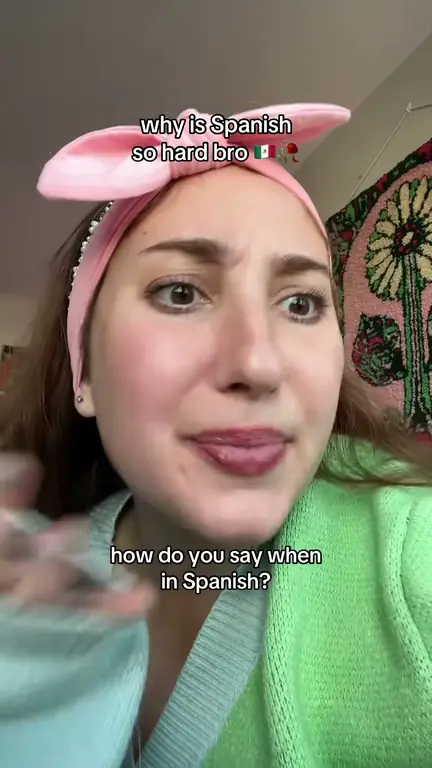 @learningwith.emma
 @learningwith.michelle
Questions learners ask
How do you say hi in French?
Say salut (sa-LOO) to friends, family and people your age. The t is silent. With strangers or in a shop, use bonjour instead.
What is the difference between bonjour and salut?
Bonjour is the standard hello and works with anyone. Salut is casual, for people you know, and it also means bye. If you'd say vous to someone, use bonjour.
How do you pronounce bonjour?
Say bohn-ZHOOR. The on is a nasal vowel, the j sounds like the s in measure, and the light stress falls on the last syllable.
When do you switch from bonjour to bonsoir?
Around 6 p.m., or when it starts to get dark. There's no strict rule, so if someone greets you with bonsoir, just say it back.
How do you reply to bonjour?
Say bonjour back, with madame or monsieur for a stranger. If they ask comment allez-vous ?, say très bien, merci. Et vous ? With Tooter you can practice that exchange out loud with an AI tutor until it feels automatic.
What does coucou mean in French?
Coucou is a playful hi, a bit like hey there. People use it with close friends, family and kids, and often in text messages. It's also what French speakers say when playing peekaboo, so keep it out of work and shops.
Is bonjour formal or informal?
Bonjour is polite and neutral, so it works in every situation, from a job interview to meeting a friend. It's only out of place in the evening, when bonsoir takes over.
How do you say hello on the phone in French?
Answer with allô, often followed by oui ? or bonjour. In France, allô is used only on the phone.
Say bonjour to a tutor today.
Answer a few quick questions, then practice out loud with a tutor.
By the Tooter Editorial Team. Updated November 4, 2026. Tooter tutors are AI characters, not human teachers.