 Tooter
Common French words and phrases
The most useful basic French words are bonjour (hello), merci (thank you), s'il vous plaît (please), oui (yes), non (no) and où est... ? (where is...?). Learn them inside short phrases grouped by situation, and say each one out loud.
Practice it with a tutor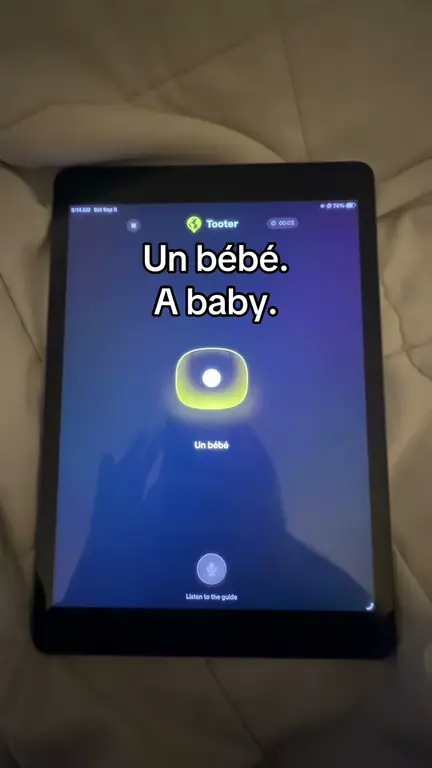 Learning French
- 112.3K likes
- 1.4K comments
- 128.7K shares
 Learning Spanish
- 102.8K likes
- 737 comments
- 22.9K shares
 Learning Korean
- 95.6K likes
- 1.5K comments
- 20.1K shares
Where will you use these words?
Pick one to start your plan. It takes about a minute.
Basic French words you'll use every day
Small words that show up in almost every conversation.
Sounds like "wee."
Contradicts a no: Tu ne viens pas ? Si ! (You're not coming? Yes, I am!)
The t is silent: it sounds like "ay."
Demain means tomorrow, hier means yesterday.
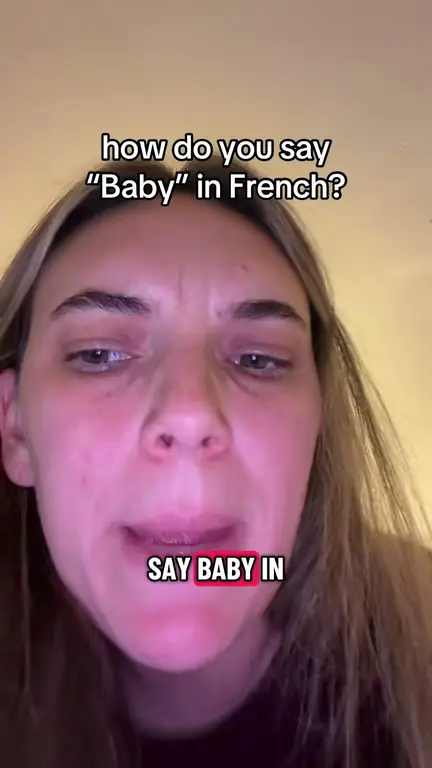
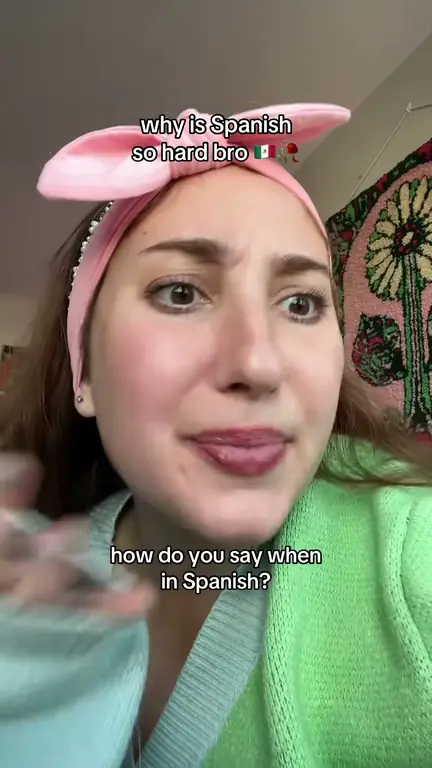
Learners film their Tooter practice
Real videos from Tooter creators practicing with their tutor. Public TikTok counts, October 26, 2026.
 Learning German
- 26.9K likes
- 694 comments
- 3.9K shares
 Learning Korean
- 9.3K likes
- 124 comments
- 912 shares
 Learning Spanish
- 1.5K likes
- 31 comments
- 526 shares
 Learning Korean
- 3K likes
- 68 comments
- 412 shares
 Learning Korean
- 3.2K likes
- 44 comments
- 367 shares
 Learning Spanish
- 777 likes
- 26 comments
- 201 shares
Greetings and goodbyes
- BonjourHello, good morning
The everyday hello from morning until evening.
- SalutHi; bye
Casual, with friends. Works for hello and goodbye.
- BonsoirGood evening
From early evening, as a greeting.
- Bonne nuitGood night
Only when someone is going to bed.
- Ça va ?How's it going?
Casual. The answer can be the same words: Ça va, merci.
- EnchantéNice to meet you
A woman writes enchantée. Both sound the same.
- Au revoirGoodbye
- À bientôtSee you soon
- À plusSee you later
Casual. The s is pronounced, and in texts it's often written À+.
Polite basics
- S'il vous plaîtPlease
Polite form. With a friend: s'il te plaît.
- MerciThank you
- Merci beaucoupThank you very much
- De rienYou're welcome
- PardonSorry, excuse me
For small bumps, mistakes and getting past someone.
- Excusez-moiExcuse me
Polite way to get someone's attention, like a server or a stranger.
- Je suis désoléI'm sorry
For real apologies. A woman writes désolée; it sounds the same.
- Je ne comprends pasI don't understand
In casual speech the ne often drops: Je comprends pas.
- Vous parlez anglais ?Do you speak English?
Polite form. With a friend: Tu parles anglais ?
Questions
- Comment allez-vous ?How are you?
Polite. With a friend: Comment ça va ? or just Ça va ?
- Comment tu t'appelles ?What's your name?
Casual. Polite form: Comment vous appelez-vous ?
- Vous venez d'où ?Where are you from?
Everyday spoken form. More formal: D'où venez-vous ?
- Où sont les toilettes ?Where is the restroom?
Toilettes is always plural in this sense.
- C'est combien ?How much is it?
- Quelle heure est-il ?What time is it?
- Qu'est-ce que ça veut dire ?What does that mean?
- Comment dit-on ... en français ?How do you say ... in French?
- Vous pouvez parler plus lentement ?Can you speak more slowly?
Add s'il vous plaît to sound extra polite.
Food and ordering
- Une table pour deux, s'il vous plaîtA table for two, please
- La carte, s'il vous plaîtThe menu, please
In France, le menu usually means a set meal at a fixed price.
- Qu'est-ce que vous me conseillez ?What do you recommend?
- Je voudrais...I would like...
Polite and safe for ordering anything.
- Une carafe d'eau, s'il vous plaîtA pitcher of tap water, please
Asks for tap water rather than bottled.
- Un café, s'il vous plaîtA coffee, please
In France this gets you a small espresso.
- Je suis végétarien / végétarienneI'm vegetarian
Use végétarienne if you're a woman.
- L'addition, s'il vous plaîtThe check, please
In France the server usually waits for you to ask.
- C'était délicieuxIt was delicious
Getting around
- Où est la gare ?Where is the station?
Swap la gare for any place: Où est l'hôtel ?, Où est le musée ?
- à droiteto the right
- à gaucheto the left
- tout droitstraight ahead
Easy to mix up with à droite. In tout droit the t is silent: "too DRWAH."
- C'est loin ?Is it far?
- la garethe train station
- le métrothe subway
- un billeta ticket
For trains and buses. For the Paris subway you'll also hear un ticket.
- Je suis perdu / perdueI'm lost
Use perdue if you're a woman. Both sound the same.
- Ici, s'il vous plaîtHere, please
To tell a taxi driver where to stop.
How to make French words stick
Learn each noun with le or la
Learn la table and le livre, not just table and livre. The article tells you the gender, which changes the words around it.
Say them out loud
French spelling hides the sound: beaucoup is "boh-KOO," and many final letters are silent. Saying words aloud, ideally in a short conversation, is what makes them come out when you need them.
Practice one situation at a time
Learn the words for one scene (a café, a train station, meeting someone) and run through it until it feels easy. Tooter's tutors can play the server or the ticket agent for this.
Review a little every day
Go over yesterday's words before learning new ones. A few minutes of review keeps them from fading.
Say it out loud with a French tutor
Lifelike AI tutors play the other person and correct you as you speak. Pick one to start.
 Camilleculture-richPractice with Camille
 Amelieconfidence-buildingPractice with Amelie
 Leanatural correctionPractice with Lea
 Manonfluency-drivenPractice with Manon
 Clarascenario-ledPractice with Clara
 Inesrhythm-awarePractice with Ines
 Julietteconversation-firstPractice with Juliette
 Noemietravel-focusedPractice with Noemie
 @liv.slowlyfluent
 @learningwith.emma
 @learningwith.michelle
Questions learners ask
What are basic French words?
Start with bonjour (hello), au revoir (goodbye), oui (yes), non (no), s'il vous plaît (please), merci (thank you), de rien (you're welcome), pardon (sorry), ici (here), maintenant (now), aujourd'hui (today), demain (tomorrow), l'eau (water), les toilettes (the restroom), bon (good), beaucoup (a lot), un peu (a little) and où (where).
What are the most common French words?
The words you hear most are short ones like le, la and les (the), de (of, from), un and une (a), être (to be), avoir (to have), et (and), à (to, at), je (I) and pas (not). They rarely mean much alone, so learn them inside phrases.
How do I memorize French words quickly?
Learn words in short phrases instead of lists, say them out loud, and review them a day later, then a few days later. Using new words in a real conversation the same week is what makes them stick.
How many French words do I need to know?
You don't need thousands of words to start talking. A few hundred common words and phrases cover introductions, ordering food, shopping and asking for directions, and you can add more as your conversations grow.
What does A1, A2, B1, B2, C1 and C2 mean in French?
They are the six levels of the Common European Framework of Reference (CEFR). A1 and A2 are beginner, B1 and B2 are intermediate, and C1 and C2 are advanced. The official French exams are the DELF (A1 to B2) and the DALF (C1 and C2).
What is a French word with a deep meaning?
Dépaysement is a favorite: the feeling of being out of your element in a foreign place, which can be unsettling or refreshing. Others are retrouvailles, the joy of meeting someone again after a long time apart, and flâner, to stroll with no goal, just enjoying the streets.
How do the French say "yuck"?
They say beurk (also spelled berk), often with a face to match. For a full sentence, say c'est dégoûtant (that's disgusting).
How do you say please in French?
Say s'il vous plaît with strangers, staff and anyone older, and s'il te plaît with friends and family. In texts you'll see them shortened to SVP and STP.
Use these words with a French tutor.
Answer a few quick questions, then practice out loud with a tutor.
Updated October 27, 2026. Tooter tutors are AI characters, not human teachers.