 Tooter
How to say I miss you in Spanish
I miss you in Spanish is te extraño (teh eks-TRAH-nyoh) in Latin America. In Spain, people say te echo de menos. Me haces falta is a warm third option. To say I miss you so much, add mucho: te extraño mucho.
Practice it with a tutor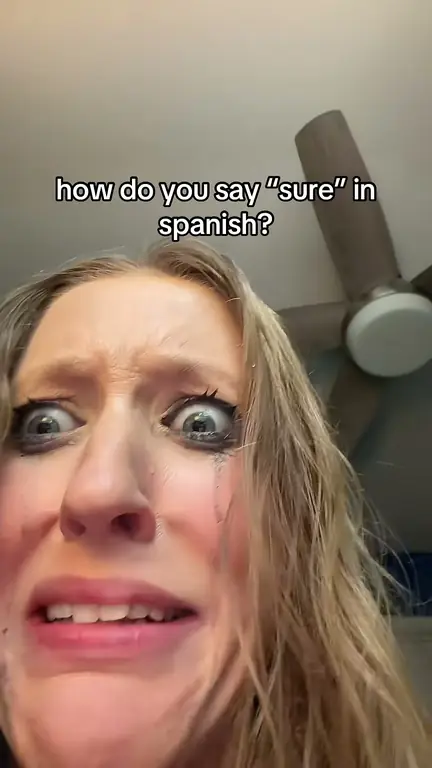 Learning Spanish
- 102.8K likes
- 737 comments
- 22.9K shares
 Learning French
- 112.3K likes
- 1.4K comments
- 128.7K shares
 Learning Korean
- 95.6K likes
- 1.5K comments
- 20.1K shares
Who do you miss right now?
Pick one to start your plan. It takes about a minute.
Every way to say I miss you in Spanish
Te extraño is the one to learn first if you're talking with people from Latin America.
The everyday form across Latin America, to someone you call tú.
Mucho adds weight. Te extraño muchísimo is stronger still.
The usual form in Spain, understood everywhere.
Literally you are missing from me. Warm and heartfelt.
For a partner. Mi amor is the most common pet name.
To a group in Latin America. In Spain: os echo de menos.
Literally I already want to see you. A common way to say you miss someone.
For places and things there's no a: extraño mi país.
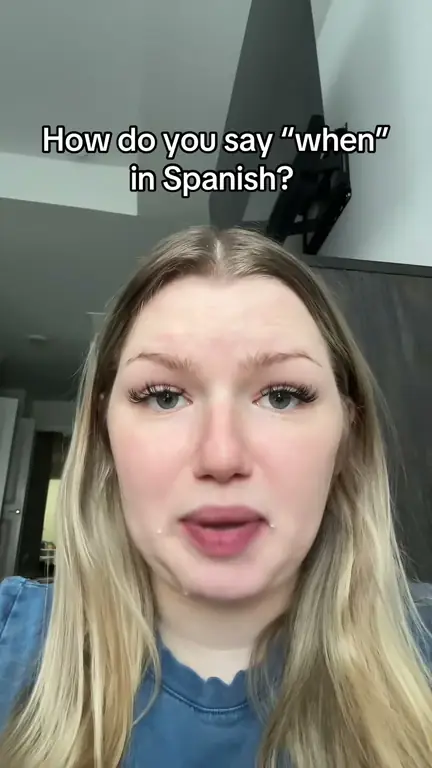
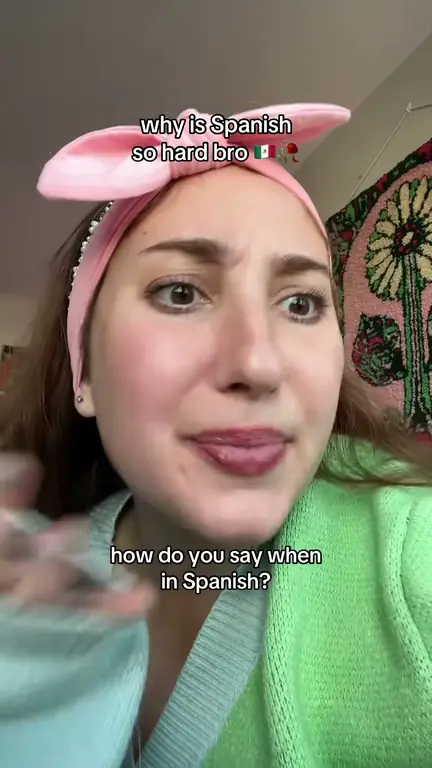
Learners film their Tooter practice
Real videos from Tooter creators practicing with their tutor. Public TikTok counts, October 26, 2026.
 Learning Spanish
- 1.5K likes
- 31 comments
- 526 shares
 Learning Spanish
- 777 likes
- 26 comments
- 201 shares
 Learning Spanish
- 374 likes
- 10 comments
- 49 shares
 Learning German
- 26.9K likes
- 694 comments
- 3.9K shares
 Learning Korean
- 9.3K likes
- 124 comments
- 912 shares
 Learning Korean
- 3K likes
- 68 comments
- 412 shares
Te extraño or te echo de menos
Both are correct. Pick by where the person is from and how many people you're talking to.
| To | Spanish | Where |
|---|---|---|
| One person (tú) | te extraño | Latin America |
| One person (tú) | te echo de menos | Spain |
| A group | los extraño | Latin America |
| A group | os echo de menos | Spain |
| Usted, a man | lo extraño | Latin America |
| Usted, a woman | la extraño | Latin America |
A call with someone you miss
You're away on a trip and Diego calls to check in.
How to answer I miss you
Someone says te extraño. These are the replies you'll hear and use.
- casualYo también te extraño.I miss you too.
The full, warm reply.
- casualY yo a ti.And I miss you.
Short and sweet. Literally and I, you.
- casualYo más.I miss you more.
A playful reply between partners.
- casualPronto nos vemos.We'll see each other soon.
Kind when you can't be together yet.
- politeExtraño a mi familia.I miss my family.
Use a before people: extraño a mi mamá.
Pick the best reply
Valentina is a close friend who moved away. Say each reply out loud, then pick the one that fits. Every reply is correct Spanish; some just don't fit the moment.
How to pronounce and use te extraño
Say the ñ
Ñ is like the ny in canyon: eks-TRAH-nyoh. Without it, extraño sounds like extrano.
Match the region
Extrañar is standard in Mexico, the Caribbean and South America. Echar de menos is the everyday verb in Spain.
Use a before people
Extraño a mi abuela takes a because it's a person. Extraño mi casa doesn't, because it's a place.
Falta works backwards
Me haces falta means you are missing to me, so the person you miss is the subject. Saying these lines out loud with a Tooter AI tutor helps the word order stick.
Say it out loud with a Spanish tutor
Lifelike AI tutors play the other person and correct you as you speak. Pick one to start.
 Sofianatural correctionPractice with Sofia
 Luciafluency-drivenPractice with Lucia
 Valeriascenario-ledPractice with Valeria
 Albarhythm-awarePractice with Alba
 Carmenconversation-firstPractice with Carmen
 Claratravel-focusedPractice with Clara
 Martaculture-richPractice with Marta
 Elenaconfidence-buildingPractice with Elena
 @wallakpu.slowly.fluent
 @learningwith.michelle
Questions learners ask
How do you say I miss you in Spanish?
Say te extraño in Latin America or te echo de menos in Spain. Both mean I miss you.
How do you say I miss you so much in Spanish?
Te extraño mucho, or te extraño muchísimo for even more. In Spain: te echo mucho de menos.
How do you say I miss you too in Spanish?
Yo también te extraño, or the short y yo a ti. Between partners, yo más (I miss you more) is common.
What is the difference between te extraño and te echo de menos?
They mean the same thing. Te extraño is used across Latin America, and te echo de menos is the everyday form in Spain.
What does me haces falta mean?
It means I miss you, or I need you here. Literally it says you are missing from me, and it sounds heartfelt.
How do you say I miss you, my love in Spanish?
Te extraño, mi amor. For more love phrases, see I love you in Spanish.
How do you say I miss you to a group in Spanish?
Los extraño in Latin America and os echo de menos in Spain. Both mean I miss you all.
How do you say I miss home in Spanish?
Extraño mi casa, or extraño mi país for your country. In Spain: echo de menos mi casa.
Say what you feel in Spanish.
Answer a few quick questions, then practice out loud with a tutor.
By the Tooter Editorial Team. Updated November 13, 2026. Tooter tutors are AI characters, not human teachers.