 Tooter
What does te amo mean?
Te amo means I love you in Spanish. It's the deep, serious form, said mostly to a romantic partner and, in many Latin American families, to parents and children. For friends and everyday affection, Spanish speakers usually say te quiero.
Practice it with a tutor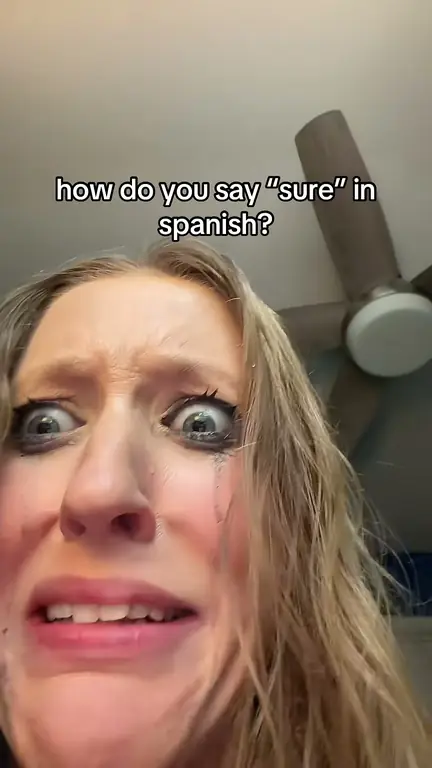 Learning Spanish
- 102.8K likes
- 737 comments
- 22.9K shares
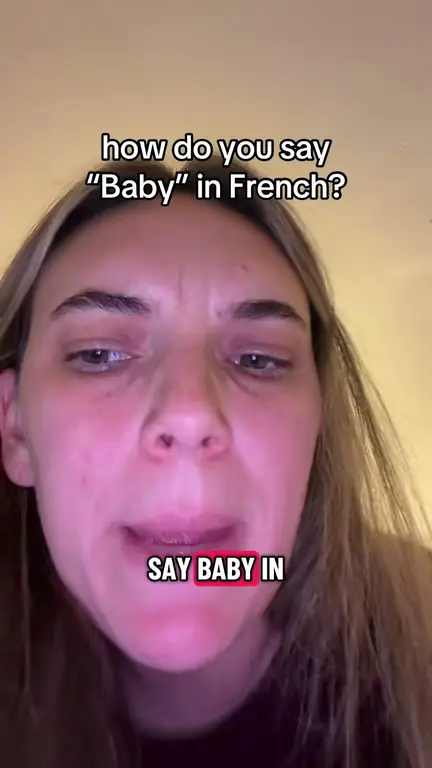 Learning French
- 112.3K likes
- 1.4K comments
- 128.7K shares
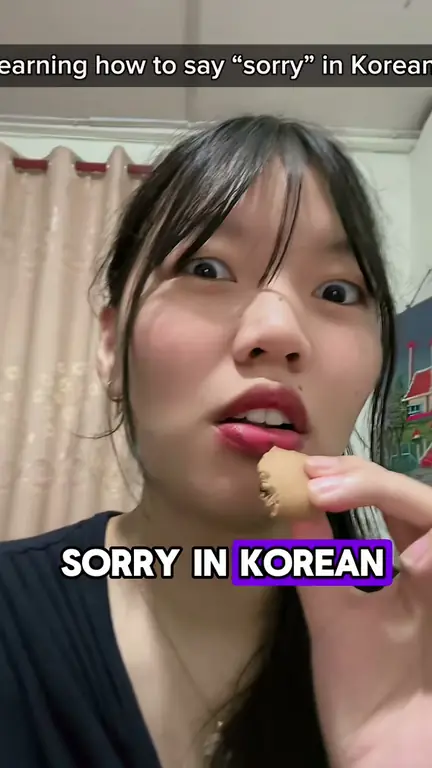 Learning Korean
- 95.6K likes
- 1.5K comments
- 20.1K shares
Who will you say te amo to?
Pick one to start your plan. It takes about a minute.
What te amo means
- I love you: Te amo
Te amo comes from the verb amar, to love. Te means you and amo means I love, so word for word it's you I-love. Spanish puts the object pronoun before the verb and usually drops yo (I).
Spanish has two common ways to say I love you. Te quiero comes from querer (to want, to love) and is warm and everyday. Te amo is stronger and more intimate. In Spain, te amo can sound like a line from a song or a soap opera, and most people say te quiero even to a partner. In Mexico and much of Latin America, te amo is common between couples and often said to parents and children too.
Be careful early in a relationship. Saying te amo after a few dates sounds very intense. Te quiero, or me gustas mucho (I really like you), is the gentler step.
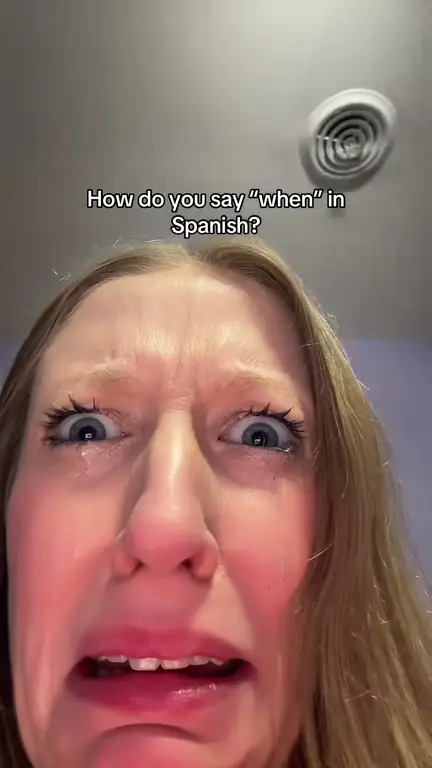
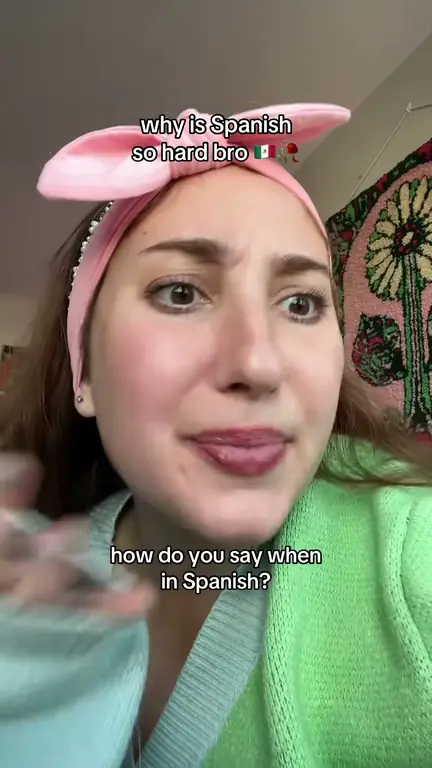
Learners film their Tooter practice
Real videos from Tooter creators practicing with their tutor. Public TikTok counts, October 26, 2026.
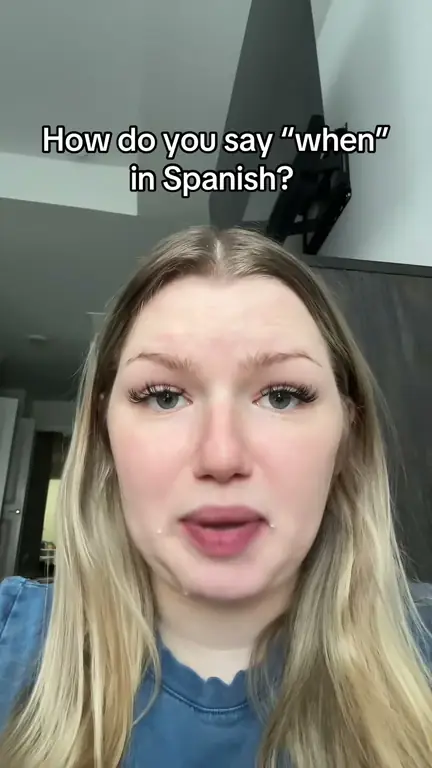 Learning Spanish
- 1.5K likes
- 31 comments
- 526 shares
 Learning Spanish
- 777 likes
- 26 comments
- 201 shares
 Learning Spanish
- 374 likes
- 10 comments
- 49 shares
 Learning German
- 26.9K likes
- 694 comments
- 3.9K shares
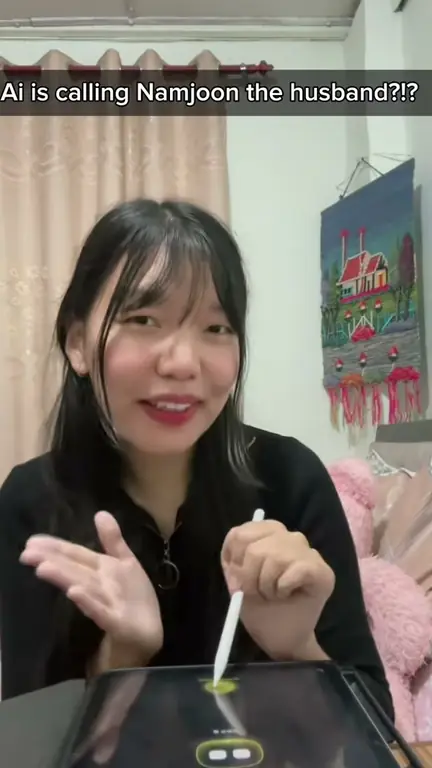 Learning Korean
- 9.3K likes
- 124 comments
- 912 shares
 Learning Korean
- 3K likes
- 68 comments
- 412 shares
How to use te amo
Common in Latin America. In Spain: te quiero, mamá.
Latin American. In Spain, os quiero is more usual.
A common pairing between partners, in messages and at the end of calls.
Who says te amo to whom
Partners
The main use. Couples say te amo at the end of calls, in messages and on special days.
Parents and children
Common in many Latin American families, especially Mexico. In Spain, family members usually say te quiero instead.
Friends
Friends say te quiero or te quiero mucho. Te amo to a friend sounds unusual unless it's playful.
How to answer
Say yo también te amo (I love you too) or the short y yo a ti (and I you). If you're not ready to say it back, a warm smile and a hug say plenty.
Te amo vs te quiero and related phrases
In Mexico and much of Latin America, te amo also goes to parents and children. In Spain it's mostly for partners.
| Spanish | Meaning | When to use it |
|---|---|---|
| te amo | I love you (deep) | Partners, close family |
| te quiero | I love you, I care | Partners, family, friends |
| te quiero mucho | I love you a lot | Family and friends |
| me gustas | I like you | A crush, early dating |
| me encantas | I'm crazy about you | Strong attraction |
| te adoro | I adore you | Partners, kids, friends |
Pick the best reply
Diego says three things. Say each reply out loud, then pick the one that fits. Every reply is correct Spanish; some just don't fit the moment.
Say it out loud with a Spanish tutor
Lifelike AI tutors play the other person and correct you as you speak. Pick one to start.
 Sofianatural correctionPractice with Sofia
 Luciafluency-drivenPractice with Lucia
 Valeriascenario-ledPractice with Valeria
 Albarhythm-awarePractice with Alba
 Carmenconversation-firstPractice with Carmen
 Claratravel-focusedPractice with Clara
 Martaculture-richPractice with Marta
 Elenaconfidence-buildingPractice with Elena
 @wallakpu.slowly.fluent
 @learningwith.michelle
Questions learners ask
What is the translation of te amo?
Te amo translates as I love you. It's the stronger, more romantic of the two common forms; the other is te quiero.
Is te amo stronger than te quiero?
Yes. Te amo is deeper and mostly romantic, while te quiero is warm and fits partners, family and friends. In Spain, many couples say te quiero more often than te amo.
How do you respond to te amo mucho?
Say yo también te amo mucho (I love you so much too) or y yo a ti. Both are natural.
Can you say te amo to a friend?
Usually not. To a friend, say te quiero or te quiero mucho. Te amo to a friend sounds romantic unless you're clearly joking.
What does te amo mi amor mean?
Te amo, mi amor means I love you, my love. Partners say it often in messages and at the end of calls. See mi amor for more on that phrase.
How do you say we love you in Spanish?
Te queremos is the most common, and te amamos is stronger. To a group in Latin America, say los queremos.
How do Mexicans say I love you?
Mexicans say te amo to partners and often to parents and children. Te quiero and te quiero mucho are for friends and wider family.
Can I say yo te amo?
Yes. Yo te amo is correct and puts emphasis on I. Most of the time people simply say te amo. A Tooter tutor can help you practice the rhythm so it sounds natural, not rehearsed.
Practice saying te amo out loud.
Answer a few quick questions, then practice out loud with a tutor.
By the Tooter Editorial Team. Updated November 15, 2026. Tooter tutors are AI characters, not human teachers.