 Tooter
What does mi amor mean?
Mi amor (mee ah-MOHR) means my love in Spanish. Partners use it constantly, parents say it to children, and in parts of Latin America a shopkeeper or older woman may call a customer mi amor just to be warm. It's the same for men and women.
Practice it with a tutor Learning Spanish
- 102.8K likes
- 737 comments
- 22.9K shares
 Learning French
- 112.3K likes
- 1.4K comments
- 128.7K shares
 Learning Korean
- 95.6K likes
- 1.5K comments
- 20.1K shares
Where do you need Spanish?
Pick one to start your plan. It takes about a minute.
What mi amor means
- My love: Mi amor
Mi means my and amor means love, so mi amor is literally my love. It's a term of endearment, like honey or babe in English, and it doesn't change for gender: men and women both say it, and a man, a woman or a child can all be mi amor.
How serious it is depends on who says it. Between partners it's the everyday pet name, used as casually as a first name: Mi amor, ¿dónde están las llaves? (Honey, where are the keys?). From a parent it's pure affection. In parts of Latin America, a market vendor or server might say gracias, mi amor to a customer, the way someone in the American South might say thanks, hon.
So mi amor isn't automatically a declaration of love. Look at who says it and how. A new crush who suddenly calls you mi amor is flirting; a grandmother at a fruit stand is being kind.
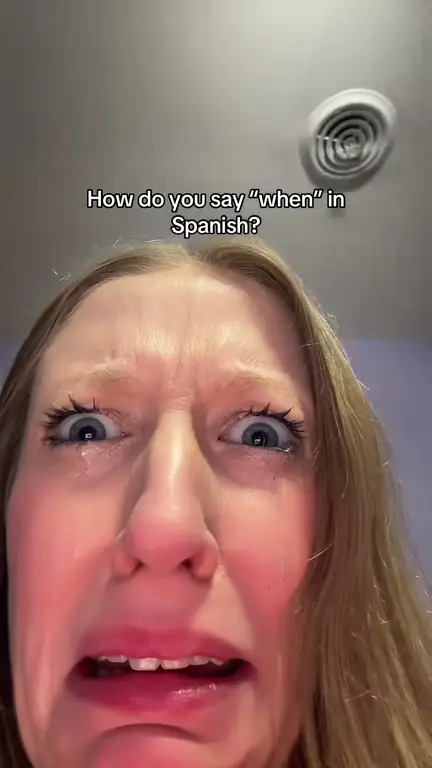
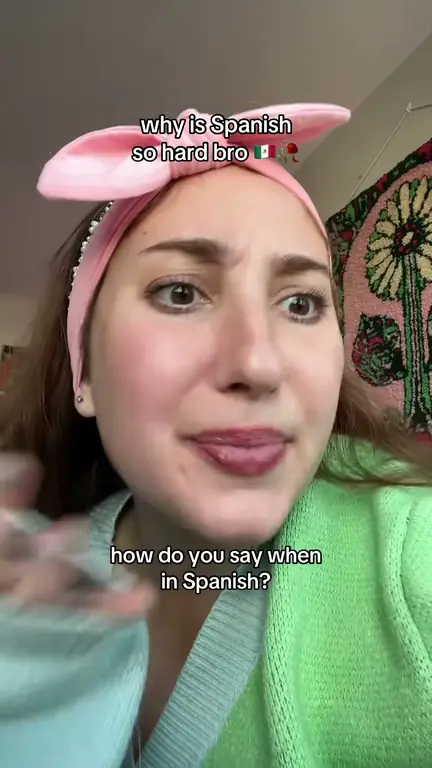
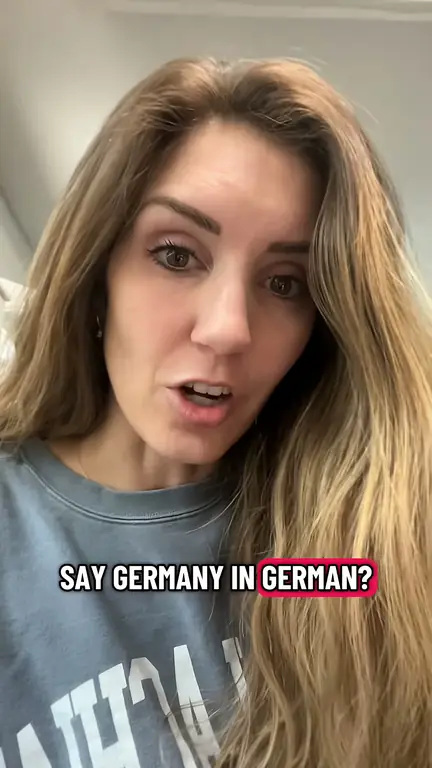
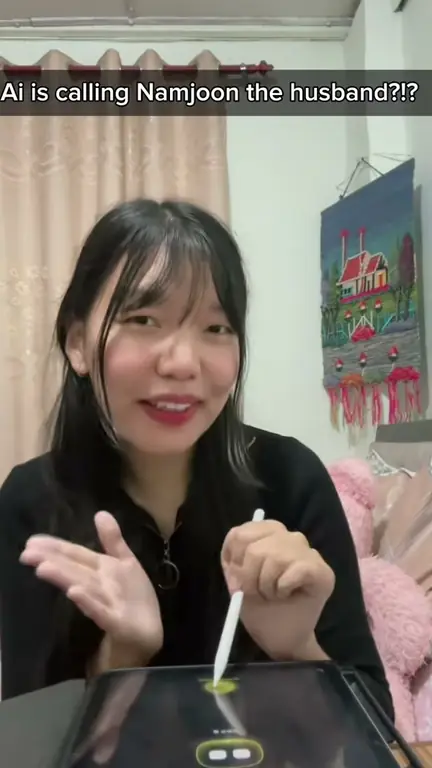
Learners film their Tooter practice
Real videos from Tooter creators practicing with their tutor. Public TikTok counts, October 26, 2026.
 Learning Spanish
- 1.5K likes
- 31 comments
- 526 shares
 Learning Spanish
- 777 likes
- 26 comments
- 201 shares
 Learning Spanish
- 374 likes
- 10 comments
- 49 shares
 Learning German
- 26.9K likes
- 694 comments
- 3.9K shares
 Learning Korean
- 9.3K likes
- 124 comments
- 912 shares
 Learning Korean
- 3K likes
- 68 comments
- 412 shares
How to use mi amor
These examples use Latin American Spanish, the variety our Spanish pages teach.
Latin American. In Spain: te echo de menos.
Latin American phrasing. In Spain: ¿ya has comido?
Often said to a child.
The statement te amo plus the pet name. For a partner.
ah-MOHR MEE-oh. The same idea in reverse order: mío is the form of mi that follows a noun. It often sounds more tender, even a little dramatic.
Who says mi amor to whom
Partners
The most common use. Couples say mi amor all day, in calls, texts and in front of family.
Men and women alike
There's no male or female version. A woman calling her husband and a man calling his wife both say mi amor, and so do same-sex couples.
Parents and grandparents
To children of any age, from babies to grown-ups. It's affection, nothing more. To several kids at once, it becomes mis amores.
Friendly strangers
In parts of Latin America, some vendors, servers and older women use it with customers. It's warmth, not flirting, and a simple gracias is the right reply.
When not to use it
Skip it with your boss, a teacher or someone you just met. From a stranger who is clearly flirting, it's forward.
Mi amor vs amor mío vs te amo
Mi amor is something you call a person. Te amo is something you tell them. So mi amor on its own doesn't say I love you.
| Spanish | Meaning | How it's used |
|---|---|---|
| mi amor | my love | Everyday pet name |
| amor mío | my love | Often more tender |
| amor | love, honey | Short pet name |
| te amo | I love you | Deep, mostly romantic |
| te quiero | I love you | Warm, for family too |
| te amo, mi amor | I love you, my love | Statement plus pet name |
Mi amor and other Spanish pet names
Couples in Latin America mix these freely, and habits differ by country, so listen for what people around you say. Cariño is especially common in Spain. Gordo and gorda literally mean fat. Many couples in Latin America use them fondly, whatever the person's size, but they can hurt from anyone else and may offend in Spain, so only use them if your partner does.
| Spanish | Meaning | Who uses it |
|---|---|---|
| mi amor | my love | Partners and kids |
| cariño | dear, honey | Partners and family |
| mi vida | my life | Partners and family |
| mi cielo | my sky (sweetheart) | Partners and kids |
| corazón | heart (sweetheart) | Partners, kids, vendors |
| mi reina | my queen | To women and girls |
| mi rey | my king | To men and boys |
| mi sol | my sun | Partners and kids |
| amorcito | little love | Partners, playful |
| bebé | baby, babe | Partners, often younger |
| gordo, gorda | fat (affectionate) | Close partners, with care |
How to reply to mi amor
Three people call you mi amor: your partner, a market vendor, and a stranger at a party you'd rather not dance with. Say each reply out loud, then pick the one that fits. Every reply is correct Spanish; some just don't fit the moment.
Say it out loud with a Spanish tutor
Lifelike AI tutors play the other person and correct you as you speak. Pick one to start.
 Sofianatural correctionPractice with Sofia
 Luciafluency-drivenPractice with Lucia
 Valeriascenario-ledPractice with Valeria
 Albarhythm-awarePractice with Alba
 Carmenconversation-firstPractice with Carmen
 Claratravel-focusedPractice with Clara
 Martaculture-richPractice with Marta
 Elenaconfidence-buildingPractice with Elena
 @wallakpu.slowly.fluent
 @learningwith.michelle
Questions learners ask
What is the female version of mi amor?
There isn't one. Amor is a masculine noun that never changes, so you say mi amor to a woman, a man or a child, and men and women say it the same way.
What does mi amor mean from a guy or a girl?
It means the same from anyone: my love. The relationship sets the tone, so from a partner it's everyday affection and from someone you just met it's flirting.
Is mi amor flirty?
It can be. From a crush or someone you just met, it's flirty. From a mother, a grandmother or a friendly vendor, it's simply kind.
Is saying mi amor serious?
Between partners it's normal and affectionate. From friends of the family or strangers it's usually just warmth. Early in dating, it signals strong interest.
How do you reply to mi amor?
From a partner, answer naturally (¿Sí, mi amor?) or use another pet name like mi vida or cariño. From a friendly stranger, gracias with a smile is enough.
What language is mi amor?
Spanish. Mi amore, with an e, isn't correct in Spanish or Italian. Italians say amore mio, French speakers say mon amour and Portuguese speakers say meu amor.
What does te amo, mi amor mean?
It means I love you, my love. Te amo is the statement and mi amor is the pet name, so it's something you'd say to a partner.
What are some romantic Spanish phrases?
Start with te amo (I love you), te extraño (I miss you), me encantas (I'm crazy about you) and eres el amor de mi vida (you're the love of my life). You can practice saying them out loud with an AI tutor in Tooter.
Practice saying mi amor out loud.
Answer a few quick questions, then practice out loud with a tutor.
By the Tooter Editorial Team. Updated November 5, 2026. Tooter tutors are AI characters, not human teachers.