 Tooter
How to say good morning in Spanish
Good morning in Spanish is buenos días (BWEH-nohs DEE-ahs). Use it until about noon, then switch to buenas tardes. Buen día is just as correct and is the usual form in Argentina and Uruguay. To reply, simply say buenos días back.
Practice it with a tutor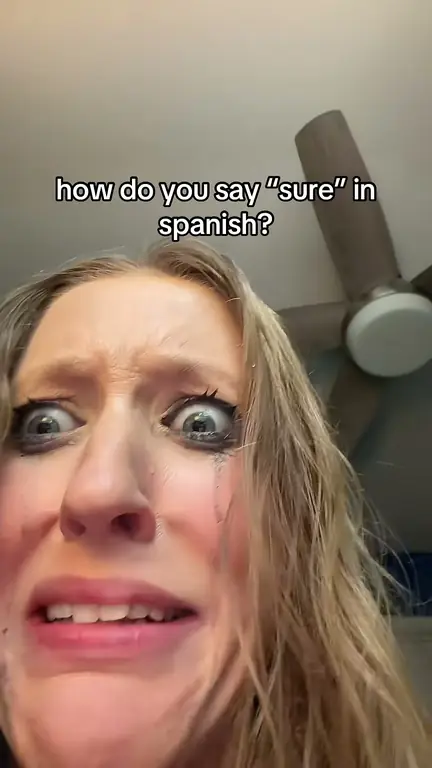 Learning Spanish
- 102.8K likes
- 737 comments
- 22.9K shares
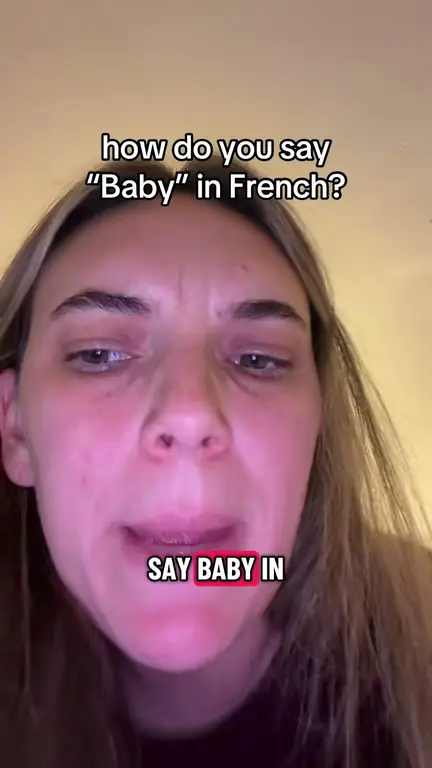 Learning French
- 112.3K likes
- 1.4K comments
- 128.7K shares
 Learning Korean
- 95.6K likes
- 1.5K comments
- 20.1K shares
Where will you say buenos días?
Pick one to start your plan. It takes about a minute.
Every way to say good morning
Buenos días works everywhere. The rest add warmth for friends, family and partners.
The standard greeting in every country, with anyone, until about midday.
The usual form in Argentina and Uruguay, and heard in Mexico and many other countries too.
A short, friendly hi that works any time of day.
To open a meeting, a class or a group chat.
Warm and common in Mexico, Colombia and Central America, especially with family. With usted: ¿Cómo amaneció?
For a partner, or a parent to a child.
Playful teasing for someone who slept late. Dormilón for a male, dormilona for a female.
A friendly goodbye in the morning. With usted: ¡Que tenga un buen día!
Learners film their Tooter practice
Real videos from Tooter creators practicing with their tutor. Public TikTok counts, October 26, 2026.
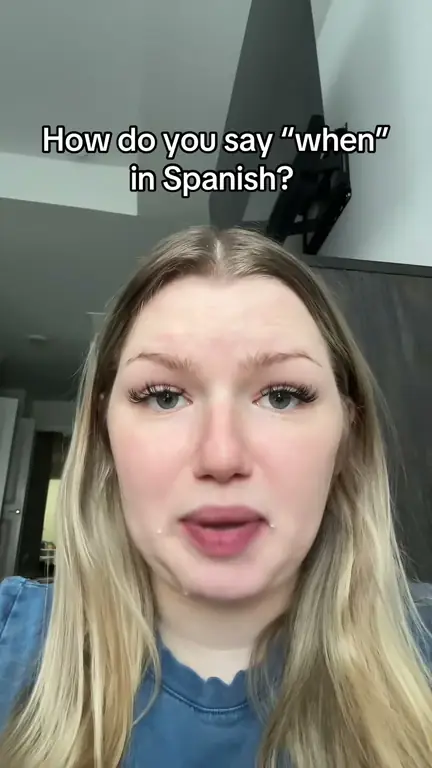 Learning Spanish
- 1.5K likes
- 31 comments
- 526 shares
 Learning Spanish
- 777 likes
- 26 comments
- 201 shares
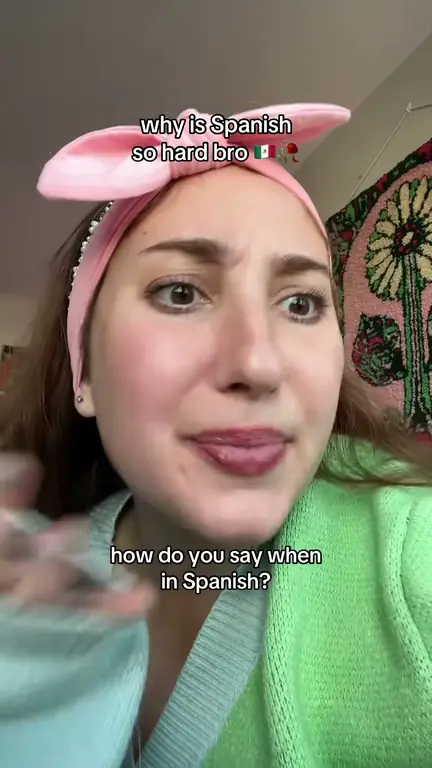 Learning Spanish
- 374 likes
- 10 comments
- 49 shares
 Learning German
- 26.9K likes
- 694 comments
- 3.9K shares
 Learning Korean
- 9.3K likes
- 124 comments
- 912 shares
 Learning Korean
- 3K likes
- 68 comments
- 412 shares
Good morning at a hotel front desk
Asking about breakfast before heading out.
How to use buenos días
Keep it plural
Días is plural, so it's buenos días, never buenos día or buen días. Buen día (both singular) is a separate, correct form.
Know when the morning ends
Switch to buenas tardes after noon. In Spain many people keep saying buenos días until lunch, which is often around 2 p.m.
Glide the ue
Say buenos as two beats, BWEH-nohs, with the ue as one quick glide. The d in días is softer than an English d, with the tongue touching the back of your upper teeth.
Greet the room
It's polite to say buenos días when you walk into a small shop, a waiting room or even an elevator. People will often say it back.
How to reply, and what to say later in the day
Most of the time you just say buenos días back. These cover the rest.
- politeMuy buenos díasA very good morning to you
A warmer, slightly emphatic reply. Common from shopkeepers, hosts and older people.
- formalBuenos días, ¿cómo está?Good morning, how are you?
Reply and ask back, with usted. To a friend: Buenos días, ¿cómo estás?
- politeIgualmenteSame to you
The reply when someone says ¡Que tenga un buen día! as you leave.
- politeBuenas tardesGood afternoon
From noon (or lunch, in Spain) until it gets dark.
- politeBuenas nochesGood evening / Good night
After dark, both as a greeting and when you leave or go to bed.
Say it out loud with a Spanish tutor
Lifelike AI tutors play the other person and correct you as you speak. Pick one to start.
 Sofianatural correctionPractice with Sofia
 Luciafluency-drivenPractice with Lucia
 Valeriascenario-ledPractice with Valeria
 Albarhythm-awarePractice with Alba
 Carmenconversation-firstPractice with Carmen
 Claratravel-focusedPractice with Clara
 Martaculture-richPractice with Marta
 Elenaconfidence-buildingPractice with Elena
 @wallakpu.slowly.fluent
 @learningwith.michelle
Questions learners ask
How do Mexicans say good morning?
Mostly buenos días, the same as everywhere else, and buen día is common too. Family and friends also ask ¿cómo amaneciste? (how did you wake up?), a warm way to check in first thing.
Do I say buenos días or buen día?
Both are correct. Buenos días is used in every country. Buen día is standard in Argentina and Uruguay and common elsewhere, and it can also mean have a good day.
How do I reply to buenos días?
Say buenos días back, or muy buenos días to sound extra warm. You can add a question: Buenos días, ¿cómo está? With Tooter you can practice that morning exchange out loud with an AI tutor until it comes out naturally.
What is a flirty way to say good morning in Spanish?
Try buenos días, hermosa (to a woman) or buenos días, guapo (to a man). With a partner, buenos días, mi amor is sweet. In Spain, buenos días, guapa is very common and light.
What is a warm way to say good morning in Spanish?
Muy buenos días (a very good morning) sounds warm with anyone. With family and friends in Latin America, ¿cómo amaneciste? (how did you wake up?) shows you care how their night went.
What are 5 greetings in Spanish?
Hola (hi), buenos días (good morning), buenas tardes (good afternoon), buenas noches (good evening) and ¿qué tal? (how's it going?). Those five cover almost every situation.
Until what time can you say buenos días?
Until about noon in most of Latin America. In Spain, where lunch is later, many people say buenos días until around 2 p.m. After that, use buenas tardes.
How do you say good afternoon and good evening in Spanish?
Good afternoon is buenas tardes, from noon until dark. Good evening is buenas noches, which also means good night when you leave or go to bed.
Say buenos días to a tutor today.
Answer a few quick questions, then practice out loud with a tutor.
Updated October 29, 2026. Tooter tutors are AI characters, not human teachers.