 Tooter
How to say goodbye in Japanese
The textbook word for goodbye in Japanese is さようなら (sayōnara), but it sounds final. In daily life people say じゃあね (jā ne) or またね (mata ne), "see you", to friends, and では、また (dewa, mata) or 失礼します (shitsurei shimasu) in polite settings.
Practice it with a tutor Learning Japanese
- 43 likes
- 2 comments
- 9 shares
 Learning French
- 112.3K likes
- 1.4K comments
- 128.7K shares
 Learning Spanish
- 102.8K likes
- 737 comments
- 22.9K shares
Where will you say goodbye?
Pick one to start your plan. It takes about a minute.
Every way to say goodbye
Most Japanese goodbyes assume you will meet again. Pick one that fits who you are leaving.
Sounds final, for long partings. Kids also say it to teachers after school. Often searched as sayonara, without the long o.
The everyday goodbye between friends.
Friendly, implies you will meet again.
From English. Common with kids and among young friends.
Add ね for warmth. For a polite version, say では、また明日 (dewa, mata ashita). Reading: またあした.
Polite and light, good with acquaintances. Casual form: じゃあ、また.
The standard way to leave work while others stay. Reading: おさきにしつれいします.
Said to someone heading home. Add ください for a polite version. Reading: きをつけて.
Learners film their Tooter practice
Real videos from Tooter creators practicing with their tutor. Public TikTok counts, October 26, 2026.
 Learning Korean
- 95.6K likes
- 1.5K comments
- 20.1K shares
 Learning German
- 26.9K likes
- 694 comments
- 3.9K shares
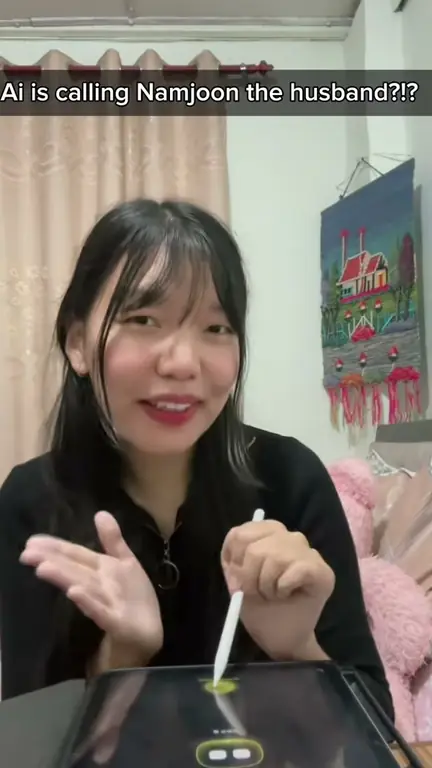 Learning Korean
- 9.3K likes
- 124 comments
- 912 shares
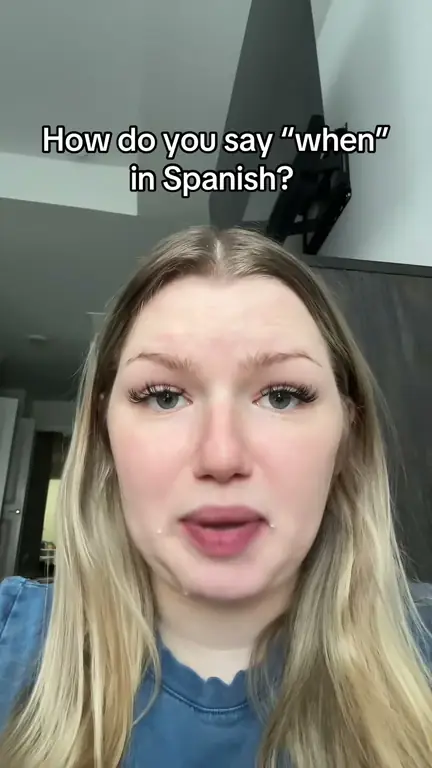 Learning Spanish
- 1.5K likes
- 31 comments
- 526 shares
 Learning Korean
- 3K likes
- 68 comments
- 412 shares
 Learning Korean
- 3.2K likes
- 44 comments
- 367 shares
Which goodbye to use
Pick by who you're leaving and whether you'll see them again soon.
| Japanese | Romaji | Say it to |
|---|---|---|
| じゃあね | jā ne | Friends, family |
| またね | mata ne | Friends you'll see again |
| では、また | dewa, mata | Acquaintances |
| 失礼します | shitsurei shimasu | Teachers, clients, calls |
| お先に失礼します | osaki ni shitsurei shimasu | Coworkers still working |
| お邪魔しました | ojama shimashita | A host, leaving a home |
| さようなら | sayōnara | Long or final partings |
Leaving work for the day
You finish before your coworker Ms. Satō. Say goodbye the way people do at a Japanese office.
Pick the best reply
Jun says goodbye three times. Say each reply out loud, then pick the one that fits. Every reply is correct Japanese; some just don't fit the moment.
Tips for Japanese goodbyes
Hold the long o in sayōnara
It is sa-yō-na-ra, with a two-beat o. That is why you will also see it spelled sayounara, though most people search for sayonara.
Don't use sayonara with friends
Saying さようなら to a friend you will see next week can sound like you are ending the friendship. Use じゃあね or またね.
Use お疲れ様 at work
When a coworker leaves, reply お疲れ様でした (otsukaresama deshita). It thanks them for their effort and works as goodbye.
Bow a little as you go
A small nod or bow goes with polite goodbyes like 失礼します and お先に失礼します. With friends, a wave is enough.
Say it out loud with a Japanese tutor
Lifelike AI tutors play the other person and correct you as you speak. Pick one to start.
 Yukirhythm-awarePractice with Yuki
 Hanaconversation-firstPractice with Hana
 Aikotravel-focusedPractice with Aiko
 Meiculture-richPractice with Mei
 Sakuraconfidence-buildingPractice with Sakura
 Rinnatural correctionPractice with Rin
 Emifluency-drivenPractice with Emi
 Haruculture-richPractice with Haru
 @brittslowlyfluent
 @learningwith.emma
Questions learners ask
How do you say goodbye in Japanese?
With friends say じゃあね (jā ne) or またね (mata ne). In polite settings say では、また (dewa, mata) or 失礼します (shitsurei shimasu). さようなら (sayōnara) is for long or final partings.
How do you say bye in Japanese?
With friends, say じゃあね (jā ne), またね (mata ne) or バイバイ (baibai). Young people use バイバイ a lot, and kids too.
What does sayonara mean?
さようなら (sayōnara) means goodbye, with a feeling of not meeting again for a long time. It comes from an old phrase meaning "if that is so, then". More on sayonara.
Is sayonara rude?
No, it is polite. It can just sound too final or distant for friends and coworkers you will see again soon.
What does ja ne mean?
じゃあね (jā ne) means "well then" or "see you". It is the casual goodbye among friends and family. A Tooter AI tutor can play a friend so you can practice casual goodbyes out loud.
How do you say see you later in Japanese?
Say またね (mata ne) or また後で (mata ato de), which means "see you later" today. For tomorrow, say また明日 (mata ashita).
How do you say goodbye on the phone in Japanese?
Politely, say それでは、失礼します (sore dewa, shitsurei shimasu) before hanging up. With friends, じゃあね or またね is fine.
What do you say when leaving someone's house?
Say お邪魔しました (ojama shimashita), literally "I disturbed you". It thanks the host for having you. When you arrive, say お邪魔します (ojama shimasu).
Say またね to a tutor today.
Answer a few quick questions, then practice out loud with a tutor.
By the Tooter Editorial Team. Updated November 15, 2026. Tooter tutors are AI characters, not human teachers. Romanization follows Hepburn romanization.