 Tooter
How to say why in Spanish
Why in Spanish is ¿por qué? (por KEH): two words, with an accent on qué. The answer, because, is porque: one word, no accent. ¿Por qué no? means why not, and ¿para qué? asks what something is for.
Practice it with a tutor Learning Spanish
- 102.8K likes
- 737 comments
- 22.9K shares
 Learning French
- 112.3K likes
- 1.4K comments
- 128.7K shares
 Learning Korean
- 95.6K likes
- 1.5K comments
- 20.1K shares
Where will you ask ¿por qué?
Pick one to start your plan. It takes about a minute.
Every way to ask why in Spanish
¿Por qué? (why?) is the standard Spanish question for a reason, fine with anyone. ¿Y eso? is a casual how come among friends, ¿para qué? asks about the purpose, and a sharp por qué can sound like a challenge.
The standard question word, with anyone. The u in qué is silent: por KEH.
Asks for a reason, or agrees to a plan, just like why not in English.
Short and very common in Latin America when something surprises you.
Asks about the purpose or goal, not the cause.
When someone's comment makes you curious. With usted: ¿por qué lo dice?
¿Por qué no plus a verb is a friendly way to suggest a plan.
Asks for more after someone gives you news.
Polished and neutral, for work, customer service or news.
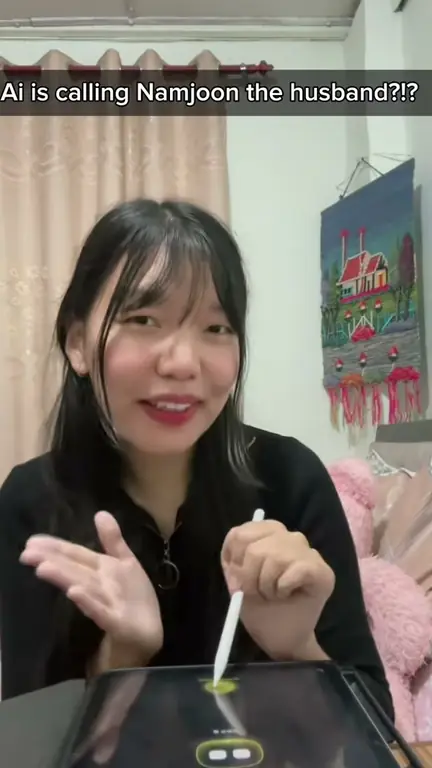
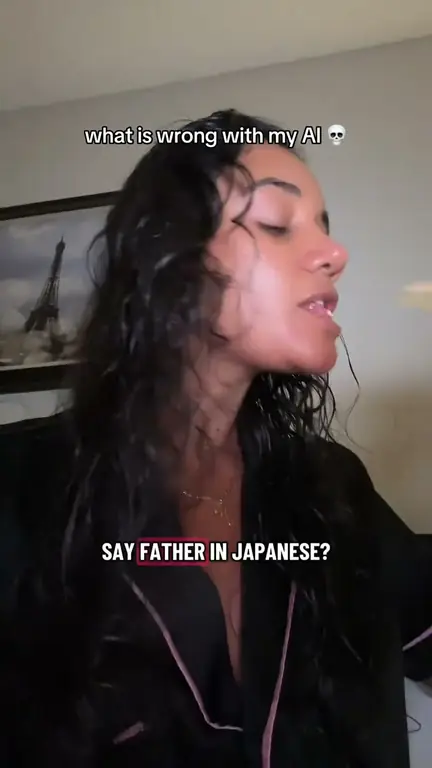
Learners film their Tooter practice
Real videos from Tooter creators practicing with their tutor. Public TikTok counts, October 26, 2026.
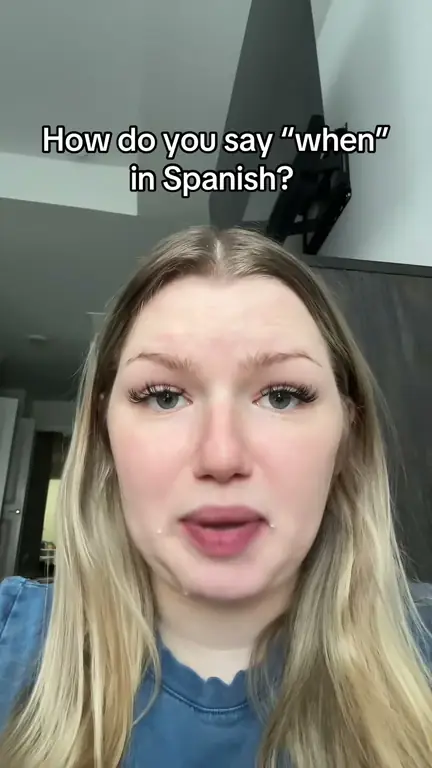 Learning Spanish
- 1.5K likes
- 31 comments
- 526 shares
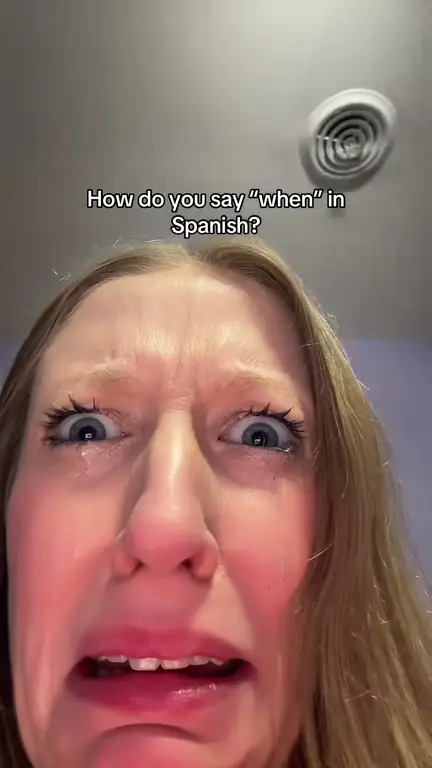 Learning Spanish
- 777 likes
- 26 comments
- 201 shares
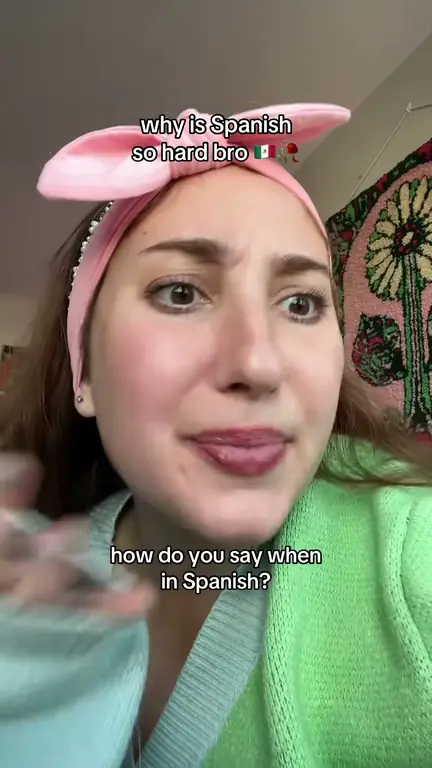 Learning Spanish
- 374 likes
- 10 comments
- 49 shares
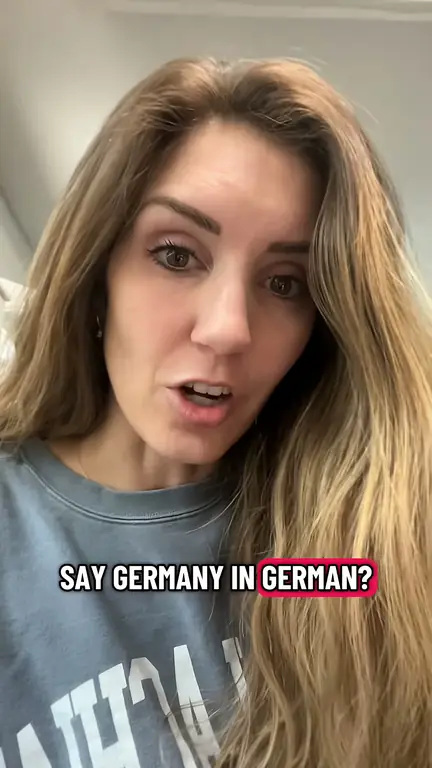 Learning German
- 26.9K likes
- 694 comments
- 3.9K shares
 Learning Korean
- 9.3K likes
- 124 comments
- 912 shares
 Learning Korean
- 3K likes
- 68 comments
- 412 shares
Por qué, porque, porqué and para qué
They sound almost the same, so the spelling tells you which one you mean. In a question, it's two words with an accent.
| Spanish | Meaning | Use it for |
|---|---|---|
| ¿Por qué? | Why? | Questions |
| No sé por qué | I don't know why | Hidden questions |
| Porque | Because | Answers and reasons |
| El porqué | The reason | A noun, with el |
| ¿Para qué? | What for? | Purpose or goal |
Asking why plans changed
A friend cancels on Saturday's party. Ask why, then suggest another day.
How to answer ¿por qué? in Spanish
Most Spanish answers to ¿por qué? (why?) start with porque, meaning because, written as one word with no accent: porque tengo que trabajar. Es que softens an excuse, and porque sí means just because.
- politePorque tengo que trabajar.Because I have to work.
Porque plus a full sentence is the usual answer.
- casualEs que no tengo tiempo.The thing is, I don't have time.
Es que softens an excuse. Very common in everyday speech.
- casualPor eso.That's why.
Points back to a reason someone just gave.
- casualPorque sí.Just because.
Ends the discussion. It can sound curt, like a parent's answer to a child.
- politeNo sé por qué.I don't know why.
Still written por qué with an accent, because it hides a question.
- casual¿Por qué lo preguntas?Why do you ask?
With usted: ¿por qué lo pregunta?
Pick the best reply
Say each reply out loud, then pick the one that fits. Every reply is correct Spanish; some just don't fit the moment.
How to pronounce and write por qué
Spanish por qué (why) sounds like por KEH, with the stress on qué. The u is silent, the r in por is one quick tap, and porque (because) sounds almost the same.
Stress the qué
Say por KEH. The qu sounds like k and the u is silent. The r in por is a single quick tap.
Two words to ask, one to answer
Questions use por qué, two words with an accent. Answers use porque, one word with no accent. In speech they sound almost the same, so the stress on qué is your clue.
Open the question too
Written Spanish opens questions with an upside-down mark: ¿Por qué? In texts many people skip it, but in anything formal, keep it.
Watch your tone
A sharp ¿por qué? can sound like a challenge. Soften it with ¿y eso? among friends, or add a reason for asking: ¿por qué? Tengo curiosidad (I'm curious).
Say it out loud with a Spanish tutor
Lifelike AI tutors play the other person and correct you as you speak. Pick one to start.
 Sofianatural correctionPractice with Sofia
 Luciafluency-drivenPractice with Lucia
 Valeriascenario-ledPractice with Valeria
 Albarhythm-awarePractice with Alba
 Carmenconversation-firstPractice with Carmen
 Claratravel-focusedPractice with Clara
 Martaculture-richPractice with Marta
 Elenaconfidence-buildingPractice with Elena
 @wallakpu.slowly.fluent
 @learningwith.michelle
Questions learners ask
How do you say why in Spanish?
Say ¿por qué? (por KEH). It's two words, with an accent on qué, and it works with anyone.
What is the difference between por qué and porque?
Por qué asks the question: why? Porque gives the answer: because. ¿Por qué no vienes? Porque estoy ocupado means Why aren't you coming? Because I'm busy.
How do you say why not in Spanish?
Say ¿por qué no? It asks for a reason, and it also agrees to a plan, just like in English. ¿Por qué no plus a verb suggests something: ¿por qué no cenamos juntos? means why don't we have dinner together?
What is the difference between por qué and para qué?
Por qué asks about the cause and para qué asks about the purpose. ¿Por qué estudias? asks what made you study, and ¿para qué estudias? asks what you're studying for.
How do you say that's why in Spanish?
Say por eso. Estoy cansado, por eso no salgo means I'm tired, that's why I'm not going out.
What does porque sí mean?
Porque sí means just because. It ends the discussion without a reason, so it can sound curt outside of jokes and family arguments. Porque no is the same for a refusal.
Is it por qué or porqué?
In a question, write por qué, two words. Porqué, one word with an accent, is a noun meaning the reason, and it takes el: no entiendo el porqué means I don't understand the reason.
How can I practice asking why in Spanish?
Ask follow-up questions out loud, since that's where ¿por qué? and ¿y eso? come up naturally. A Tooter AI tutor can play a friend with news and correct your questions as you speak. For more everyday lines, see these Spanish phrases.
Ask ¿por qué? in a real conversation.
Answer a few quick questions, then practice out loud with a tutor.
By the Tooter Editorial Team. Updated November 10, 2026. Tooter tutors are AI characters, not human teachers.