 Tooter
How to say I don't know in Spanish
I don't know in Spanish is no sé (noh SEH), from the verb saber. Say no lo sé for a specific fact, ni idea for no idea, and no estoy seguro (or segura, for a woman) when you're unsure. Keep the accent: sé means I know.
Practice it with a tutor Learning Spanish
- 102.8K likes
- 737 comments
- 22.9K shares
 Learning French
- 112.3K likes
- 1.4K comments
- 128.7K shares
 Learning Korean
- 95.6K likes
- 1.5K comments
- 20.1K shares
When will you need to say no sé?
Pick one to start your plan. It takes about a minute.
Every way to say I don't know
No sé fits almost every moment. The others say how sure you are, or how politely you're saying it.
The everyday answer, with anyone.
About a specific fact. Sounds a little more complete.
Can sound blunt with strangers.
A man says seguro.
A woman says segura.
Polite, for customers and strangers. With tú: no sabría decirte.
Learners film their Tooter practice
Real videos from Tooter creators practicing with their tutor. Public TikTok counts, October 26, 2026.
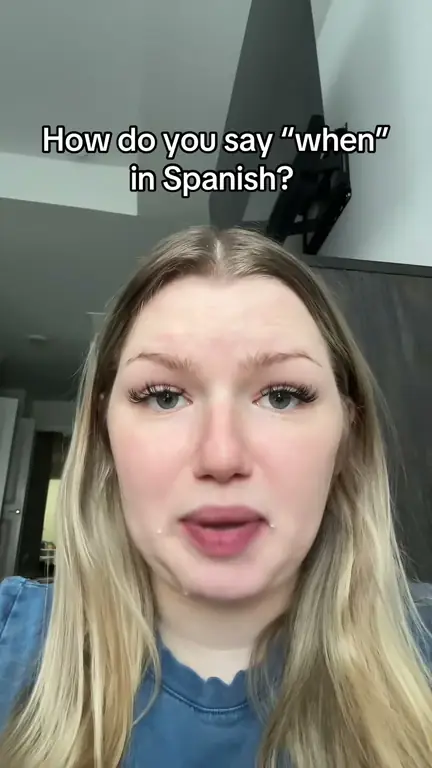 Learning Spanish
- 1.5K likes
- 31 comments
- 526 shares
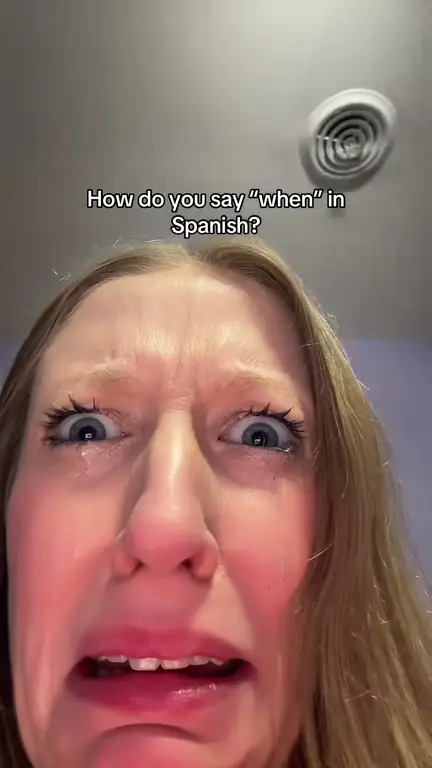 Learning Spanish
- 777 likes
- 26 comments
- 201 shares
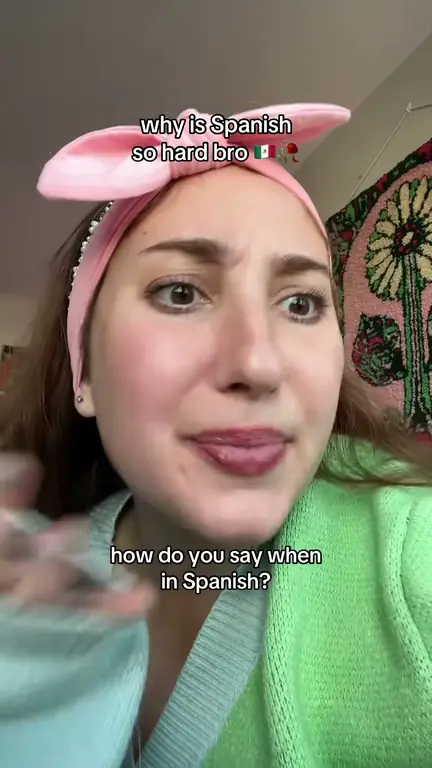 Learning Spanish
- 374 likes
- 10 comments
- 49 shares
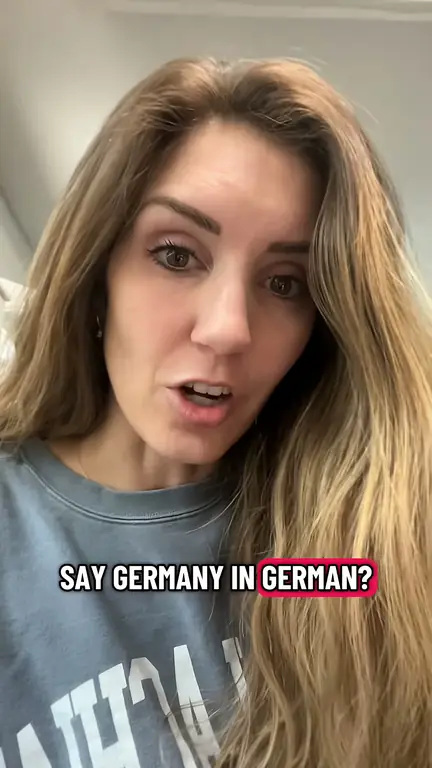 Learning German
- 26.9K likes
- 694 comments
- 3.9K shares
 Learning Korean
- 9.3K likes
- 124 comments
- 912 shares
 Learning Korean
- 3K likes
- 68 comments
- 412 shares
No sé or no conozco: saber vs conocer
No sé (I don't know) is the Spanish answer for facts and information, with anyone. For a person or a place you've never met or visited, Spanish uses conocer instead: no conozco a Ana, no conozco Lima.
| Spanish | Means | Use for |
|---|---|---|
| no sé | I don't know | Facts, answers |
| no sé nadar | I can't swim | Skills |
| no conozco a Ana | I don't know Ana | People |
| no lo conozco | I don't know him | People |
| no conozco Lima | I've never been to Lima | Places |
When a stranger asks for directions
You're visiting a new city. Andrés stops you on the street.
What to say after I don't know
A bare no sé can sound like the end of the conversation. These keep it going, at work or with friends.
- politeNo sé, pero puedo averiguarloI don't know, but I can find out
Strong in a job interview or at work.
- casualDéjame verLet me see
With usted: déjeme ver.
- formalDéjeme preguntarLet me ask
- casualTodavía no séI don't know yet
- casualNo me acuerdoI don't remember
- casualNo sé qué hacerI don't know what to do
- slang¿Y yo qué sé?How should I know?
Can sound rude. Use it only with close friends.
Pick the best reply
Three questions you can't answer. Say each reply out loud, then pick the one that fits. Every reply is correct Spanish; some just don't fit the moment.
How to pronounce no sé
In Spanish, no sé (I don't know) is noh SEH: two short syllables with the stress on sé and pure vowels, with no English oh-oo glide on no. The accent on sé also matters in writing.
Stress the sé
Say noh SEH, with a short, clean e and the stress on sé. In writing, the accent matters: se without it is a different word.
Shrug it out
Spanish speakers often soften it: pues, no sé (well, I don't know) or la verdad, no sé (honestly, I don't know). Both sound natural and friendly.
Saber for facts, conocer for people
No sé is about information. If you've never met someone or been somewhere, say no lo conozco or no conozco ese lugar.
Match the gender
No estoy seguro is what a man says, no estoy segura what a woman says. No sé and ni idea never change.
Say it out loud with a Spanish tutor
Lifelike AI tutors play the other person and correct you as you speak. Pick one to start.
 Sofianatural correctionPractice with Sofia
 Luciafluency-drivenPractice with Lucia
 Valeriascenario-ledPractice with Valeria
 Albarhythm-awarePractice with Alba
 Carmenconversation-firstPractice with Carmen
 Claratravel-focusedPractice with Clara
 Martaculture-richPractice with Marta
 Elenaconfidence-buildingPractice with Elena
 @wallakpu.slowly.fluent
 @learningwith.michelle
Questions learners ask
How do you say I don't know in Spanish?
Say no sé (noh SEH). It works in any situation, with friends or strangers.
What is the difference between no sé and no lo sé?
They mean the same. No lo sé adds lo (it) and points to a specific fact, so it can sound slightly more complete or emphatic.
How do you say I don't know formally in Spanish?
No lo sé is polite. With customers or at work, no sabría decirle (I couldn't tell you) sounds courteous, and you can add lo siento (sorry).
How do you say no idea in Spanish?
Say ni idea or no tengo ni idea. Both are casual and can sound blunt with people you don't know.
How do you say I'm not sure in Spanish?
A man says no estoy seguro and a woman says no estoy segura. Creo que sí (I think so) is a softer half answer.
Is it no sé or no se?
Write no sé, with an accent. Sé is I know, from saber; se without an accent is a pronoun.
When do you use conocer instead of saber?
Use conocer for people and places you know or have been to: no conozco a tu hermano. Use saber for facts and skills.
How can I practice saying I don't know in Spanish?
Answer questions you can't answer, out loud, with a follow-up. Tooter's Spanish tutors speak Latin American Spanish and can play a stranger or an interviewer, correcting you as you speak. For more questions, see what in Spanish.
Practice no sé with a tutor.
Answer a few quick questions, then practice out loud with a tutor.
By the Tooter Editorial Team. Updated November 19, 2026. Tooter tutors are AI characters, not human teachers.