 Tooter
How to say of course in Spanish
Of course in Spanish is claro, said KLAH-roh, or por supuesto, said por soo-PWEHS-toh. Claro is the everyday choice, and claro que sí makes it warmer. Por supuesto sounds a little more polished. Of course not is claro que no or por supuesto que no.
Practice it with a tutor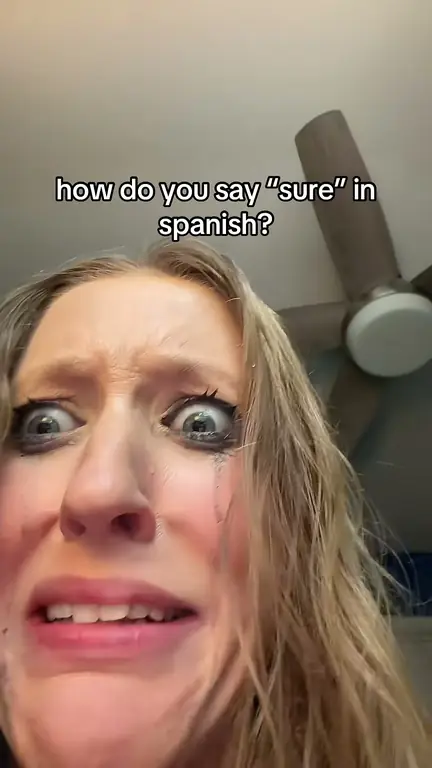 Learning Spanish
- 102.8K likes
- 737 comments
- 22.9K shares
 Learning French
- 112.3K likes
- 1.4K comments
- 128.7K shares
 Learning Korean
- 95.6K likes
- 1.5K comments
- 20.1K shares
Who will you say claro to?
Pick one to start your plan. It takes about a minute.
Every way to say of course
Claro and por supuesto work in every Spanish-speaking country. The rest add warmth, emphasis or a regional flavor.

The everyday yes to a request. Also means clear or light in color.
A little more careful than claro. Good at work and with strangers.
Warmer and more enthusiastic than claro alone.
Common in Mexico and much of Latin America, often from shop and hotel staff.
Heard most in Spain. Can also sound a bit annoyed, like well, obviously.
Casual Latin American speech among friends. Too blunt for strangers.
The natural answer to can I or could you questions.
Por supuesto que no is the more emphatic version.
Learners film their Tooter practice
Real videos from Tooter creators practicing with their tutor. Public TikTok counts, October 26, 2026.
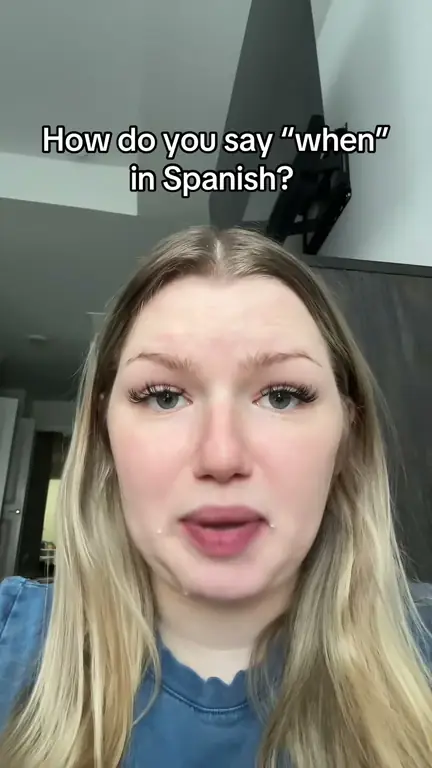 Learning Spanish
- 1.5K likes
- 31 comments
- 526 shares
 Learning Spanish
- 777 likes
- 26 comments
- 201 shares
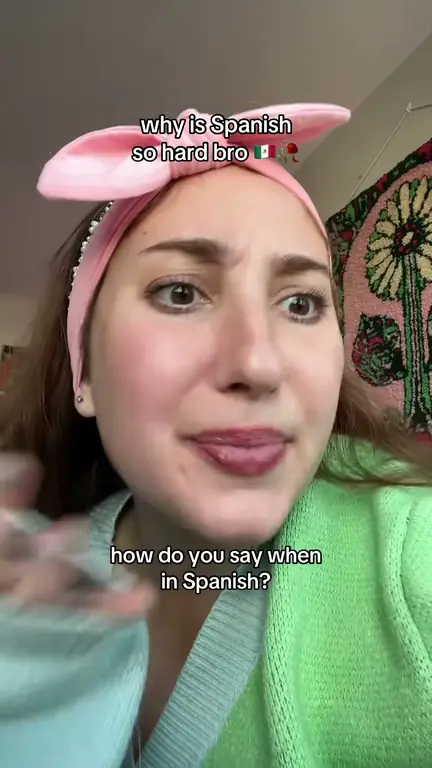 Learning Spanish
- 374 likes
- 10 comments
- 49 shares
 Learning German
- 26.9K likes
- 694 comments
- 3.9K shares
 Learning Korean
- 9.3K likes
- 124 comments
- 912 shares
 Learning Korean
- 3K likes
- 68 comments
- 412 shares
Claro or por supuesto?
Claro (of course, sure) is the friendly everyday Spanish yes to a request. Por supuesto is more careful, for work and strangers, while obvio sounds blunt and is only for friends.
| Spanish | Feels like | Use it |
|---|---|---|
| claro | sure | Friends, everyday |
| claro que sí | absolutely | Warm, eager yes |
| por supuesto | of course | Work, strangers |
| ¡cómo no! | why not | Mexico, service |
| desde luego | certainly | Spain |
| obvio | duh | Friends only |
Saying yes to a favor
Diego, your coworker, needs a hand. Answer with of course and offer a little more.
Sure, no problem and of course not
Lines that sit next to of course in everyday talk.
- politecon mucho gustowith pleasure
A gracious yes to a request, common in Latin America.
- casualno hay problemano problem
Friendly and easy for any small favor.
- politepor supuesto que noof course not
A firm no, or a reassuring one: of course you're not bothering me.
- casual¿Por qué no?Why not?
A relaxed yes to an invitation.
- casualclaro que puedesof course you can
To someone asking permission. With usted: claro que puede.
- casual¡Claro que sí!You bet!
Said with energy, it's a cheerful, confident yes.
Pick the best reply
Sofía says three things. Say each reply out loud, then pick the one that fits. Every reply is correct Spanish; some just don't fit the moment.
How to pronounce claro and por supuesto
Spanish claro (of course) is said KLAH-roh, two syllables with the stress on the first. The r is one quick tap, like the tt in American butter, never the r of English clear.
Tap the r in claro
The r in claro is a single quick tap of the tongue, like the tt in American butter. KLAH-roh, never KLAIR-oh.
Four syllables in supuesto
Por su-pues-to: por soo-PWEHS-toh. The ue is one quick sound, like way, and the stress falls on it.
Answer the question you heard
To do you mind questions (¿te molesta?), of course not, claro que no, is the polite yes. Claro que sí there means it does bother you.
Watch your tone with obvio
Obvio and desde luego can sound like you think the question was silly. With strangers, stick to claro or por supuesto.
Say it out loud with a Spanish tutor
Lifelike AI tutors play the other person and correct you as you speak. Pick one to start.
 Sofianatural correctionPractice with Sofia
 Luciafluency-drivenPractice with Lucia
 Valeriascenario-ledPractice with Valeria
 Albarhythm-awarePractice with Alba
 Carmenconversation-firstPractice with Carmen
 Claratravel-focusedPractice with Clara
 Martaculture-richPractice with Marta
 Elenaconfidence-buildingPractice with Elena
 @wallakpu.slowly.fluent
 @learningwith.michelle
Questions learners ask
How do you say of course in Spanish?
Say claro (KLAH-roh) in everyday talk or por supuesto (por soo-PWEHS-toh) when you want to sound a bit more polished. Claro que sí is a warm, emphatic of course.
What is the difference between claro and por supuesto?
Both mean of course. Claro is shorter and more casual, while por supuesto sounds more careful and fits work, service and strangers.
What does claro que sí mean?
Claro que sí means of course, absolutely. It's an enthusiastic yes, often to an invitation or a favor.
How do you say of course not in Spanish?
Say claro que no, or the more emphatic por supuesto que no. Both work as a firm no and as a reassuring answer to do you mind questions.
What does cómo no mean in Spanish?
¡Cómo no! means of course or why not, a friendly yes. It's very common in Mexico and much of Latin America, especially from people serving you.
Is obvio rude in Spanish?
Not between friends, where it's just a casual of course. With strangers or at work it can sound like you think the question was obvious, so use claro instead.
Does claro mean clear in Spanish?
Yes. Claro also means clear or light in color, as in agua clara (clear water) or azul claro (light blue). As an answer, it means of course.
How can I practice saying of course in Spanish?
Practice answering requests out loud with claro and por supuesto, and mix in yes in Spanish variations. A Tooter AI tutor can ask you favors in a role play and correct your answers as you speak.
Say claro out loud with a tutor.
Answer a few quick questions, then practice out loud with a tutor.
By the Tooter Editorial Team. Updated November 16, 2026. Tooter tutors are AI characters, not human teachers.