 Tooter
How to say grandma in Spanish
Grandma in Spanish is abuela (ah-BWEH-lah). The affectionate form, like granny, is abuelita, and many families shorten it to abue. Grandpa is abuelo, and grandparents is abuelos. My grandma is mi abuela.
Practice it with a tutor Learning Spanish
- 102.8K likes
- 737 comments
- 22.9K shares
 Learning French
- 112.3K likes
- 1.4K comments
- 128.7K shares
 Learning Korean
- 95.6K likes
- 1.5K comments
- 20.1K shares
What will you tell your abuela?
Pick one to start your plan. It takes about a minute.
Every way to say grandma in Spanish
Abuela is the Spanish word for grandmother and also what many grandchildren call her. Abuelita sounds more loving and is very common in Latin America, while abuela materna and abuela paterna say which side of the family she's on.
The standard word, and also what many grandchildren call her.
The -ita ending adds love. Very common across Latin America, at any age.
A short, playful form that many families use when talking to her.
How you talk about her to other people.
Your mother's mother. In conversation people usually say la mamá de mi mamá.
Your father's mother. Often said as la mamá de mi papá.
Bis- adds a generation. Great-grandfather is bisabuelo.
The masculine plural covers grandma and grandpa together, or several grandfathers.
Learners film their Tooter practice
Real videos from Tooter creators practicing with their tutor. Public TikTok counts, October 26, 2026.
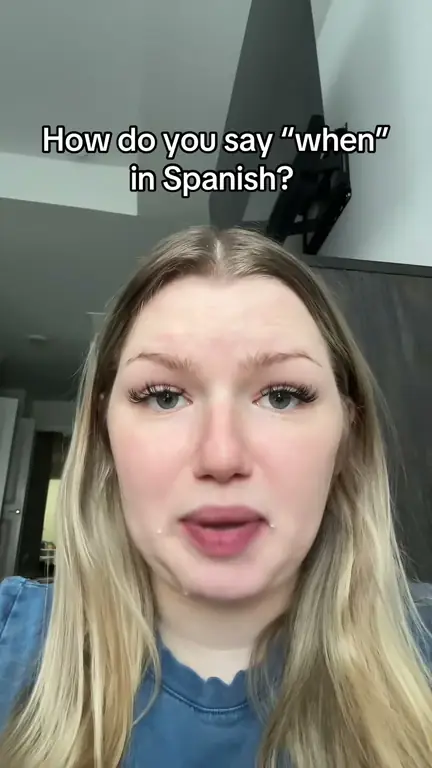 Learning Spanish
- 1.5K likes
- 31 comments
- 526 shares
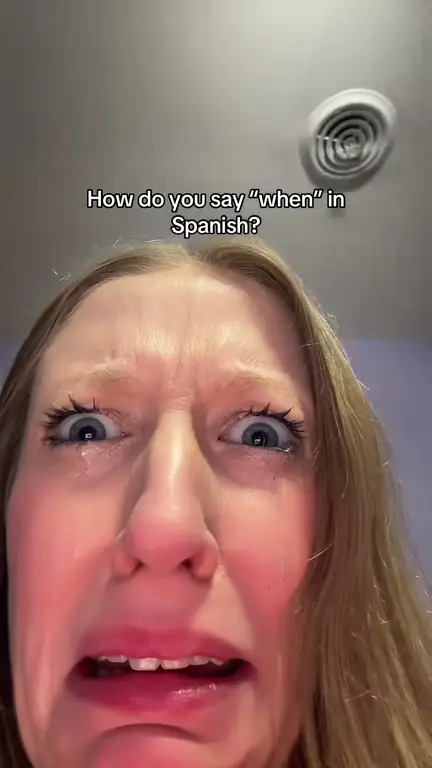 Learning Spanish
- 777 likes
- 26 comments
- 201 shares
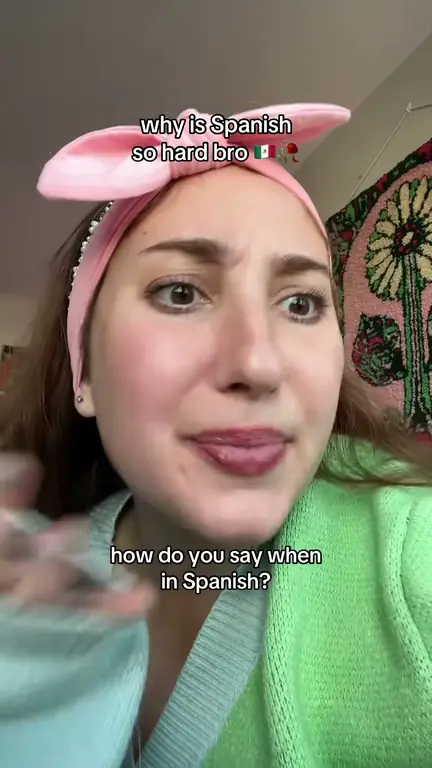 Learning Spanish
- 374 likes
- 10 comments
- 49 shares
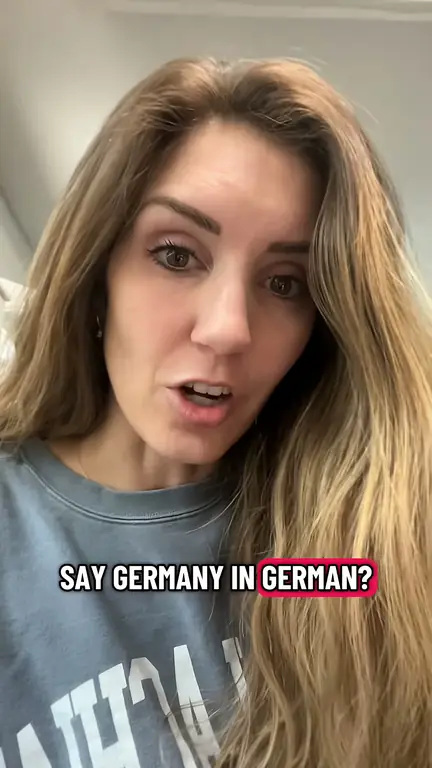 Learning German
- 26.9K likes
- 694 comments
- 3.9K shares
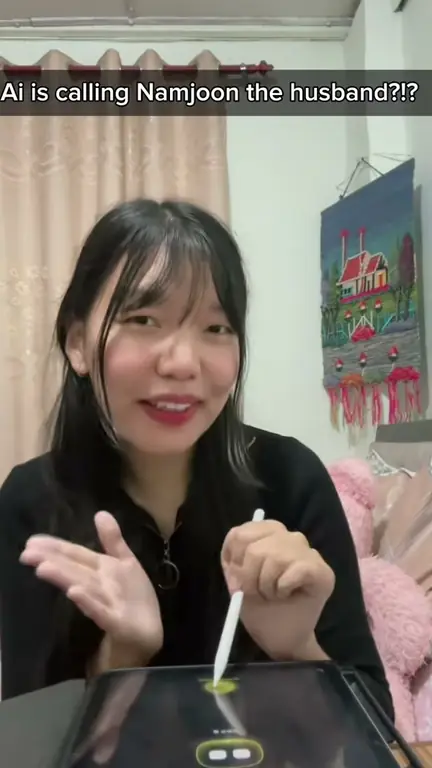 Learning Korean
- 9.3K likes
- 124 comments
- 912 shares
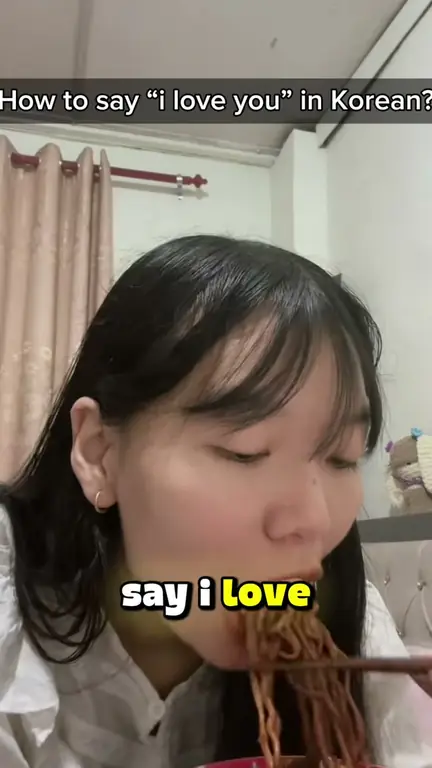 Learning Korean
- 3K likes
- 68 comments
- 412 shares
Grandma, grandpa and great-grandparents
Each word has a male form in -o and a female form in -a. A grandchild is nieto (grandson) or nieta (granddaughter).
| English | Spanish | Affectionate |
|---|---|---|
| Grandma | abuela | abuelita |
| Grandpa | abuelo | abuelito |
| Grandparents | abuelos | abuelitos |
| Great-grandma | bisabuela | bisabuelita |
| Great-grandpa | bisabuelo | bisabuelito |
Visiting your abuela
You walk into your grandmother's kitchen in Puebla. She calls you mijo, so the learner here is a grandson.
Sweet things to say to your grandma
Most families use tú with grandparents. Some, especially in rural areas, use usted out of respect.
- casualTe quiero mucho, abuela.I love you so much, Grandma.
Te quiero is the usual way to say I love you to family.
- casualTe extraño, abuelita.I miss you, Grandma.
Latin American. In Spain: te echo de menos.
- casual¡Feliz cumpleaños, abuela!Happy birthday, Grandma!
Add que cumplas muchos más (many more) for a full wish.
- casualTu comida es la mejor.Your cooking is the best.
A compliment every abuela likes to hear.
- politeVoy a visitar a mi abuela.I'm going to visit my grandma.
Note the a before mi abuela: Spanish puts a before a person who receives the action.
- politeMi abuela vive con nosotros.My grandma lives with us.
Common in many Latin American families.
Pick the best reply
Your grandma is talking to you. Say each reply out loud, then pick the one that fits. Every reply is correct Spanish; some just don't fit the moment.
How to pronounce and use abuela
Spanish abuela (grandma) has three beats, ah-BWEH-lah, stressed on bue. The b is soft, with the lips barely touching, and the ue glides like the we in wet.
Glide through bue
Abuela has three beats: ah-BWEH-lah. The b is soft, with the lips barely touching.
Use -ita for warmth
Abuelita and abuelito don't mean small. They sound loving, which is why so many grandchildren use them.
Te quiero, not te amo
With family, Spanish speakers usually say te quiero. Te amo is deeper and mostly for partners, though some families use it with parents and grandparents.
Tú or usted
Most grandchildren say tú to their grandparents today. If your family uses usted, follow their lead. Telling a Tooter AI tutor about your grandparents is good practice for both.
Say it out loud with a Spanish tutor
Lifelike AI tutors play the other person and correct you as you speak. Pick one to start.
 Sofianatural correctionPractice with Sofia
 Luciafluency-drivenPractice with Lucia
 Valeriascenario-ledPractice with Valeria
 Albarhythm-awarePractice with Alba
 Carmenconversation-firstPractice with Carmen
 Claratravel-focusedPractice with Clara
 Martaculture-richPractice with Marta
 Elenaconfidence-buildingPractice with Elena
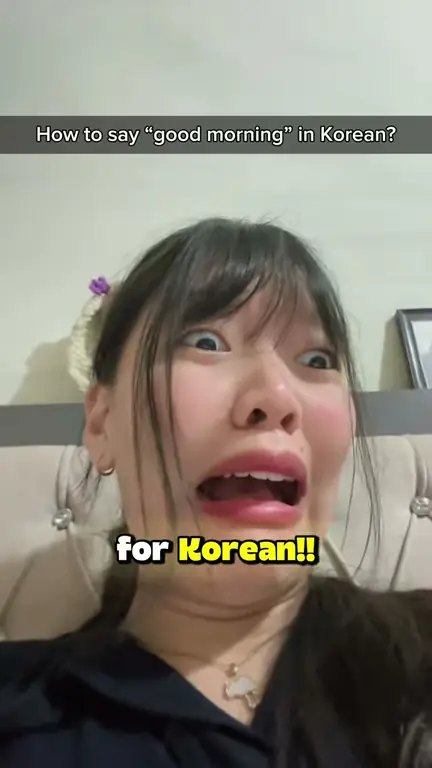 @wallakpu.slowly.fluent
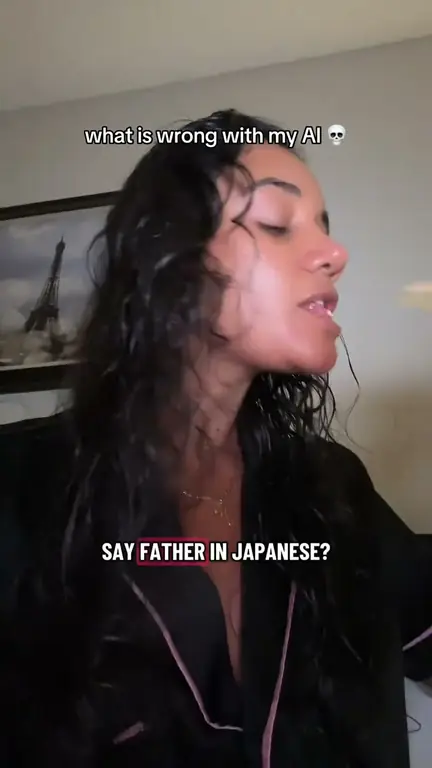 @learningwith.michelle
Questions learners ask
How do you say grandma in Spanish?
Grandma in Spanish is abuela (ah-BWEH-lah). The affectionate form is abuelita, and my grandma is mi abuela.
How do you say grandpa in Spanish?
Grandpa is abuelo, and the affectionate form is abuelito. Some families shorten it to abue, the same as for grandma.
What is the difference between abuela and abuelita?
They mean the same person. Abuela is the standard word, and abuelita adds warmth, like granny or grandma dear.
How do you say grandparents in Spanish?
Grandparents is abuelos. The masculine plural covers grandma and grandpa together: mis abuelos (my grandparents).
How do you say great-grandma in Spanish?
Great-grandma is bisabuela, and great-grandpa is bisabuelo. Great-great-grandma is tatarabuela.
How do you say I love you, grandma in Spanish?
Say te quiero, abuela, or te quiero mucho, abuelita for extra warmth. See I love you in Spanish for when to use te amo.
How do you pronounce abuela?
Say ah-BWEH-lah, with the stress on the middle syllable. The b is soft and the ue glides together into one sound.
Do you say tú or usted to your grandma?
Most people today say tú to their grandparents. Some families, especially older or rural ones, still use usted as a sign of respect.
Practice your family Spanish today.
Answer a few quick questions, then practice out loud with a tutor.
By the Tooter Editorial Team. Updated November 12, 2026. Tooter tutors are AI characters, not human teachers.