 Tooter
How to say dad in Spanish
Dad in Spanish is papá, said pah-PAH with the stress on the end, as in mi papá (my dad). Father is padre, which sounds more formal. Kids and close family also say papi. Keep the accent: papa without it means potato in Latin America.
Practice it with a tutor Learning Spanish
- 102.8K likes
- 737 comments
- 22.9K shares
 Learning French
- 112.3K likes
- 1.4K comments
- 128.7K shares
 Learning Korean
- 95.6K likes
- 1.5K comments
- 20.1K shares
Who will you talk about first?
Pick one to start your plan. It takes about a minute.
Every way to say dad
Papá is the word almost everyone uses for their own dad. The others change how warm or formal you sound.
The everyday word, from kids and adults alike.
How most people talk about their dad in Latin America.
For forms, speeches and serious talk. In Spain, mi padre is also everyday speech.
Affectionate, from small kids and close family. Between adults it can also be flirty.
Loving, not rude. Common in Argentina, Uruguay and Chile.
Mexican slang. Mis jefes means my parents.
Padres means parents, mom included, not only fathers.
Learners film their Tooter practice
Real videos from Tooter creators practicing with their tutor. Public TikTok counts, October 26, 2026.
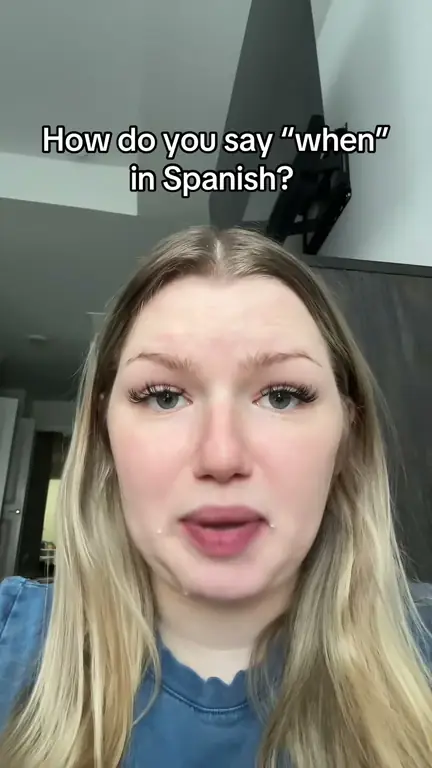 Learning Spanish
- 1.5K likes
- 31 comments
- 526 shares
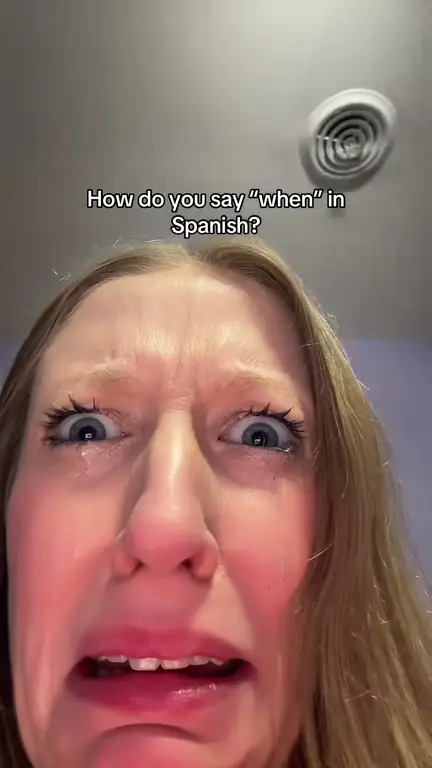 Learning Spanish
- 777 likes
- 26 comments
- 201 shares
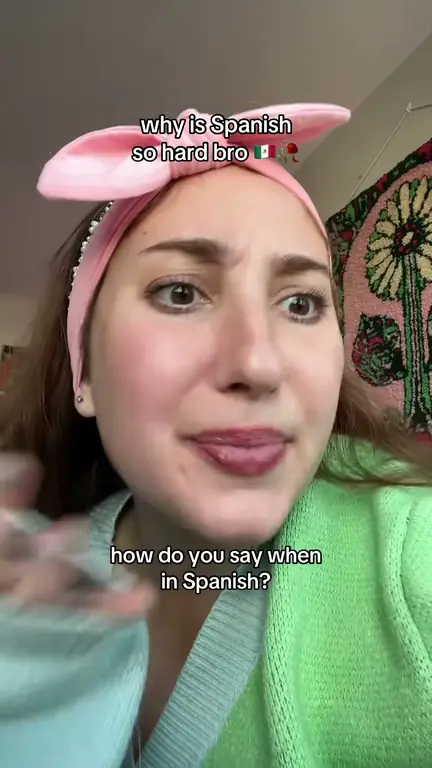 Learning Spanish
- 374 likes
- 10 comments
- 49 shares
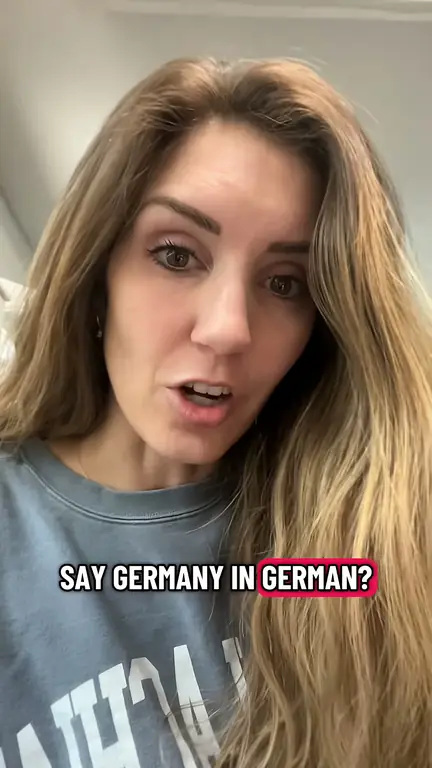 Learning German
- 26.9K likes
- 694 comments
- 3.9K shares
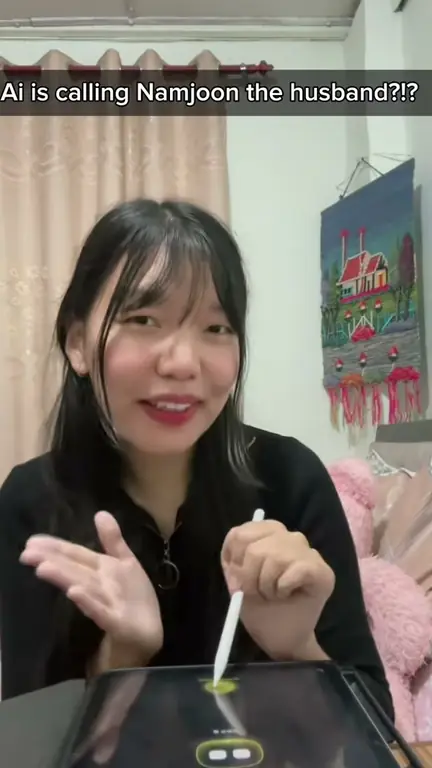 Learning Korean
- 9.3K likes
- 124 comments
- 912 shares
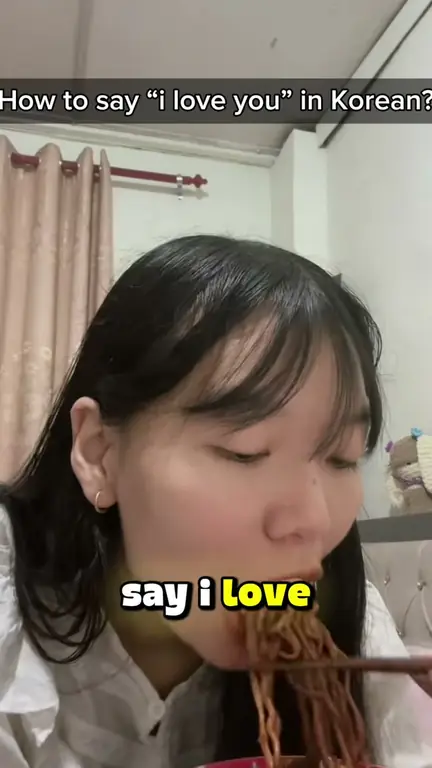 Learning Korean
- 3K likes
- 68 comments
- 412 shares
Papá, padre or papi?
Papá (dad) is what almost every Spanish speaker calls their own father. Padre (father) is for forms and serious talk, though everyday in Spain, and papi is for small kids and close family.
| Spanish | Meaning | Who says it |
|---|---|---|
| papá | dad | Everyone, every day |
| padre | father | Formal, or Spain |
| papi | daddy | Kids, close family |
| padres | parents | Mom and dad together |
| padrastro | stepfather | Family talk, forms |
| suegro | father-in-law | Married couples |
| papa | potato | Latin America |
Talking about your dad
Lucía asks about your family over coffee. Tell her what your dad does and where he lives.
What to say to your dad
Lines for calls, cards and Father's Day, which most of Latin America celebrates in June and Spain on March 19.
- polite¡Feliz Día del Padre!Happy Father's Day!
Día del Padre uses padre, even though everyone says papá at home.
- casualTe quiero, papá.I love you, Dad.
Natural everywhere. Many Latin American families also say te amo, papá.
- casualEres el mejor papá del mundo.You're the best dad in the world.
A classic for cards and messages.
- casualGracias por todo, papá.Thanks for everything, Dad.
Simple and heartfelt.
- politeMi papá se llama Carlos.My dad's name is Carlos.
Se llama is how Spanish says someone's name is.
- casual¿Cómo está tu papá?How is your dad?
To someone you call tú. With usted: ¿Cómo está su papá?
Pick the best reply
Mateo says three things. Say each reply out loud, then pick the one that fits. Every reply is correct Spanish; some just don't fit the moment.
How to pronounce papá
Spanish papá (dad) is said pah-PAH, with the stress on the last syllable, as the accent mark shows. Say PAH-pah instead and you get papa, which means potato in Latin America.
Stress the end: pah-PAH
The accent mark puts the stress on the last syllable. Say PAH-pah and you've said papa, which means potato in Latin America and Pope as el Papa.
Keep both a sounds short
Each a is a short, open ah, like in father. Don't stretch the first one or turn it into the a in cat.
Padres means parents
Mis padres means my mom and dad. To talk about several fathers, context makes it clear, as in el Día del Padre.
Papá in Latin America, padre in Spain
In Latin America adults say mi papá in everyday talk. In Spain mi padre is just as common and doesn't sound stiff.
Say it out loud with a Spanish tutor
Lifelike AI tutors play the other person and correct you as you speak. Pick one to start.
 Sofianatural correctionPractice with Sofia
 Luciafluency-drivenPractice with Lucia
 Valeriascenario-ledPractice with Valeria
 Albarhythm-awarePractice with Alba
 Carmenconversation-firstPractice with Carmen
 Claratravel-focusedPractice with Clara
 Martaculture-richPractice with Marta
 Elenaconfidence-buildingPractice with Elena
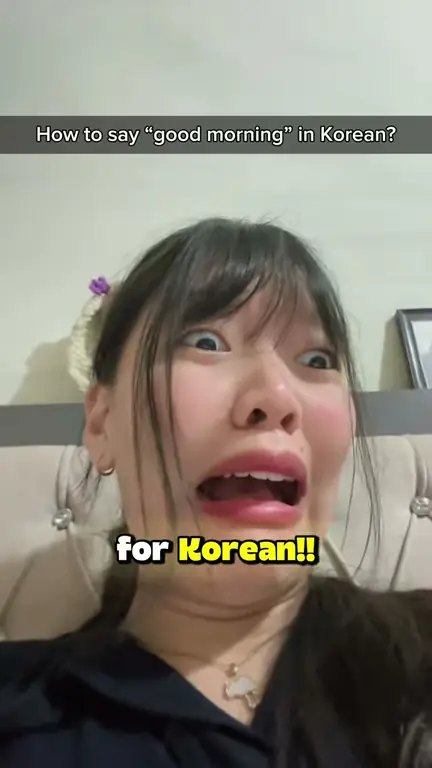 @wallakpu.slowly.fluent
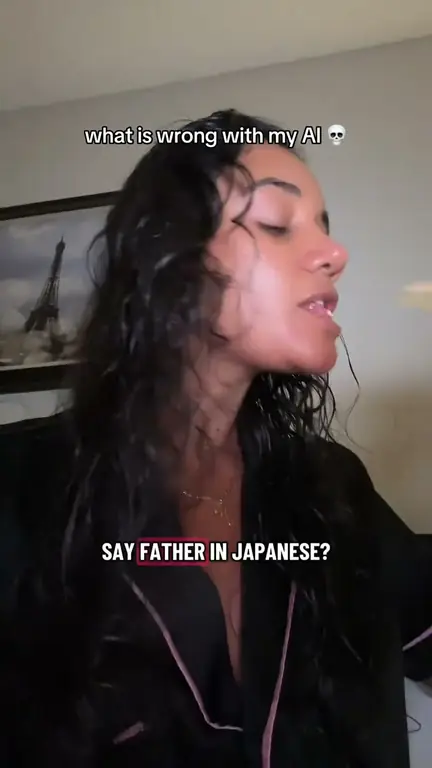 @learningwith.michelle
Questions learners ask
How do you say dad in Spanish?
Dad is papá, said pah-PAH. My dad is mi papá, and the more formal father is padre.
What is the difference between papá and padre?
Papá is dad, the warm everyday word. Padre is father, used in forms, speeches and set phrases like Día del Padre, and in everyday speech in Spain.
Why does papá have an accent?
The accent puts the stress on the last syllable. Without it, papa means potato in Latin America, and el Papa is the Pope.
What does papi mean in Spanish?
Papi is a loving word for dad, like daddy. Between adults it can also be a flirty way to call a man, so the meaning depends on who says it.
How do you say Happy Father's Day in Spanish?
Say ¡Feliz Día del Padre! Mexico and most of Latin America celebrate on the third Sunday in June, and Spain on March 19.
How do you say mom and dad in Spanish?
Mom is mamá and dad is papá, both stressed on the last syllable. Together they're mis papás or mis padres, my parents. More family words are on family in Spanish.
How do you say stepdad or father-in-law in Spanish?
Stepfather is padrastro and father-in-law is suegro. Many people simply call a stepdad by his name or papá.
How can I practice talking about my family in Spanish?
Describe your dad out loud: his name, his job, where he lives. A Tooter AI tutor can ask you about your family and correct your grammar and pronunciation as you answer.
Talk about your papá with a tutor.
Answer a few quick questions, then practice out loud with a tutor.
By the Tooter Editorial Team. Updated November 15, 2026. Tooter tutors are AI characters, not human teachers.