 Tooter
What does konnichiwa mean?
Konnichiwa (こんにちは) means hello or good afternoon in Japanese. Literally it means "as for today". It is used during the day, roughly late morning to early evening, mostly with people outside your family and workplace.
Practice it with a tutor Learning Japanese
- 43 likes
- 2 comments
- 9 shares
 Learning French
- 112.3K likes
- 1.4K comments
- 128.7K shares
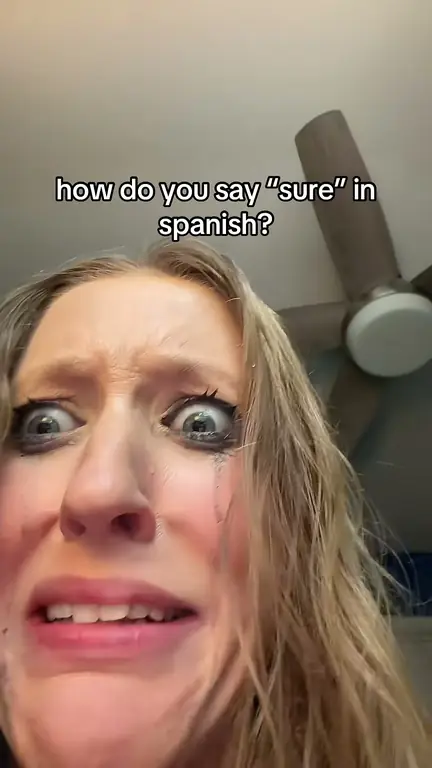 Learning Spanish
- 102.8K likes
- 737 comments
- 22.9K shares
Where will you say hello?
Pick one to start your plan. It takes about a minute.
What konnichiwa means
- Hello, good afternoon: こんにちは (konnichiwa)
こんにちは comes from 今日は (konnichi wa), "as for today". It is the start of longer old greetings, along the lines of "As for today, how are you feeling?" Over time, people dropped everything after the first words, and the opening alone became hello.
That history explains the spelling. The last kana is は, the topic particle, which is pronounced wa. That is why it is written こんにちは and not こんにちわ, though you will see the second spelling in casual texts. In English it is often misspelled konichiwa, with one n. The correct romanization has two: konnichiwa.
Japanese people do say konnichiwa, but less often than English speakers say hello. It sounds polite and a little distant, so it fits neighbors, shop owners, people you meet and TV hosts, more than family or coworkers. For the other ways to greet people, see hello in Japanese.
Learners film their Tooter practice
Real videos from Tooter creators practicing with their tutor. Public TikTok counts, October 26, 2026.
 Learning Korean
- 95.6K likes
- 1.5K comments
- 20.1K shares
 Learning German
- 26.9K likes
- 694 comments
- 3.9K shares
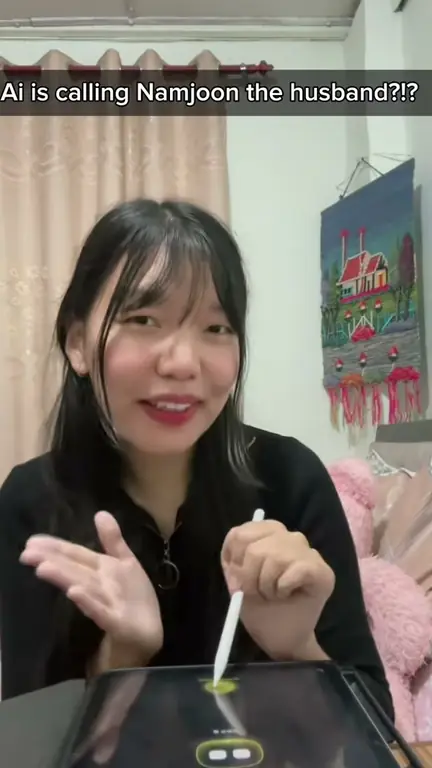 Learning Korean
- 9.3K likes
- 124 comments
- 912 shares
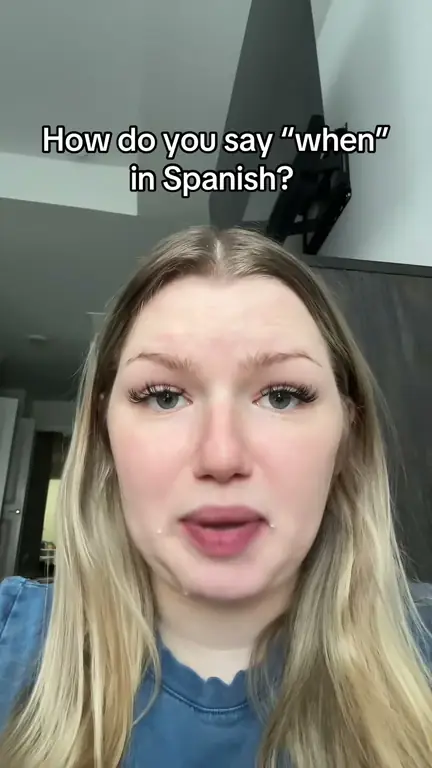 Learning Spanish
- 1.5K likes
- 31 comments
- 526 shares
 Learning Korean
- 3K likes
- 68 comments
- 412 shares
 Learning Korean
- 3.2K likes
- 44 comments
- 367 shares
How to use konnichiwa
With a small nod, to a neighbor or someone you meet.
Opening a class, a talk or a video.
Classic small talk with a neighbor.
When (not) to say konnichiwa
Not with family
Families say おはよう in the morning and ただいま (tadaima, "I'm home") when coming back. Konnichiwa would sound strangely formal at home.
Not with coworkers you see daily
At work, people greet each other with おはようございます in the morning and お疲れ様です (otsukaresama desu) later in the day.
Not in the morning or at night
Before about 10 or 11 in the morning, use おはようございます (ohayō gozaimasu, often searched as ohayo). After dark, switch to こんばんは (konbanwa).
There is no konnichiwa gozaimasu
ございます attaches to おはよう and ありがとう, but never to こんにちは or こんばんは. A Tooter AI tutor will catch slips like this as you speak.
Japanese greetings by time of day
Konnichiwa covers the middle of the day. These are the greetings on either side of it.
| Japanese | Romaji | Meaning | When |
|---|---|---|---|
| おはようございます | ohayō gozaimasu | Good morning | Until about 10 or 11 |
| こんにちは | konnichiwa | Hello | Daytime |
| こんばんは | konbanwa | Good evening | After dark |
| おやすみなさい | oyasuminasai | Good night | Before bed |
| もしもし | moshi moshi | Hello? (phone) | Phone calls |
Pick the best reply
Haruto greets you at three different times. Say each reply out loud, then pick the one that fits. Every reply is correct Japanese; some just don't fit the moment.
Say it out loud with a Japanese tutor
Lifelike AI tutors play the other person and correct you as you speak. Pick one to start.
 Yukirhythm-awarePractice with Yuki
 Hanaconversation-firstPractice with Hana
 Aikotravel-focusedPractice with Aiko
 Meiculture-richPractice with Mei
 Sakuraconfidence-buildingPractice with Sakura
 Rinnatural correctionPractice with Rin
 Emifluency-drivenPractice with Emi
 Haruculture-richPractice with Haru
 @brittslowlyfluent
 @learningwith.emma
Questions learners ask
What is the literal meaning of konnichiwa?
It means "as for today". こんにち (konnichi) is a formal reading of 今日, today, and は (wa) is the topic particle, left over from a longer greeting about how you are today.
Do Japanese people really say konnichiwa?
Yes, but mostly with people outside their inner circle, like neighbors, shop staff and people they meet. With family and coworkers they use other greetings, such as おはよう or お疲れ様です.
Is it konichiwa or konnichiwa?
Konnichiwa, with a double n, is correct. In Japanese it is written こんにちは. Konichiwa is a common misspelling in English.
Why is konnichiwa written with は and not わ?
The last kana is the topic particle は, which is pronounced wa. That is why the standard spelling is こんにちは. こんにちわ appears in casual texts but is considered a misspelling.
How do you reply to konnichiwa?
Say こんにちは back, with a small nod or smile. There is no separate reply phrase.
Can you say konnichiwa in the morning or at night?
Not usually. In the morning say おはようございます, and after dark say こんばんは. Konnichiwa fits from about late morning until it gets dark.
How do you use gozaimasu?
ございます (gozaimasu) makes some set phrases polite: おはようございます (good morning) and ありがとうございます (thank you). It is never added to こんにちは or こんばんは.
What does moshi moshi mean in Japanese?
もしもし (moshi moshi) is the hello used on the phone. It comes from 申す (mōsu), a humble word for "to say". It is not used face to face.
Say こんにちは to a tutor today.
Answer a few quick questions, then practice out loud with a tutor.
By the Tooter Editorial Team. Updated November 15, 2026. Tooter tutors are AI characters, not human teachers. Romanization follows Hepburn romanization.