 Tooter
How to say happy new year in Spanish
Happy new year in Spanish is ¡feliz año nuevo! (feh-LEES AH-nyoh NWEH-voh). Friends often shorten it to ¡feliz año! and cards say ¡próspero año nuevo! Spell año with ñ: without the tilde, ano means something else entirely.
Practice it with a tutor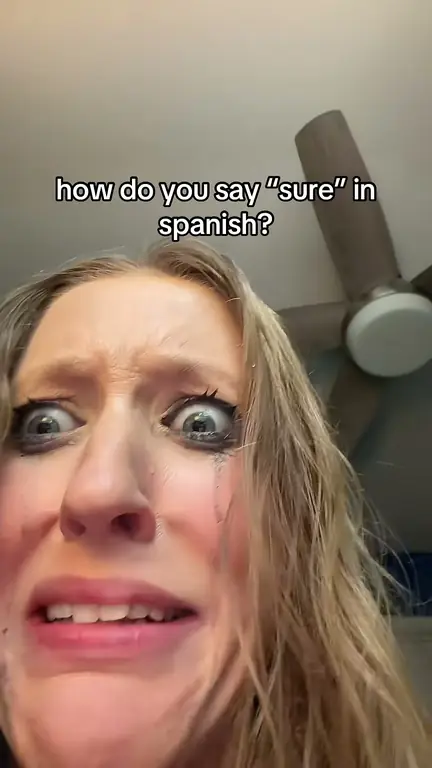 Learning Spanish
- 102.8K likes
- 737 comments
- 22.9K shares
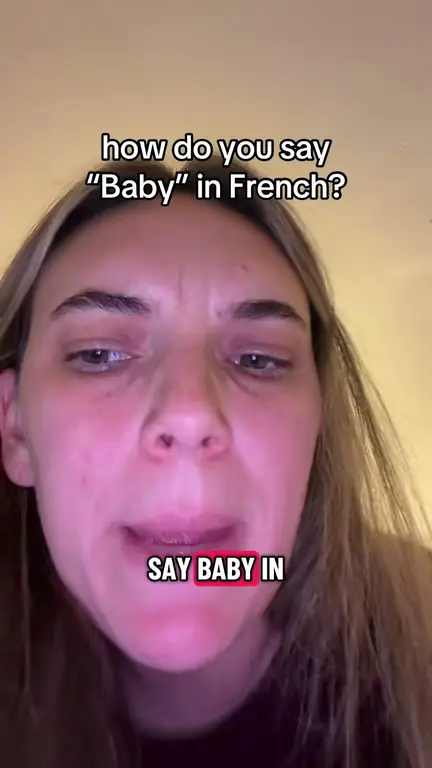 Learning French
- 112.3K likes
- 1.4K comments
- 128.7K shares
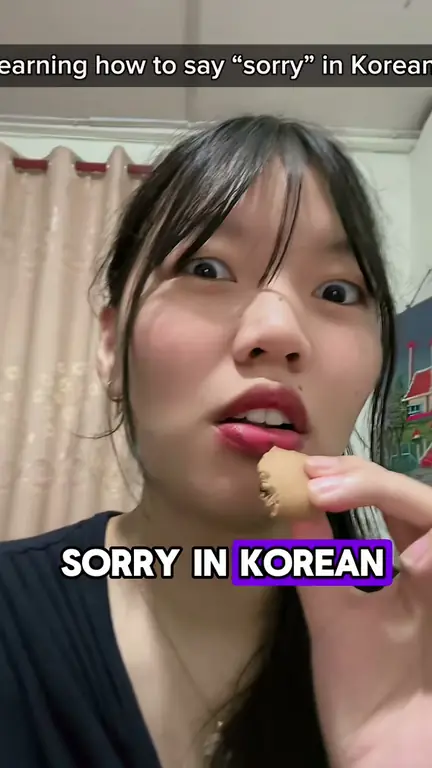 Learning Korean
- 95.6K likes
- 1.5K comments
- 20.1K shares
Who will you wish a happy new year?
Pick one to start your plan. It takes about a minute.
Every way to say happy new year
¡Feliz año nuevo! works with anyone. The others suit cards, messages or the last days of December.
The standard wish, with anyone, at midnight or in the first days of January.
The short version you'll hear most at midnight.
Common on cards. The song Feliz Navidad sings próspero año.
The classic line for holiday cards and work emails.
Covers Christmas and New Year at once.
A fuller wish for a message. With usted: le deseo.
Said in the last days of December, especially in Latin America.
A warm wish for friends. With usted: que tenga.
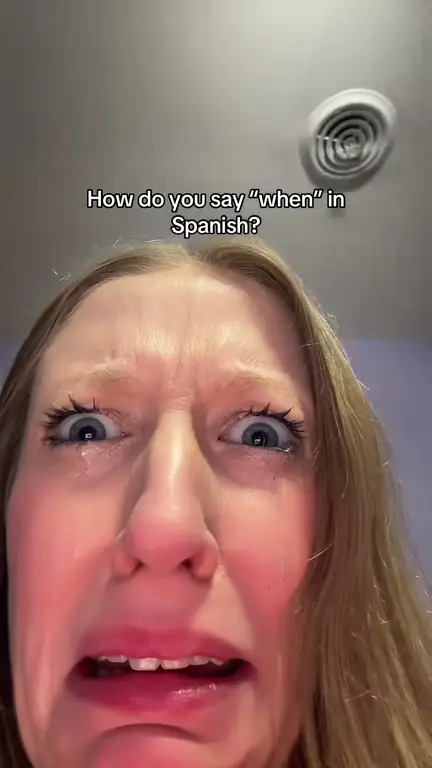
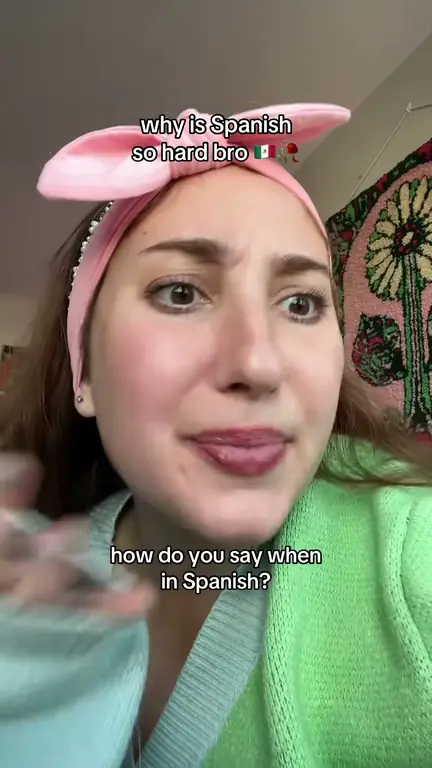
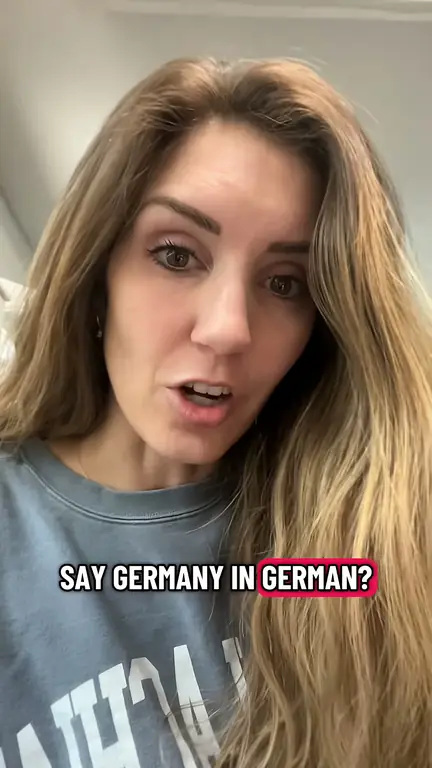
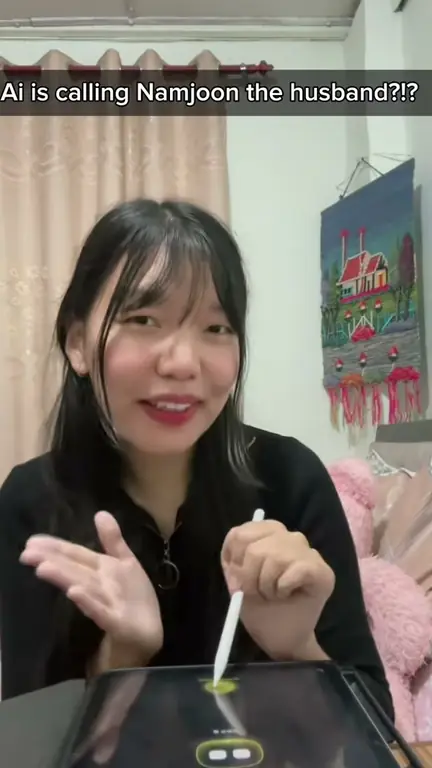
Learners film their Tooter practice
Real videos from Tooter creators practicing with their tutor. Public TikTok counts, October 26, 2026.
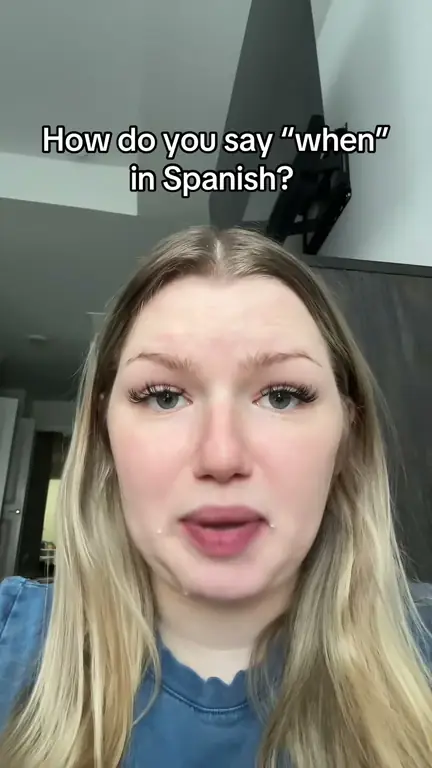 Learning Spanish
- 1.5K likes
- 31 comments
- 526 shares
 Learning Spanish
- 777 likes
- 26 comments
- 201 shares
 Learning Spanish
- 374 likes
- 10 comments
- 49 shares
 Learning German
- 26.9K likes
- 694 comments
- 3.9K shares
 Learning Korean
- 9.3K likes
- 124 comments
- 912 shares
 Learning Korean
- 3K likes
- 68 comments
- 412 shares
New Year words in Spanish
Año nuevo is the new year itself. These are the names for the night and the day.
| Spanish | Meaning | Note |
|---|---|---|
| Año Nuevo | New Year's Day | January 1 |
| Nochevieja | New Year's Eve | Mainly Spain |
| Fin de año | New Year's Eve | Common in Latin America |
| Año Viejo | The old year | Also an effigy, burned |
| Las doce uvas | The twelve grapes | One per stroke |
| Propósitos de año nuevo | Resolutions | Hacer propósitos |
Midnight on New Year's Eve
The countdown just ended at a friend's house. Wish everyone a happy new year.
How to answer a new year wish
These are the replies and toasts you'll hear around midnight.
- polite¡Igualmente!Same to you!
The quickest reply to any wish.
- casual¡Feliz año para ti también!Happy new year to you too!
With usted: para usted también.
- casual¡Salud!Cheers!
The toast when glasses go up at midnight.
- polite¡Que este año sea mejor!May this year be better!
A common wish after a hard year.
- polite¡Gracias, igualmente!Thanks, you too!
Works for messages and for wishes from strangers.
Pick the best reply
Say each reply out loud, then pick the one that fits. Every reply is correct Spanish; some just don't fit the moment.
How to say feliz año nuevo
Ñ is its own sound
Año is AH-nyoh, with the ny of canyon. Write the tilde too: ano, without it, means anus, a classic and very visible mistake on cards.
Blend the words
Native speakers link feliz and año into one flow: feh-lee-SAH-nyoh. In most of Latin America the z in feliz sounds like s.
Capital letters
In a wish, año nuevo is lowercase: ¡feliz año nuevo! The holiday itself, Año Nuevo on January 1, takes capitals.
Know the traditions
In Spain and many Latin American countries, people eat twelve grapes at midnight, one for each stroke of the clock. In Colombia and Ecuador, families burn an Año Viejo, a doll that stands for the old year.
Say it out loud with a Spanish tutor
Lifelike AI tutors play the other person and correct you as you speak. Pick one to start.
 Sofianatural correctionPractice with Sofia
 Luciafluency-drivenPractice with Lucia
 Valeriascenario-ledPractice with Valeria
 Albarhythm-awarePractice with Alba
 Carmenconversation-firstPractice with Carmen
 Claratravel-focusedPractice with Clara
 Martaculture-richPractice with Marta
 Elenaconfidence-buildingPractice with Elena
 @wallakpu.slowly.fluent
 @learningwith.michelle
Questions learners ask
How do you say happy new year in Spanish?
Say ¡feliz año nuevo! (feh-LEES AH-nyoh NWEH-voh). At midnight, most people just shout ¡feliz año!
How do you reply to feliz año nuevo?
Say ¡igualmente! (same to you) or ¡feliz año para ti también! (happy new year to you too). Repeating ¡feliz año! with a hug is also normal.
Why does año need the ñ?
Año with ñ means year. Ano, without the tilde, means anus. If your keyboard has no ñ, hold down the n key on a phone to find it.
What does próspero año nuevo mean?
It means prosperous new year. It's a slightly formal wish, common on cards and often paired with feliz Navidad. The song Feliz Navidad uses the short form, próspero año.
How do you say New Year's Eve in Spanish?
In Spain it's Nochevieja. In much of Latin America people say fin de año or la noche de Año Nuevo. New Year's Day is Año Nuevo.
What are the twelve grapes?
Las doce uvas is a tradition from Spain, now common in many Latin American countries: you eat one grape with each of the twelve strokes of midnight, one for each month, for luck.
How do you say happy new year in a formal message?
Write le deseo un feliz año nuevo (I wish you a happy new year) or les deseamos un próspero año nuevo from a company. For colleagues, ¡felices fiestas! covers the whole season.
How can I practice New Year wishes in Spanish?
Say the wishes and replies out loud until they come without thinking. A Tooter AI tutor can play a friend at a New Year's party and correct you as you speak. For birthdays, see how to say happy birthday in Spanish.
Say ¡feliz año nuevo! out loud.
Answer a few quick questions, then practice out loud with a tutor.
By the Tooter Editorial Team. Updated November 11, 2026. Tooter tutors are AI characters, not human teachers.