 Tooter
What does ¿qué pasa? mean?
¿Qué pasa? means what's happening? in Spanish. Among friends it's a casual what's up?, and said with concern it means what's wrong? A simple reply is nada, ¿y tú? (nothing, and you?).
Practice it with a tutor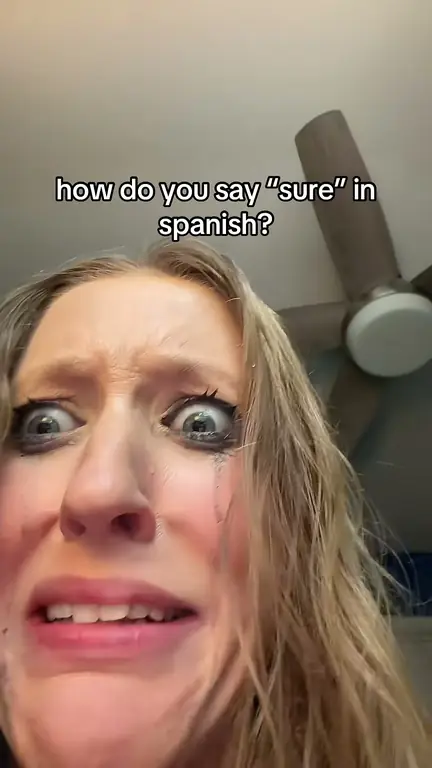 Learning Spanish
- 102.8K likes
- 737 comments
- 22.9K shares
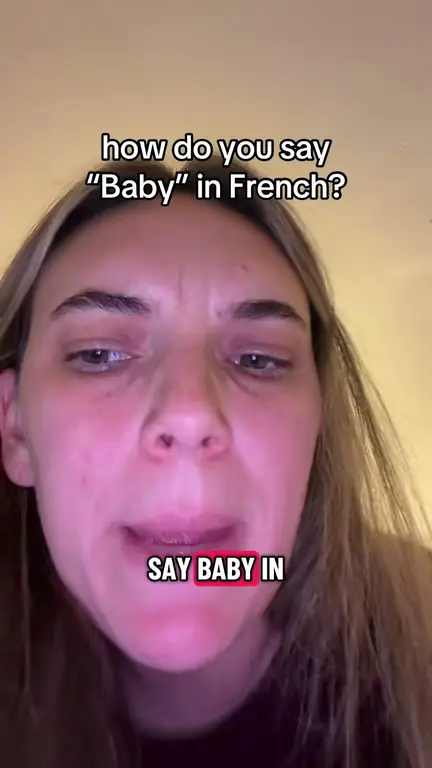 Learning French
- 112.3K likes
- 1.4K comments
- 128.7K shares
 Learning Korean
- 95.6K likes
- 1.5K comments
- 20.1K shares
Where will you chat in Spanish?
Pick one to start your plan. It takes about a minute.

What qué pasa means
- What's happening? What's up?: ¿Qué pasa?
Qué means what and pasa comes from pasar, to happen. So ¿qué pasa? is literally what happens? or what's happening? Written correctly, qué has an accent mark and the question opens with ¿, though texts often skip both.
It has two main uses. As a casual greeting, especially in Spain, it means what's up?: ¡Hola! ¿Qué pasa? As a real question, it means what's going on? or what's wrong?. If a friend looks upset, ¿qué pasa? or ¿qué te pasa? (what's wrong with you?) shows concern.
In much of Latin America, ¿qué pasa? is used more often for what's going on? than as a hello. For what's up?, Mexicans tend to say ¿qué onda? or ¿qué pasó?, and many countries use ¿qué tal?. For the full set of greetings, see how are you in Spanish.
Learners film their Tooter practice
Real videos from Tooter creators practicing with their tutor. Public TikTok counts, October 26, 2026.
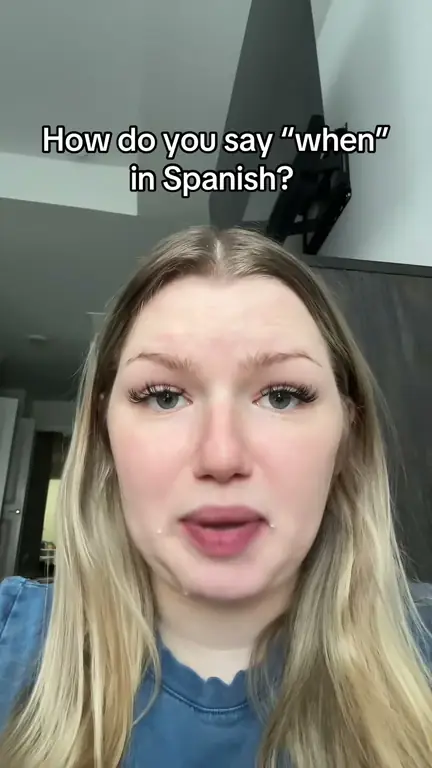 Learning Spanish
- 1.5K likes
- 31 comments
- 526 shares
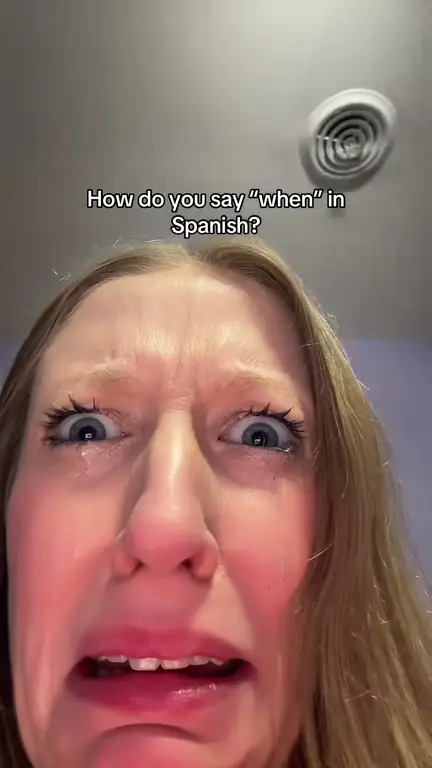 Learning Spanish
- 777 likes
- 26 comments
- 201 shares
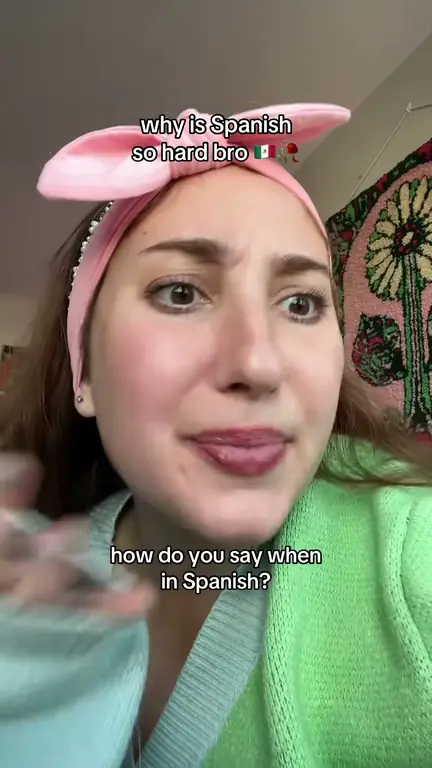 Learning Spanish
- 374 likes
- 10 comments
- 49 shares
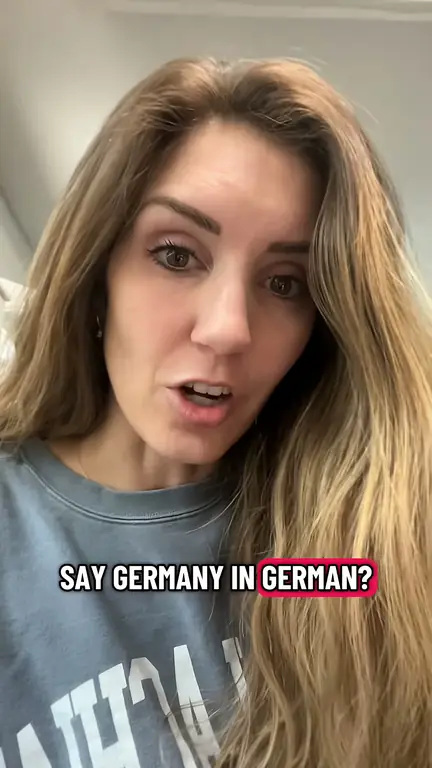 Learning German
- 26.9K likes
- 694 comments
- 3.9K shares
 Learning Korean
- 9.3K likes
- 124 comments
- 912 shares
 Learning Korean
- 3K likes
- 68 comments
- 412 shares
How to use qué pasa
Friendly greeting, very common in Spain.
Caring with a soft tone. Snapped, it means what's your problem?
In Mexico it can also be a casual greeting.
Le pasa for someone else, te pasa for you.
Both meanings in one chat
Your friend Mateo greets you with qué pasa, then notices you look tired.
How to answer, and when to use it
Answering the greeting
Keep it light: nada, ¿y tú? (nothing, and you?), aquí, todo bien (all good here) or nada especial (nothing special).
Answering the concern
If someone asks because you look upset, explain or reassure them: no pasa nada, estoy bien (it's nothing, I'm fine).
Watch the tone
A soft ¿qué te pasa? is caring. A sharp one sounds like a challenge. Your voice decides which.
Not for strangers
As a greeting it's casual. With a stranger, a boss or an older person, say buenos días or ¿cómo está? instead.
Ways to say what's up in Spanish
| Spanish | Meaning | Where |
|---|---|---|
| ¿Qué pasa? | What's up? What's wrong? | Hello mostly in Spain |
| ¿Qué tal? | How's it going? | Everywhere |
| ¿Qué onda? | What's up? | Mexico, Central America |
| ¿Qué pasó? | What's up? | Mexico, as a hello |
| ¿Quiubo? | What's up? | Colombia, Chile |
| ¿Qué más? | What's up? | Colombia |
Say it out loud with a Spanish tutor
Lifelike AI tutors play the other person and correct you as you speak. Pick one to start.
 Sofianatural correctionPractice with Sofia
 Luciafluency-drivenPractice with Lucia
 Valeriascenario-ledPractice with Valeria
 Albarhythm-awarePractice with Alba
 Carmenconversation-firstPractice with Carmen
 Claratravel-focusedPractice with Clara
 Martaculture-richPractice with Marta
 Elenaconfidence-buildingPractice with Elena
 @wallakpu.slowly.fluent
 @learningwith.michelle
Questions learners ask
What does qué pasa mean in slang?
As slang it means what's up?, a casual hello among friends. It's especially common in Spain.
What does qué te pasa mean?
¿Qué te pasa? means what's wrong with you? or what's the matter?. Said gently it shows concern; said sharply it sounds like what's your problem?
Do Mexicans say qué pasa?
Yes, but mostly to ask what's going on? or what's wrong?. As a greeting, Mexicans more often say ¿qué onda? or ¿qué pasó?.
How do you respond to ¿qué pasa?
If it's a greeting, say nada, ¿y tú? or todo bien. If someone is asking because something seems wrong, tell them, or say no pasa nada (it's nothing).
What is the difference between qué pasa and qué pasó?
¿Qué pasa? is present tense: what's happening? ¿Qué pasó? is past: what happened?, though in Mexico it's also a casual hello.
What does no pasa nada mean?
No pasa nada means it's fine or no worries, literally nothing happens. People say it after an apology or to calm someone down.
Is qué pasa Spanish or Italian?
It's Spanish. Italian speakers would say che succede? or che c'è?.
Is it rude to say qué pasa?
No, but it's casual. Use it with friends and people your age, and a polite ¿cómo está? with strangers. Tooter's Spanish tutors use greetings like these in role-plays so you can answer out loud.
Ask a tutor ¿qué pasa? today.
Answer a few quick questions, then practice out loud with a tutor.
By the Tooter Editorial Team. Updated November 20, 2026. Tooter tutors are AI characters, not human teachers.