 Tooter
What does senpai mean?
Senpai (先輩) means a senior: someone who joined the same school, club or company before you. A senpai guides you and you show them respect; the junior is a kōhai (後輩). In Japanese it has no romantic meaning, despite the "notice me, senpai" meme.
Practice it with a tutor Learning Japanese
- 43 likes
- 2 comments
- 9 shares
 Learning French
- 112.3K likes
- 1.4K comments
- 128.7K shares
 Learning Spanish
- 102.8K likes
- 737 comments
- 22.9K shares
Where do you need Japanese?
Pick one to start your plan. It takes about a minute.
What senpai means
- Senior: 先輩 (senpai)
先輩 (せんぱい, senpai) combines 先, "ahead" or "before", and 輩, "fellow" or "companion". So a senpai is a fellow who went ahead of you. It is about who joined first, not strictly about age: a younger person who started at a company or club before you usually still counts as your senpai.
The relationship runs both ways. A senpai gives advice, shows you how things work and often treats you to a meal. A kōhai (後輩, junior) speaks politely, helps out and shows respect. This pattern is strongest in school clubs, sports teams and traditional workplaces.
Outside Japan, the word became famous through anime and the meme "notice me, senpai", a joke about a junior hoping an admired older student will finally notice them. In Japan, though, senpai is an ordinary, everyday word with no romantic meaning. You may also see it spelled sempai, an older romanization of the same word.
Learners film their Tooter practice
Real videos from Tooter creators practicing with their tutor. Public TikTok counts, October 26, 2026.
 Learning Korean
- 95.6K likes
- 1.5K comments
- 20.1K shares
 Learning German
- 26.9K likes
- 694 comments
- 3.9K shares
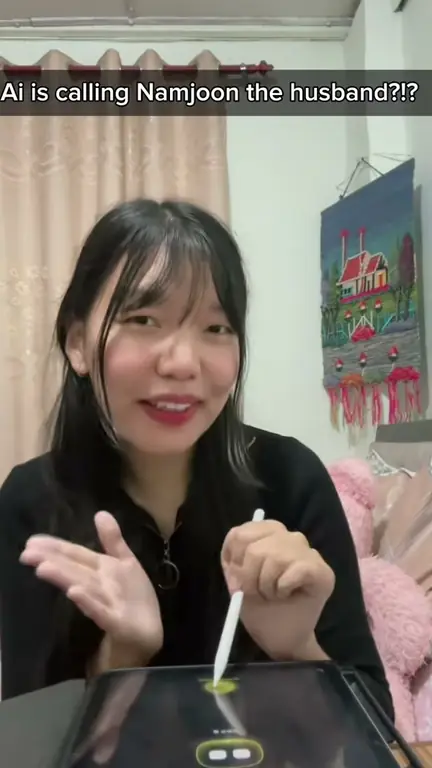 Learning Korean
- 9.3K likes
- 124 comments
- 912 shares
 Learning Spanish
- 1.5K likes
- 31 comments
- 526 shares
 Learning Korean
- 3K likes
- 68 comments
- 412 shares
 Learning Korean
- 3.2K likes
- 44 comments
- 367 shares
How to use senpai
Senpai works as a word ("my senior") and as a title after someone's name.
Used as a title, like -san, for a senior you know. Most common at school and in clubs.
Kōhai often call their senior just "senpai" instead of using a name.
The classic greeting from a junior to a senior after practice or during the workday.
He was a year or more ahead of you at the same school.
部活 (bukatsu) is a school club.
Reading: かのじょはわたしのこうはいです.
Who says senpai to whom
Juniors say it to seniors
A kōhai calls a senior "senpai" or "name + senpai". A senpai doesn't call a junior "kōhai" to their face; they use the name, often with -kun or -chan, or just the family name.
Use polite speech with it
Senpai goes with です and ます. Calling someone senpai and then speaking very casually sounds mismatched, unless the two of you are close.
It doesn't replace sensei
A teacher, doctor or instructor is 先生 (sensei), not senpai, and sensei works for any gender. Senpai is a senior peer on the same path as you, a step ahead.
At work, it's often -san instead
In many companies people address a senior coworker as name + -san, and managers by their title, like 部長 (buchō, department head). Senpai is still common for describing someone (会社の先輩, a senior at my company) and between coworkers who are close.
Senpai, kōhai, sensei and related words
| Japanese | Romanization | Meaning | Who it describes |
|---|---|---|---|
| 先輩 | senpai | Senior | Someone who joined your school, club or company before you |
| 後輩 | kōhai | Junior | Someone who joined after you |
| 同期 | dōki | Peer, same intake | Someone who started the same year as you, especially at a company |
| 先生 | sensei | Teacher, doctor, master | Someone who teaches or has expert standing; also used to address them |
| 教師 | kyōshi | Teacher (the job) | A teacher as a profession. You'd write it on a form, but you address a teacher as sensei |
| 上司 | jōshi | Boss, supervisor | Your manager at work |
Say it out loud with a Japanese tutor
Lifelike AI tutors play the other person and correct you as you speak. Pick one to start.
 Yukirhythm-awarePractice with Yuki
 Hanaconversation-firstPractice with Hana
 Aikotravel-focusedPractice with Aiko
 Meiculture-richPractice with Mei
 Sakuraconfidence-buildingPractice with Sakura
 Rinnatural correctionPractice with Rin
 Emifluency-drivenPractice with Emi
 Haruculture-richPractice with Haru
 @brittslowlyfluent
 @learningwith.emma
Questions learners ask
What is lower than senpai?
A kōhai (後輩, こうはい), a junior who joined the same school, club or company after you. Someone who started at the same time as you is a dōki (同期) at work, or a classmate in the same year at school.
What's higher, sensei or senpai?
Sensei (先生). A sensei is a teacher, doctor or expert and gets more formal respect. A senpai is a senior peer, someone a step ahead of you on the same path.
Does senpai mean crush, or is it flirty?
Not in Japanese. It is an everyday word for a senior at school or work. The romantic feeling comes from anime, where a younger student often has a crush on a senpai, and from the "notice me, senpai" meme in English-speaking fandoms.
Why do girls call boys senpai in anime?
Because the boy is an older student at their school or in their club, and that is simply what you call a senior. Anime often pairs that with a crush, which is how the word picked up a romantic feel outside Japan.
Can I call a girl senpai?
Yes. Senpai works for any gender. What matters is that she is ahead of you at the same school, club or workplace.
Does senpai mean daddy?
No. Senpai has no romantic or sexual meaning in Japanese; it only means someone senior to you in a shared group. Any other meaning comes from English-language internet jokes, and in Japan it would only confuse people.
Is it senpai or sempai?
Both spellings refer to 先輩. Senpai is the modern standard romanization. Sempai follows an older style that writes n as m before p, which matches how it actually sounds.
Can I call a Japanese coworker senpai?
You can refer to them as your senpai if they joined the company before you, but many workplaces address people as name + -san. When unsure, -san is always safe. Tooter's AI tutors can help you practice workplace Japanese like this out loud.
Practice polite Japanese with a tutor.
Answer a few quick questions, then practice out loud with a tutor.
Updated October 29, 2026. Tooter tutors are AI characters, not human teachers. Romanization follows Hepburn romanization.